
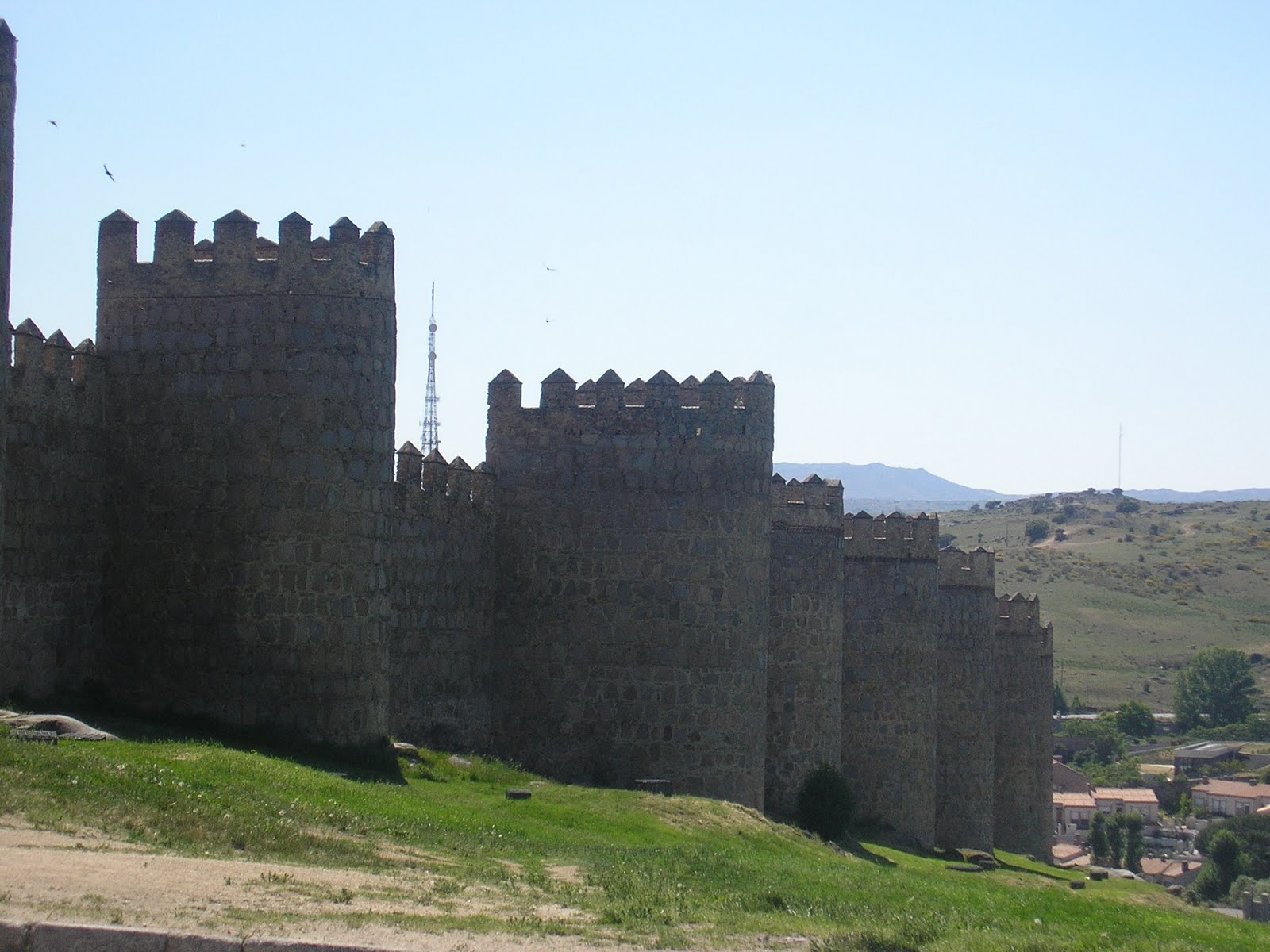

In the heart of Castile and León, the city of Ávila stands majestically, embraced by ancient walls that tell stories of past eras. Known as the "City of Stones and Saints", Ávila is a treasure of medieval architecture and spirituality, a place where every stone seems to whisper the deeds of those who inhabited it. Its privileged location, over 1,130 meters above sea level, makes it the highest provincial capital in Spain, while its historic center was declared a UNESCO World Heritage Site in 1985.

The imposing walls that surround the city, approximately 2,500 meters long, are among the best preserved in Europe and represent an extraordinary example of medieval engineering. These structures not only protect the city but also define its character, creating a unique atmosphere that attracts visitors from all over the world.
History and Origins
The origins of Ávila likely date back to Roman times, when the city, then known as Obila, began to develop through the assimilation of indigenous populations. Over the centuries, the city underwent the influence of various cultures that succeeded one another, from the Romans to the Visigoths, until the Muslim occupation and the subsequent Christian reconquest in the 11th century. This period marked the beginning of a significant process of urbanization and social development, creating a context in which local militias gained increasing importance.
The construction of the walls, which began in the 12th century, not only served to defend the city but also to mark the power and wealth of its inhabitants. These fortifications, with their towers and monumental gates, are a symbol of the resistance and determination of the people of Ávila, who have managed to preserve their heritage through the centuries.
Elements to Observe
The walls of Ávila, with their 88 towers and 9 gates, are undoubtedly the focal point of the city. Among the most famous gates, the Santa Teresa Gate and the Alcázar Gate offer access to a world of history and beauty. Walking along the rampart path, visitors can enjoy a panoramic view of the city and the surrounding countryside, an experience that beautifully combines history and nature.
Within the walls, the historic center is dotted with churches and monasteries, including the Ávila Cathedral, a masterpiece of Gothic architecture that represents the fusion of sacred and profane. Every corner of the city invites discovery, revealing architectural and historical details that enrich the visit.
Why It Is Interesting Today
Today, Ávila is not only a place of historical interest but also a vibrant city that celebrates its traditions through cultural and gastronomic events. Its reputation as the "City of Saints" is linked to figures like Saint Teresa of Ávila, whose life and works continue to inspire pilgrims and visitors. The city is a landmark for religious tourism, attracting those seeking spirituality and reflection.
Moreover, the hospitality of the locals and the local cuisine, characterized by typical dishes such as "chuletón" and "yemas de Santa Teresa", offer an authentic experience for those wishing to immerse themselves in Spanish culture. With every step, visitors can savor the blend of history and modernity that makes Ávila a unique place.
Practical Information for Visitors
For those wishing to visit Ávila, it is advisable to dedicate at least one day to exploring the city. The walls can be explored on foot, and many of the main attractions are easily accessible. The city is well connected to Madrid, making it an ideal destination for a day trip.
Additionally, it is useful to consult apps like Secret World, which can provide detailed information on places to visit and tips for an unforgettable experience. With its rich history and cultural heritage, Ávila is a destination that leaves an indelible mark on the heart of every traveler.


