
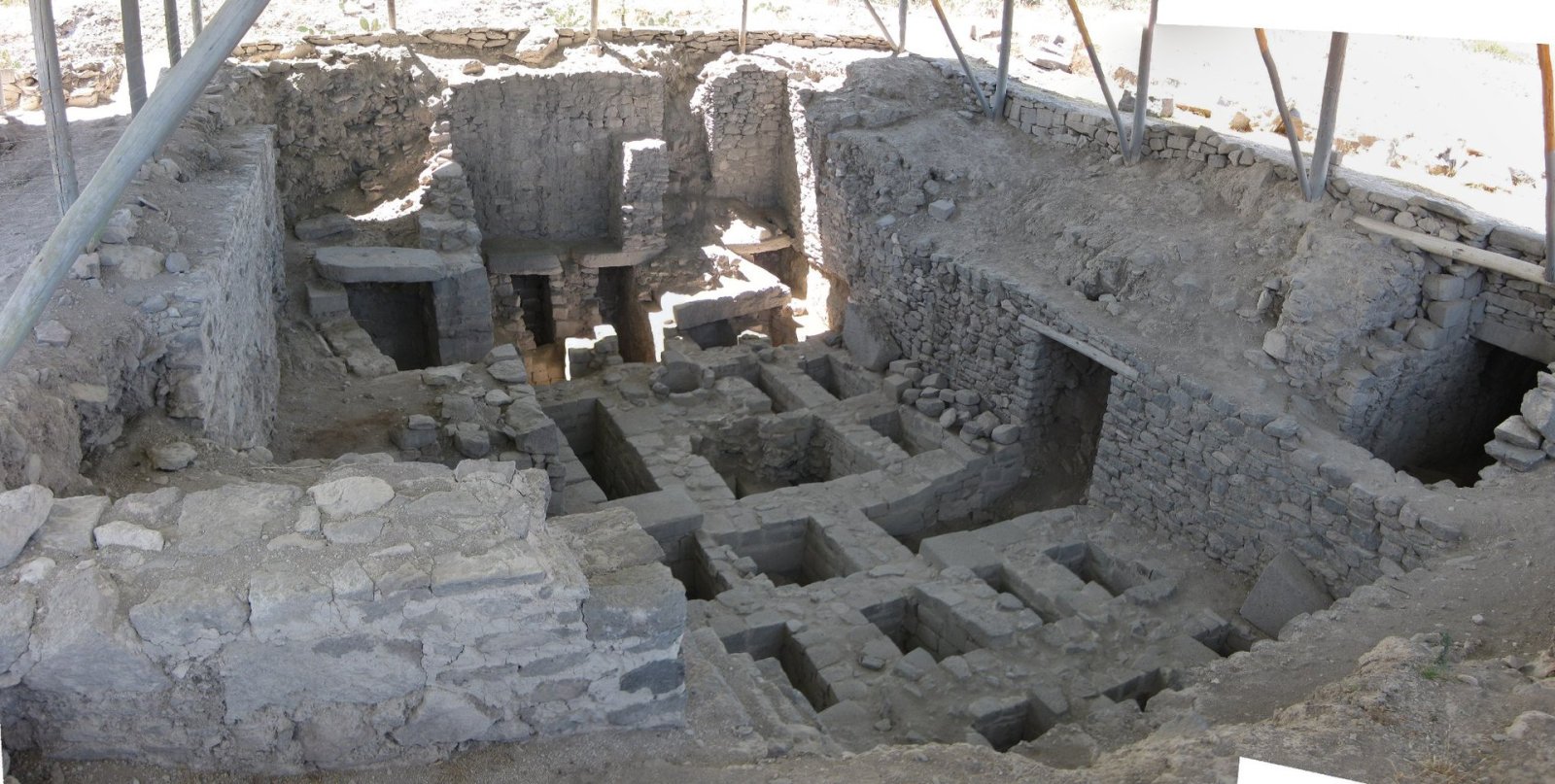

Located just a few kilometers from the vibrant city of Ayacucho, the Wari Archaeological Complex is an archaeological treasure that tells stories of a distant past, dating back to one of the most fascinating civilizations of Peru. This ancient capital of the Wari Empire, which flourished between 600 and 1000 AD, represents a fundamental landmark for understanding the cultural and historical roots of the Andean region. Spanning 2000 hectares, the site offers a deep immersion into the daily life and religious practices of a society that managed to unite diverse cultures under a single faith.
Wari, also known as Huari, was situated at an altitude between 2600 and 2900 meters and was inhabited by about 70,000 people from various traditions. This cultural melting pot gave rise to a new religion that was able to synthesize the beliefs of the various communities. Today, the site is an important testament to Peru's cultural heritage, recognized as an archaeological site of historical significance.
History and Origins
The origins of the Wari Archaeological Complex date back to the 4th century AD, but it was around 550 AD that the city reached its peak. During its height, Wari became a center of innovation and development, not only architecturally but also culturally. Archaeologists have discovered that the city was equipped with a complex network of roads and infrastructure that facilitated trade and communication between various Andean communities.
The Wari civilization is considered one of the greatest pre-Inca cultures, and its influence extended well beyond the borders of its capital. Starting from the 7th century, Wari began to expand its domain, influencing even the Peruvian coasts. However, around 1000 AD, the site was abandoned, leaving behind a legacy that continues to intrigue historians and visitors.
Elements to Observe
Visiting the Wari Archaeological Complex, one encounters a variety of architectural structures that demonstrate the skill of ancient builders. The constructions, made of stone and mud bricks, are characterized by vibrant colors, with shades of red and white adorning the walls. Among the points of greatest interest are the temples and public squares, which provide insight into the social and religious life of the inhabitants.
Another fascinating aspect of the site is its urban organization, which includes various residential areas and common spaces. Walking among the ruins, one can imagine the daily life of a population that, although ancient, has left a lasting mark on the history of Peru. Every corner of the site tells a story, making the visit an engaging and meaningful experience.
Why It Is Interesting Today
Today, the Wari Archaeological Complex is not only a place of interest for historians and archaeologists but also serves as an educational resource for the public. Its importance as a cultural heritage is recognized nationally, and the site attracts visitors from all over the world, eager to explore Peru's ancient history. Its privileged location, set in breathtaking scenery, contributes to making the visit a unique experience.
In an era where the enhancement of cultural heritage is essential, Wari offers the opportunity to reflect on the importance of preserving and sharing our history. The connection between ancient civilizations and the present is palpable, making the site a place of great fascination for anyone wishing to understand the roots of Andean culture.
Practical Information for Visitors
To visit the Wari Archaeological Complex, it is advisable to arrive from Ayacucho, which is about 22 km away. The road is well marked and easily navigable. You can explore the site independently or join guided tours that offer insights into the history and architecture of the place. Don't forget to bring water and sun protection, as the altitude may require extra attention.
Finally, for those who wish to deepen their knowledge about Wari culture and other aspects of Peruvian heritage, the Secret World app offers useful resources and detailed information to enrich your travel experience.


