
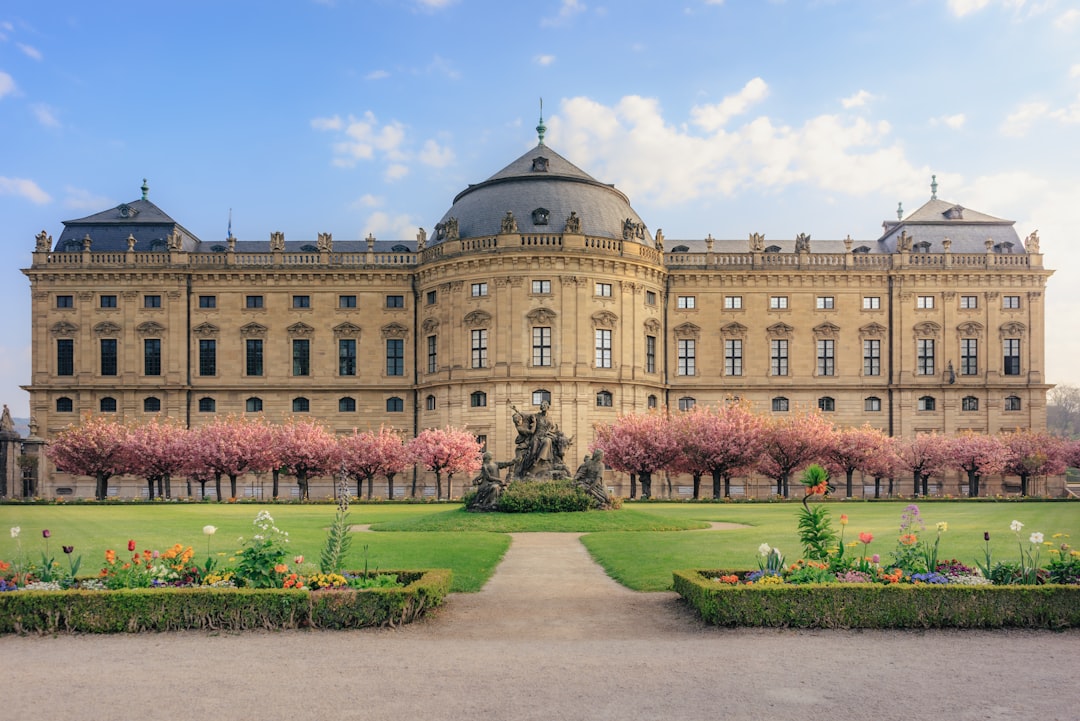

In the heart of Bavaria, the Würzburg Residence stands as a symbol of beauty and culture, attracting visitors from all over the world. This extraordinary palace, declared a UNESCO World Heritage Site, is a magnificent example of Baroque architecture and represents one of the most important works in Franconia. Immersed in a historical context rich in wine and artistic traditions, the Residence is not just a place to visit, but an experience to live.
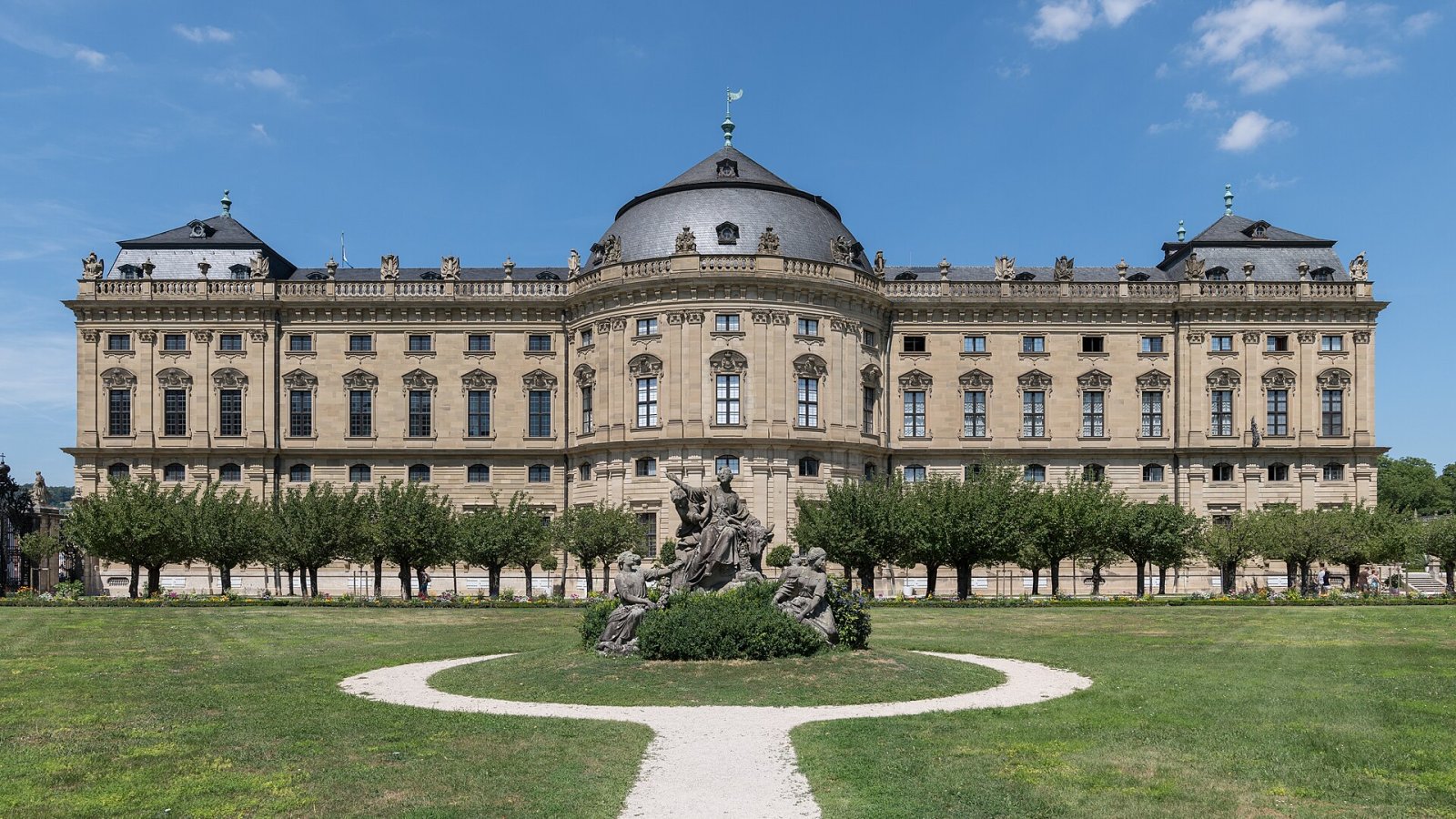
Würzburg, the city that hosts the Residence, is known for its fine wine and for being the starting point of the Romantic Road, one of the most scenic routes in Germany. The Residence, built in the 18th century, reflects the power and culture of the prince-bishops who ruled the region, offering a fascinating glimpse into local history.
Historical and Cultural Context
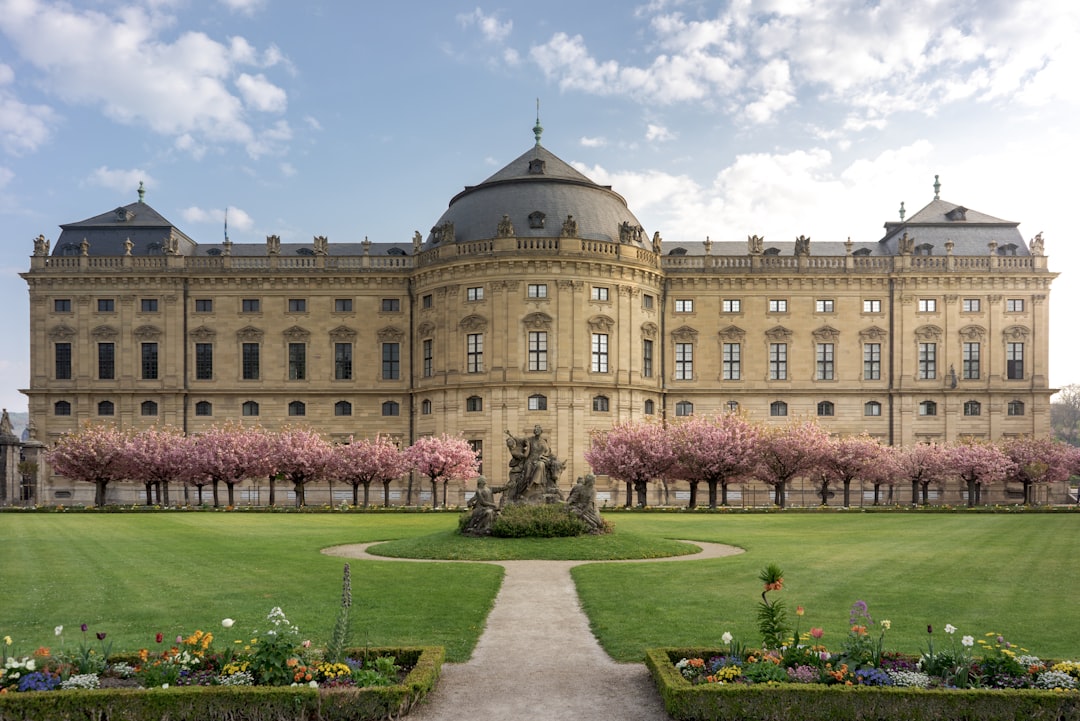
The Würzburg Residence was designed by renowned architects, including Balthasar Neumann, who skillfully combined innovative architectural elements with a deep artistic sensitivity. The palace features lavish interiors, including the famous staircase of honor and the ceiling hall frescoed by Giovanni Battista Tiepolo, which represents the triumph of faith. These elements not only testify to the artistic mastery of the era but also to the power and influence of the bishops of Würzburg.
The Residence is not just a palace, but a cultural center that has hosted numerous historical and artistic events. Its library, with its ancient and rare volumes, is a treasure for scholars and history enthusiasts. Moreover, the strategic location of Würzburg along the Main River has contributed to making it an important commercial and cultural hub, turning the city into a crossroads of ideas and influences over the centuries.
What Impresses About the Place
What immediately strikes the visitor to the Residence is its imposing facade, adorned with statues and decorations that tell stories of mythology and religion. Upon entering, one is welcomed by majestic spaces that convey a sense of grandeur and wonder. The ceiling hall, in particular, is a breathtaking work of art, with its frescoes that seem to come to life and narrate the story of creation and redemption.
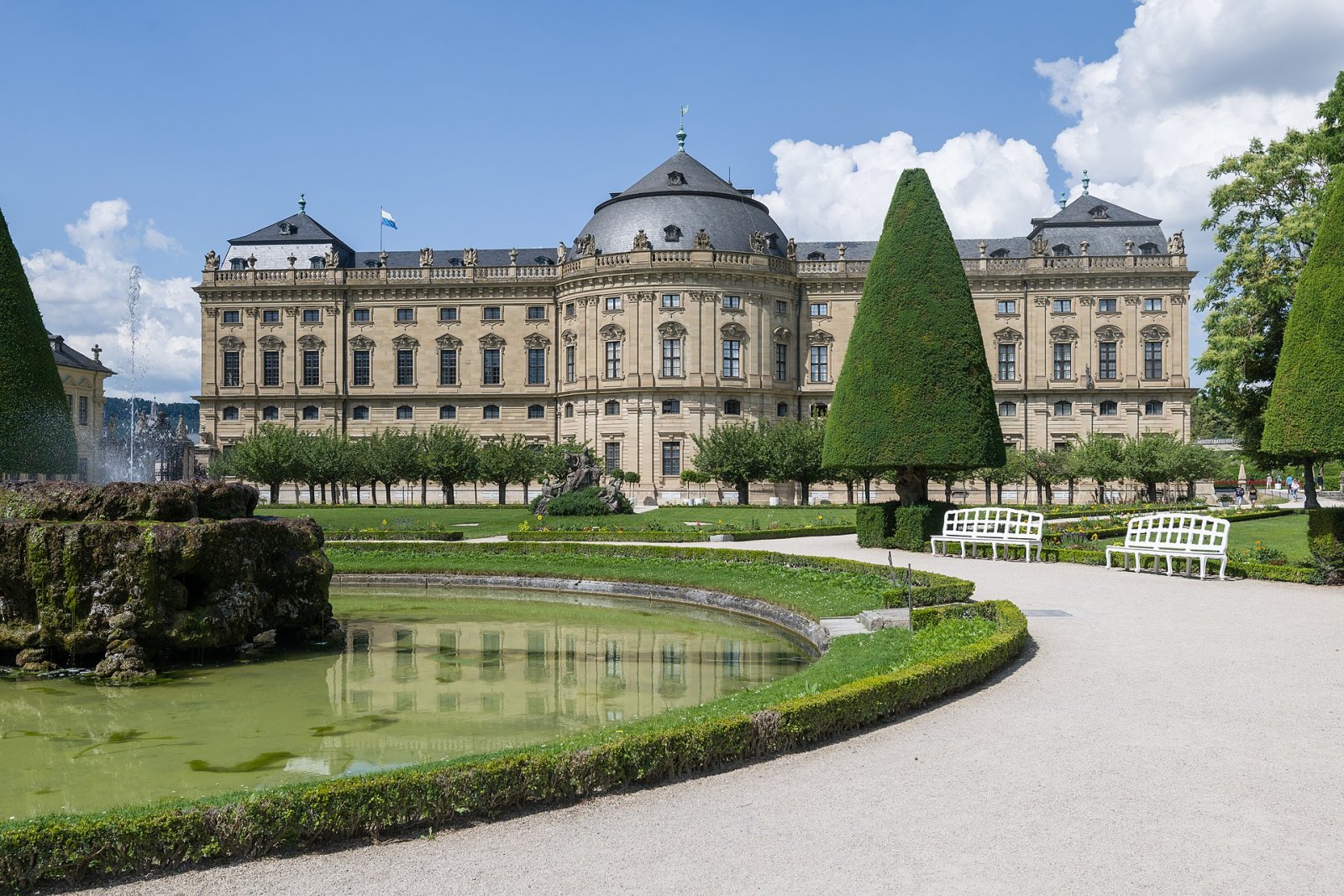
The beauty of the interiors is complemented by Italian gardens that surround the palace, offering a corner of tranquility and reflection. These meticulously maintained gardens are the ideal place for a stroll after visiting the interiors, allowing visitors to immerse themselves in the history and beauty of the site. The combination of art, architecture, and nature makes the Residence a complete sensory experience.
Visiting Experience
Visiting the Würzburg Residence is an experience that engages all the senses. Guided tours offer a unique opportunity to learn about the history of the palace and the people who inhabited it. Expert guides share fascinating anecdotes and details, making each visit a journey through time. It is advisable to book tickets in advance, especially during the peak tourist season, to avoid long waits.
Inside the palace, audio guides are available in several languages, allowing visitors to explore at their own pace and delve into information about each artwork and room. Don't forget to take some time in the gardens, where the beauty of the flowers and the scent of fresh grass create a relaxing and rejuvenating environment.
Practical Information for Visitors
The Würzburg Residence is easily accessible by public transport, thanks to its central location in the city. Opening hours vary depending on the season, so it is advisable to check the official website before visiting. Inside, there is a souvenir shop and a café, where you can enjoy some local specialties.
For those who wish to explore the city further, the Residence serves as an excellent starting point. Würzburg offers numerous other points of interest, including the Marienberg Fortress and St. Kilian Cathedral. In this context, the Secret World app can prove to be a useful tool for discovering more details and curiosities about the city and its wonders.


