
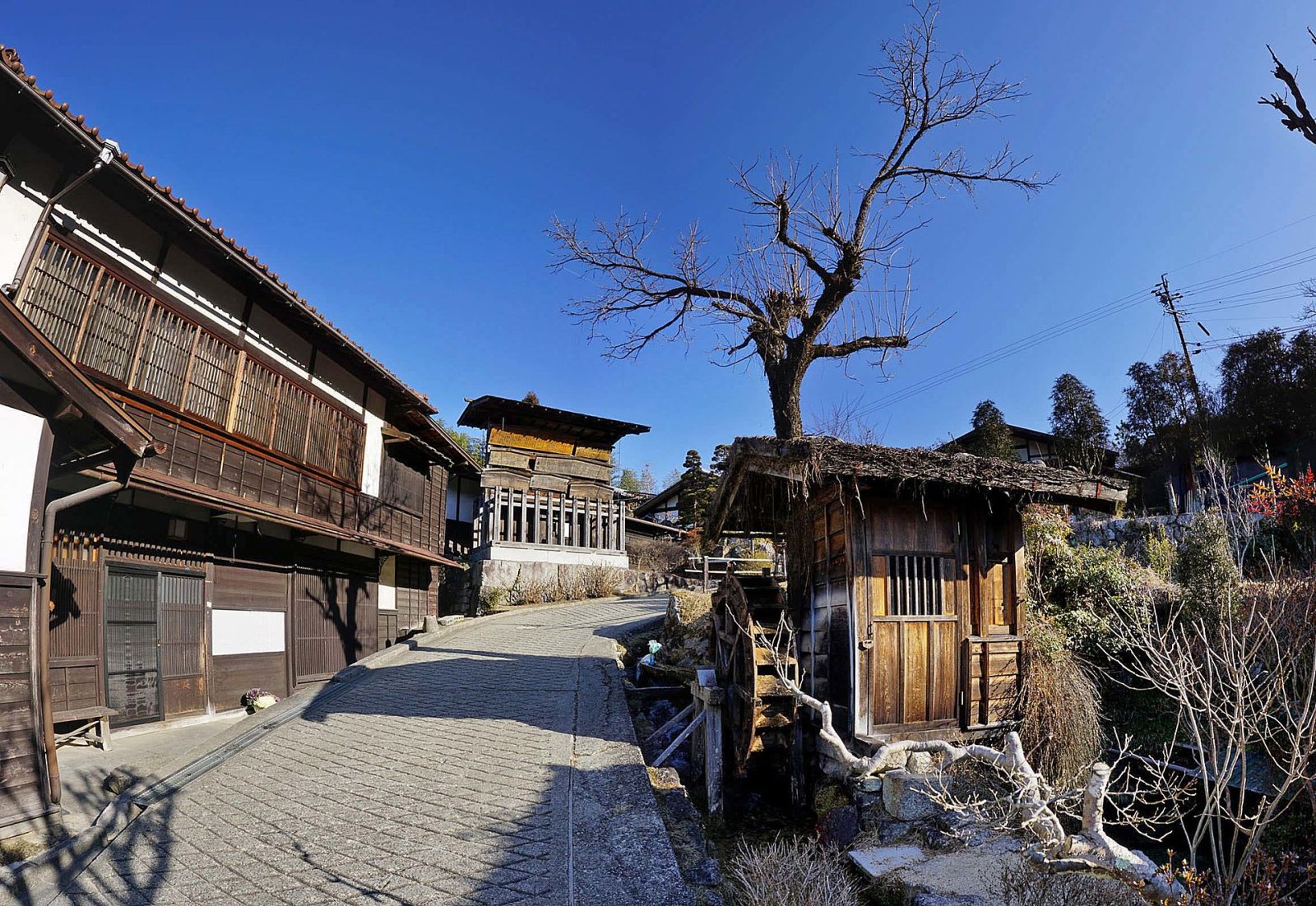

Nestled in the heart of the Chubu region, Tsumago Post Town is a charming village that tells the story of Japan through its streets and traditions. Located in the city of Nagiso, this place is a perfect example of how Japanese culture has managed to preserve its authenticity over the centuries. With its wooden houses, cobblestone paths, and serene atmosphere, Tsumago offers visitors a unique experience, away from the hustle and bustle of modern metropolises.
The history of Tsumago is closely linked to the Edo period, when the village served as a crucial stop along the Nakasendo route, one of the main communication paths between Kyoto and Edo (present-day Tokyo). Today, Tsumago is known not only for its scenic beauty but also for its commitment to the preservation and restoration of historical buildings, thus creating an atmosphere that seems to transport visitors back in time.
History and Origins
Tsumago has been an important resting point for travelers during the Edo period, with a history that dates back centuries. This village was designed to accommodate travelers, offering shelter and refreshment. The traditional houses, many of which have been restored, showcase the typical architecture of the time, with thatched roofs and wooden walls. The local community has worked tirelessly to keep the village's history alive, allowing visitors to immerse themselves in an authentic historical atmosphere.
In addition to its role as a stop for travelers, Tsumago also has an interesting connection to the figure of Karl Wenzeslaus Rodecker von Rotteck, a German political activist and historian. Although there are no direct links, his life and works reflect the fervor of an era when Japan was beginning to interact with the Western world. This historical context further enriches the visit to Tsumago, where the past and present intertwine in a fascinating way.


