
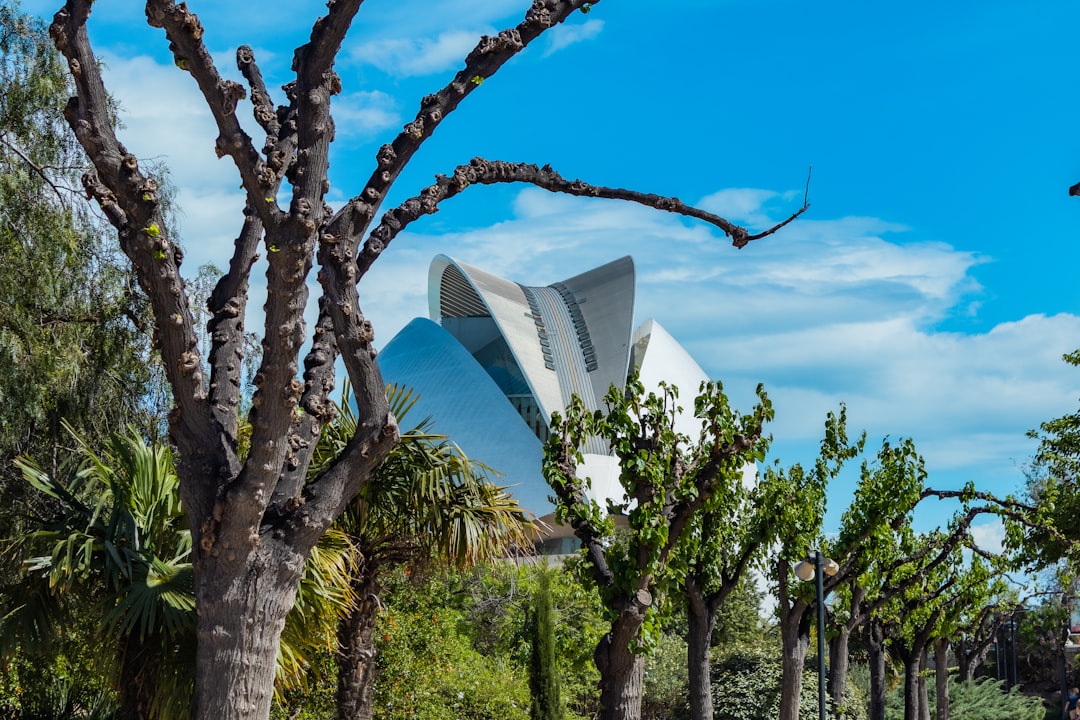

The City of Arts and Sciences is one of the most iconic and fascinating places in Valencia, Spain. This cultural and architectural complex, designed by the renowned architects Santiago Calatrava and Félix Candela, represents an extraordinary fusion of art, science, and innovation. Located at the southeast end of the Turia riverbed, now transformed into a park, the complex is a symbol of modernity and the city's rebirth after the devastating flood of 1957.

Inaugurated in 1998 with the opening of the Hemisférico, the City of Arts and Sciences quickly became Valencia's main tourist attraction, drawing visitors from around the world. Covering an area of over 350,000 square meters, this extraordinary architectural project consists of several structures, each offering a unique and engaging experience.
Historical and Cultural Context

The complex was conceived as part of a broader urban redevelopment plan aimed at transforming the former Turia riverbed into a cultural and recreational hub. The City of Arts and Sciences was designed to be a center of attraction for art and science, a goal that has been largely achieved over the years. In addition to representing an example of contemporary architecture, the complex is also a symbol of Valencian culture, embracing innovation and creativity.
Each structure within the complex tells a story and offers a unique perspective on scientific and artistic themes. The Palau de les Arts Reina Sofía, inaugurated in 2005, is a striking example of the city's dedication to music and performing arts, while the Oceanogràfic, the largest aquarium in Europe, emphasizes the importance of environmental conservation and biodiversity.
What Impresses About the Place
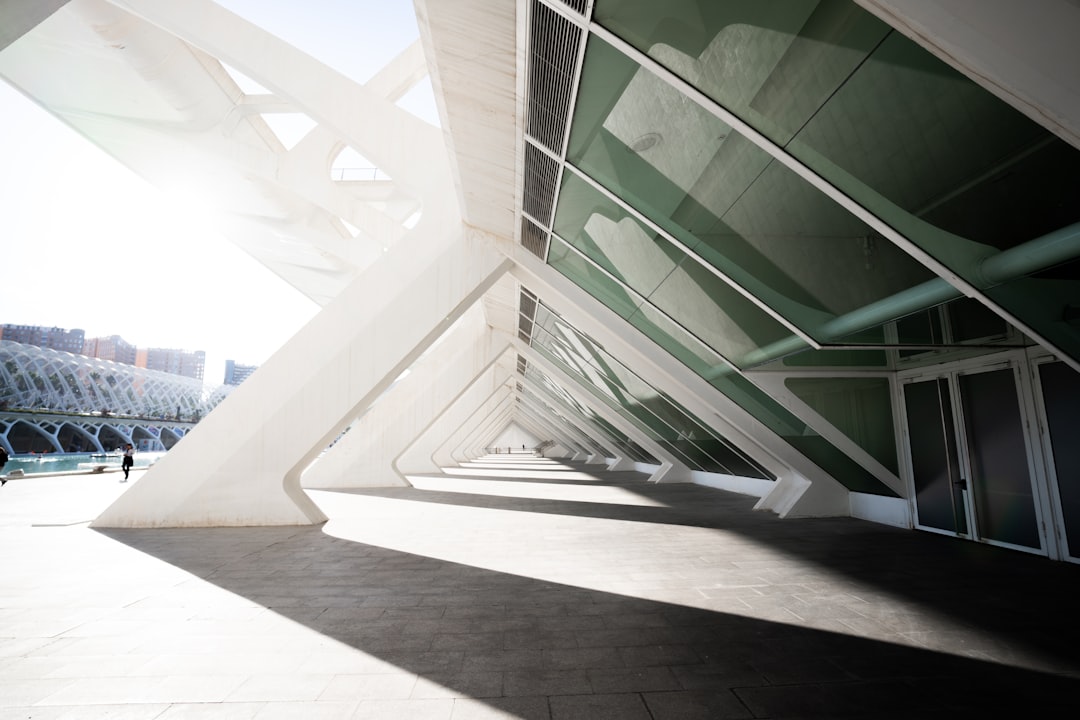
What immediately strikes visitors is the futuristic architecture of the structures, characterized by bold and innovative shapes. The Hemisférico, with its eye-like shape opening towards the sky, is not just an IMAX cinema but also a symbol of vision and discovery. The Àgora, the latest addition to the complex, is an event space that enchants with its aesthetics and functionality, representing a perfect balance between art and practical use.
Moreover, the surrounding landscape, with its gardens and fountains, creates a magical atmosphere that invites visitors to stroll and discover every corner of the complex. The combination of art, science, and nature makes the City of Arts and Sciences a place where every visit transforms into an unforgettable multisensory experience.
Visiting Experience
Visiting the City of Arts and Sciences is an experience that engages all the senses. Visitors can explore the various buildings, participate in interactive exhibits, and attend live performances. The Oceanogràfic offers the chance to closely observe a wide range of marine species, while the Prince Felipe Science Museum invites exploration of the world of science in a fun and engaging way.
It is advisable to plan your visit in advance and consider purchasing a combined ticket for access to multiple structures. Additionally, the complex is easily accessible by public transport, making the visit even more convenient. Don't forget to bring a camera; every corner of the City of Arts and Sciences offers extraordinary photographic opportunities.
Practical Information for Visitors
The City of Arts and Sciences is open year-round, but hours may vary depending on the season. It is advisable to check the official website for updated information on hours and prices. Within the complex, there are several restaurants and cafes where visitors can enjoy typical Valencian dishes and refresh themselves during their visit.
Finally, for those who wish to further enhance their experience, the Secret World app offers useful information and tips for exploring this extraordinary complex and its wonders. Whether it’s about art, science, or simply enjoying the architectural beauty, the City of Arts and Sciences is a place worth discovering.


