
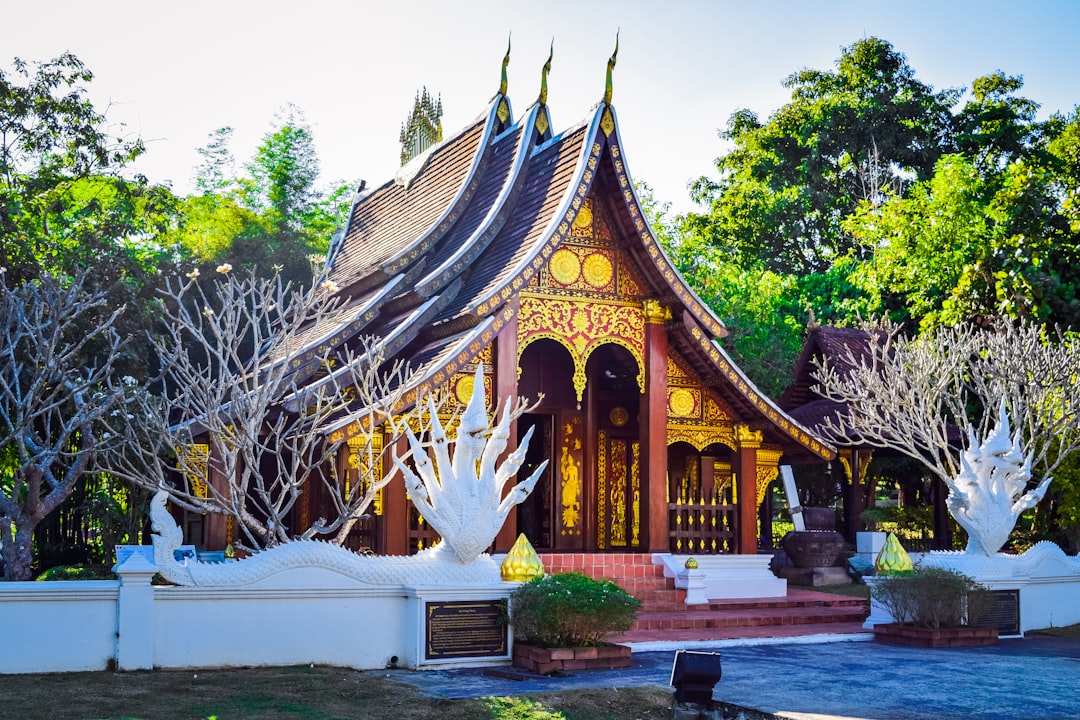

Diving into Thai culture also means discovering places rich in history and spirituality. Among these, Wat Wang Wiwekaram stands as a symbol of resilience and tradition, located in the Sangkhlaburi district of Kanchanaburi province. This temple, situated a short distance from the border with Myanmar, is an extraordinary example of how different cultures have intertwined over the years, creating a unique and fascinating place of worship.
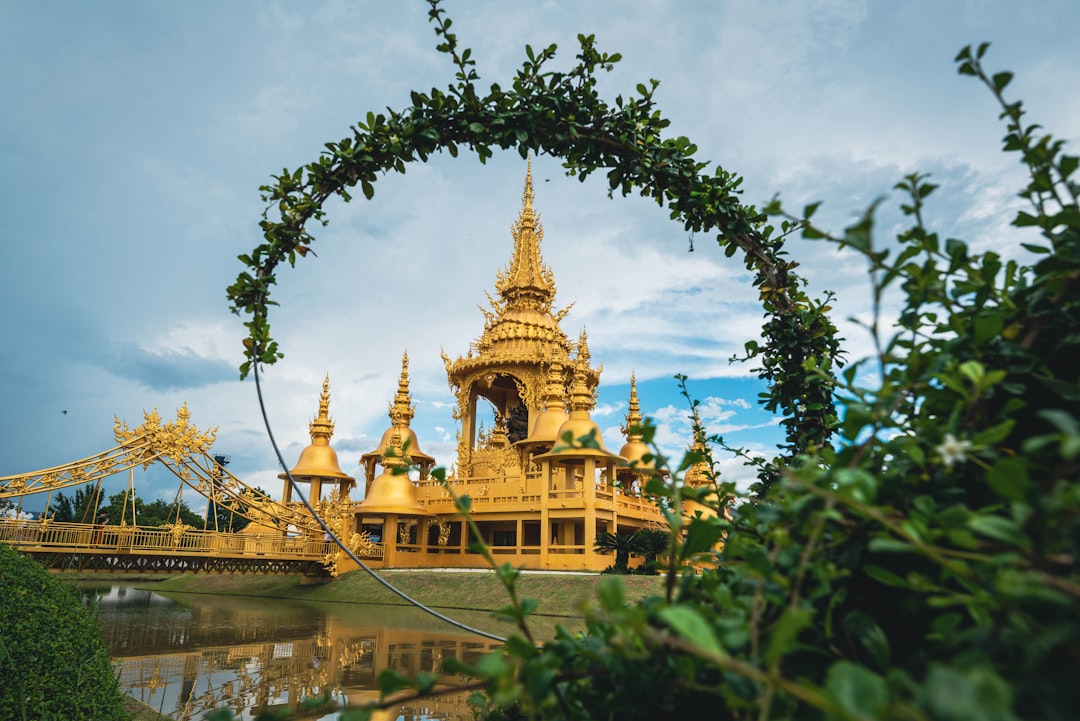
Founded in 1953 by Luang Pho Uttama, the temple was built with the help of the local Karen and Mon populations, who created a vibrant community around this sacred place. The history of Wat Wang Wiwekaram is closely linked to the evolution of the region and the need to preserve local culture and traditions in the face of environmental and social changes.
Historical and Cultural Context
Wat Wang Wiwekaram is emblematic of Thailand's history, particularly its interaction with ethnic minority communities. Its construction took place during a time of great change, when local populations sought to keep their traditions alive. The influence of the Karen and Mon is palpable in every corner of the temple, which reflects the beliefs and practices of these cultures. In 1962, the temple was officially recognized and given its current name, which refers to the ancient name of the district, "Wang Ka."
With the construction of the Khao Laem dam in 1984, the temple and the surrounding village faced an existential threat, as the dam's waters could submerge the area. In response, the temple was relocated to a nearby hill, thus ensuring its preservation and the continuity of the community. This act of resilience further strengthened the bond between the temple and the local populations, making Wat Wang Wiwekaram not only a place of worship but also a symbol of hope and unity.
What Strikes You About the Place
What immediately strikes you about Wat Wang Wiwekaram is its panoramic location. Situated on a hill, the temple offers breathtaking views of the three rivers that surround it: the Songkhaliar, the Beak, and the Rantee. This natural scenery, combined with the traditional architecture of the temple, creates an atmosphere of serenity and contemplation. Visitors can admire the artistic details of the structures, which reflect the rich cultural heritage of the Karen and Mon communities.
Moreover, the temple is a meeting place for spiritual practices and local celebrations, where visitors can observe authentic rituals and interact with monks and community members. The sense of peace that permeates the place is palpable, making the visit an experience that is not only visual but also spiritual and emotional.
Visiting Experience
Visiting Wat Wang Wiwekaram is an opportunity to immerse yourself in local culture and gain a better understanding of Thailand's spiritual traditions. Opening hours are generally flexible, but it is advisable to visit in the morning when the sunlight illuminates the temple, creating a charming atmosphere. Visitors are encouraged to respect behavioral norms, such as dressing appropriately and maintaining a low voice, as a sign of respect for the sacred place.
The journey to reach the temple is an experience in itself, with paths winding through lush nature and offering opportunities to discover local flora and fauna. Once arrived, it is possible to participate in meditation sessions or simply enjoy the tranquility of the place, allowing oneself to be enveloped by the spirituality that fills the air.


