
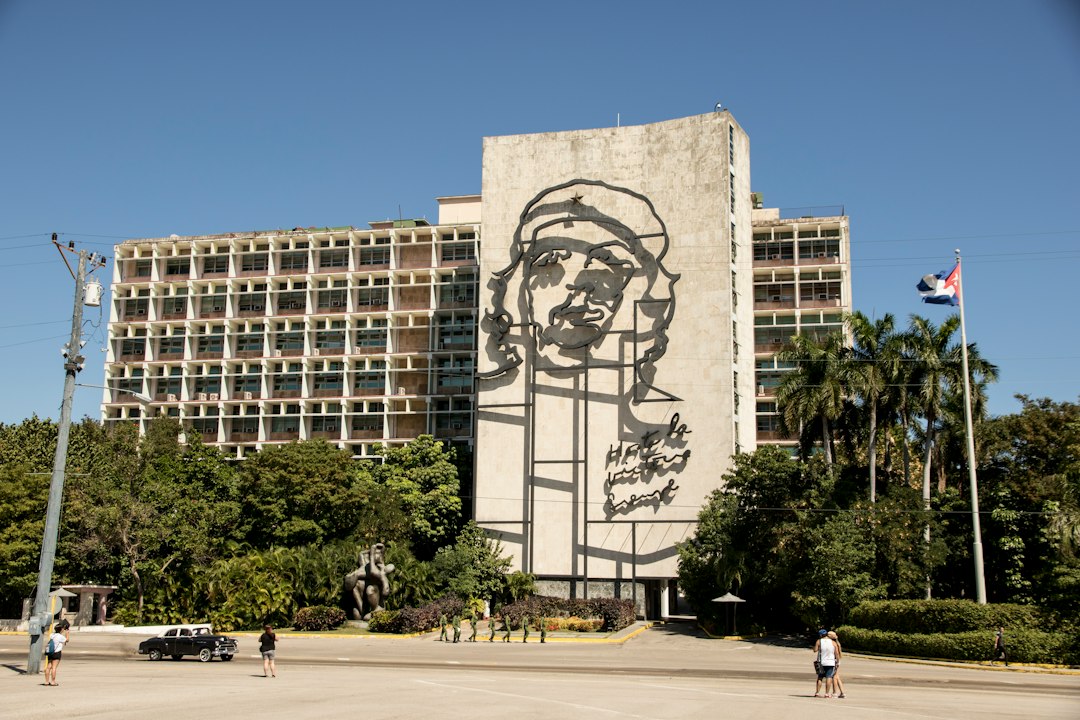

Located on the fascinating island of Cuba, José Martí is a place steeped in history and significance, dedicated to one of the greatest Cuban national heroes. José Julián Martí Pérez, born on January 28, 1853, devoted his life to the struggle for the independence of his homeland, becoming a symbol of freedom and justice not only for Cuba but for all of Latin America. His figure is that of a multifaceted intellectual: poet, philosopher, journalist, and political activist, whose impact is still felt today in Cuban culture and society.
His legacy is visible in every corner of Cuba, where his works and thoughts continue to inspire generations. His life was a continuous journey of exploration and activism, leading him to travel to various nations, seeking support for the Cuban cause and promoting the idea of a united Latin America free from colonial oppression.
History and Origins
José Martí was born in Havana, then part of the Spanish Empire, and from a young age showed a strong interest in politics and literature. His political activism began early, leading him to be arrested and imprisoned for his ideas. After a period of exile in Spain and the United States, Martí continued to fight for Cuban independence, becoming a landmark figure for the liberation movement. His death on May 19, 1895, during a battle, marked a crucial moment in Cuban history, transforming him into a martyr for the cause of independence.
Martí was not only a fighter; he was also a deep thinker who wrote extensively on themes of freedom, justice, and cultural identity. His literary works, ranging from poetry to journalism, have had a lasting impact on Latin American literature. His vision of a unified and free Latin America continues to resonate, making him an icon not only for Cuba but for the entire region.
Elements to Observe
Visiting the site dedicated to José Martí means immersing oneself in a history of struggle and passion. The monument dedicated to him is a place of reflection and celebration, where visitors can learn more about his life and his contribution to Cuban freedom. The statue of Martí, proudly standing in the center of the monument, represents not just a man, but the ideal of freedom that has inspired many. The surrounding park is a meeting place for Cubans, a spot where culture and community intertwine.
Moreover, the museum dedicated to him offers a comprehensive overview of his life and works, with exhibits illustrating the historical context in which he lived. Here, visitors can explore historical documents, letters, and photographs that tell the story of a man who dedicated everything for his homeland. This place is an invitation to understand not only the past but also the present of Cuba.
Why It Is Interesting Today
Today, José Martí's thoughts are more relevant than ever, as his ideas on social justice and independence continue to inspire movements around the world. In an era where many nations face challenges similar to those of his time, Martí's message of freedom and unity offers valuable guidance. His life and works are a call to remember the importance of the struggle for rights and human dignity.
Additionally, visiting José Martí is an opportunity to reflect on Cuba's cultural identity and historical legacy. His figure is a symbol of resistance and hope, and his message transcends borders, speaking to anyone who believes in freedom and justice. For those who wish to learn more about this aspect of Cuban history, the Secret World app can provide insights and useful tips for exploring this fascinating place to the fullest.


