


In the heart of Taiwan, Liming represents a fascinating corner where agricultural history intertwines with innovation. This location, situated at a latitude of 24.1585397 and a longitude of 121.0428585, is famous for the application of calcium and magnesium-rich materials in the soil. This practice, known as liming, has had a significant impact on soil fertility, enhancing plant growth and microbial activity.
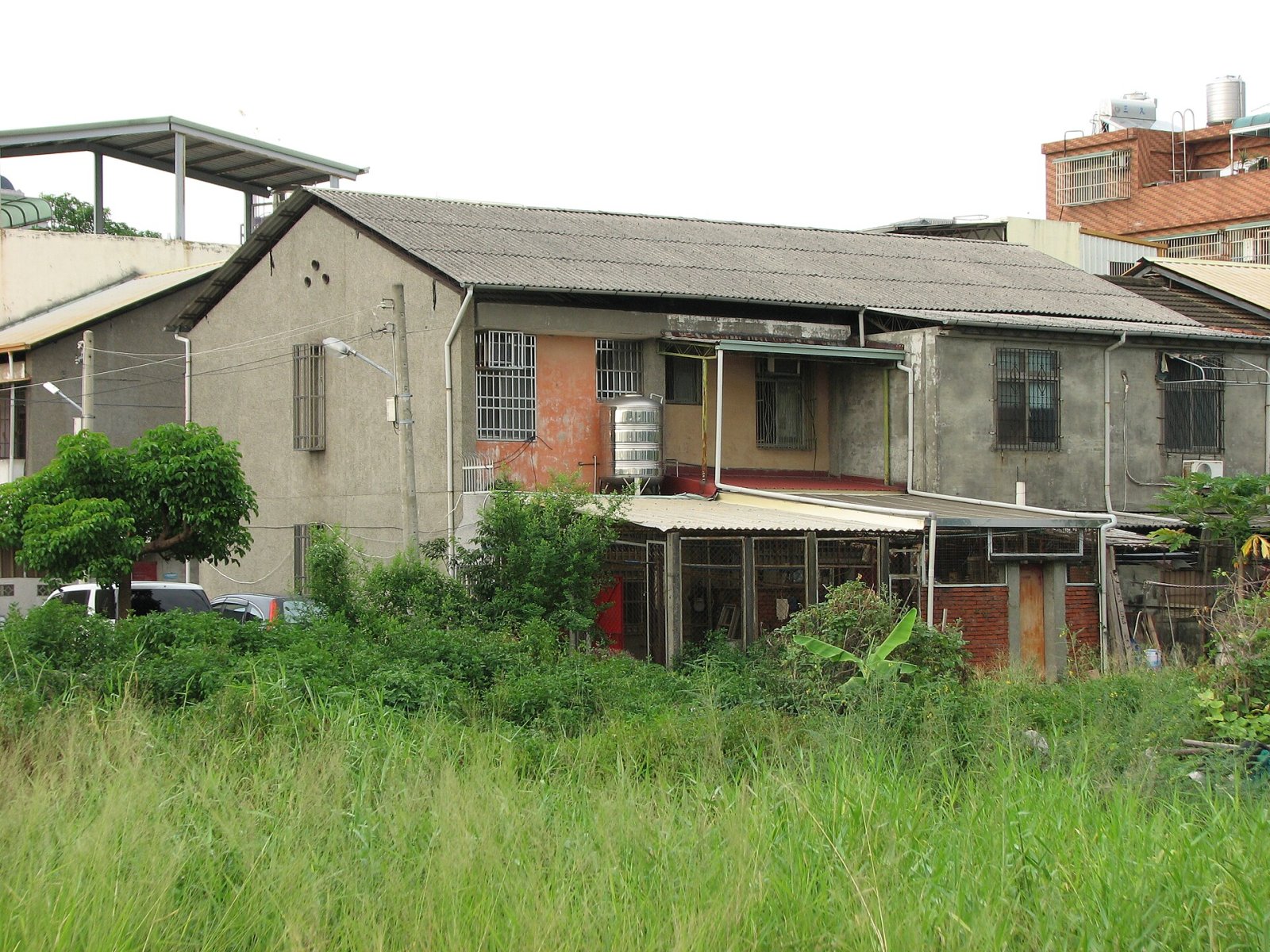
The tradition of liming has deep roots, dating back centuries, when farmers sought solutions to combat soil acidity. Today, Liming is not only a place of interest for farmers but also for tourists who wish to explore the connection between agriculture and history in a unique context.
History and Origins
The origins of liming as an agricultural practice are intertwined with the history of agriculture itself. As early as the 1200s, farmers in the British Isles were using materials like lime and marl to improve soil quality. These techniques, developed over the centuries, have also been applied in Liming, where acidic soil has been treated to promote plant growth. The practice has evolved over time, transitioning from the use of raw lime to the modern application of more sophisticated mixtures that include calcium oxide and calcium hydroxide.
Beyond its agricultural importance, Liming is a symbol of human resilience and ingenuity in seeking to improve living conditions through the land. The history of this location is therefore intrinsically linked to the evolution of agricultural techniques and the pursuit of a sustainable balance between man and nature.
Elements to Observe
When visiting Liming, one can observe various liming techniques in action, illustrating the importance of this practice for local agriculture. The surrounding fields offer a spectacle of lush vegetation, testifying to the effectiveness of liming in improving soil conditions. Additionally, visitors may notice how the interaction between the different materials used for liming affects soil quality and plant health.
Another fascinating element to observe is how the local community has integrated these traditional practices with modern approaches, creating a perfect balance between innovation and tradition. Practical demonstrations and workshops offered by experienced farmers can provide a unique educational experience, enriching the visit with practical and historical knowledge.
Why It Is Interesting Today
Today, Liming represents an example of how history and science can converge to address contemporary agricultural challenges. The growing awareness of the importance of soil health has led to a renewed interest in liming practices, not only to improve agricultural productivity but also to promote environmental sustainability. In an era where agriculture is under pressure due to climate change and soil degradation, Liming offers practical and historically validated solutions.
Moreover, the charm of Liming is not limited to its agricultural aspects; it is also a place where nature lovers can explore breathtaking landscapes and enjoy a serene atmosphere, away from the hustle and bustle of cities. This makes Liming an ideal destination for those seeking a travel experience that combines learning and relaxation.
Practical Information for Visitors
To visit Liming, it is advisable to plan the trip during the dry season, when weather conditions are more favorable for exploring the fields and participating in agricultural activities. The location is easily accessible by public transport and offers various accommodation options, from bed and breakfasts to agritourism facilities, where one can immerse themselves in local rural life.
Finally, don't forget to download the Secret World app, which can enrich your travel experience with useful information and personalized tips to best discover Liming and its agricultural wonders.


