
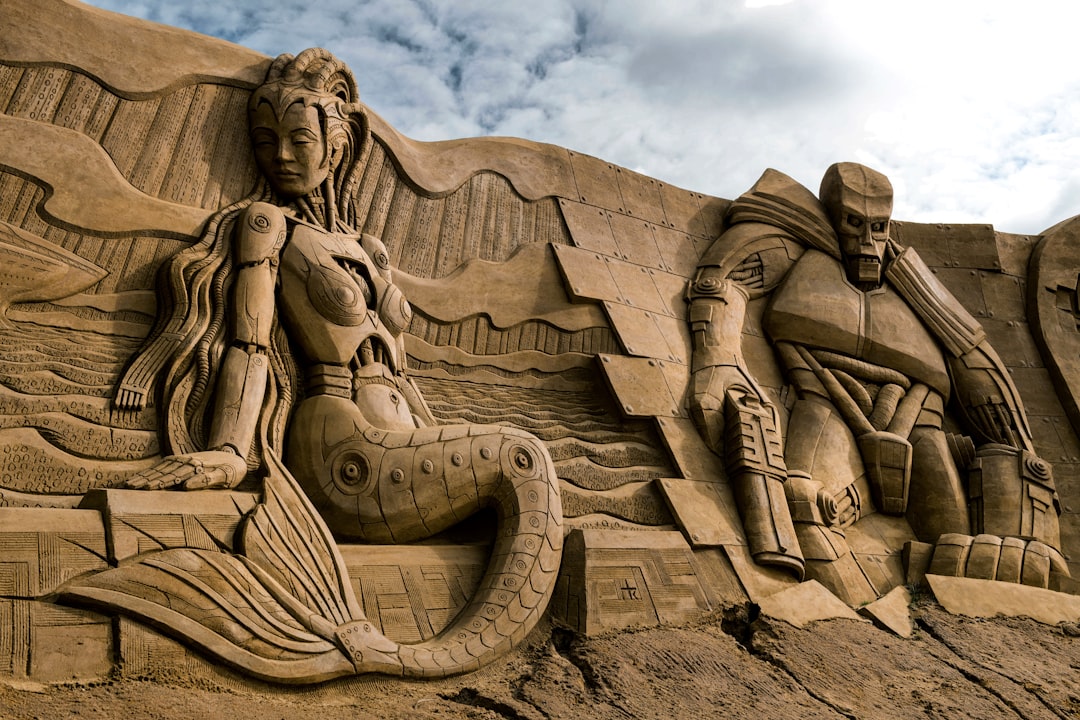

In the heart of Denmark, the book "Skulptur" by Joseph Chaikov represents an important milestone in the history of Yiddish art and literature. Published in 1921, this short yet significant volume is the first Yiddish text dedicated to sculpture, a work that not only reflects the artistic sensibility of its time but also lays the groundwork for a new artistic and cultural expression within the Jewish community. Through its pages, Chaikov invites readers to explore an art form that transcends traditions, proposing an avant-garde vision of sculpture as a vehicle for a new Jewish art.
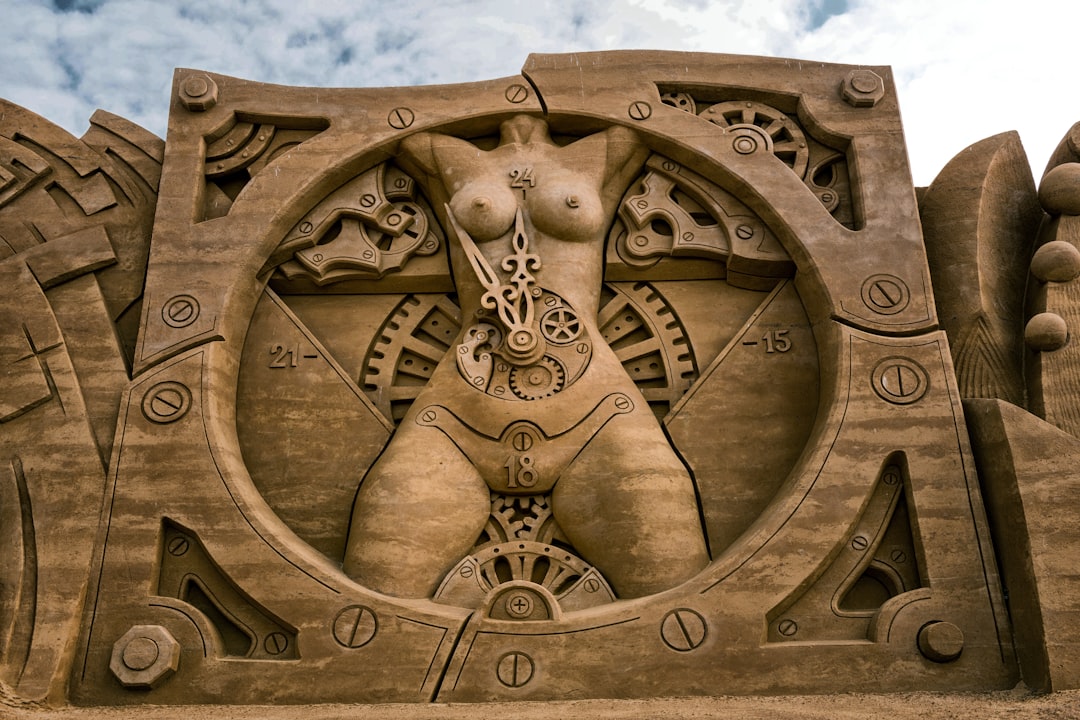
The publication of "Skulptur" by Melukhe Farlag in Kiev is not just an editorial event, but an act of cultural resistance during a time of great turmoil. The volume, though brief, with its 15 pages, is rich in meaning and reflects an era when Yiddish art and literature were beginning to gain wider recognition, contributing to the definition of a modern Jewish cultural identity.
Historical and Cultural Context
The context in which "Skulptur" was written is crucial for understanding its significance. In the 1920s, Europe was undergoing significant changes, and the Jewish community was facing unprecedented challenges. In this scenario, Yiddish art emerged as a vital means of expression, capable of addressing themes of identity, memory, and hope. Joseph Chaikov, with his work, not only enters this cultural debate but enriches it with his innovative vision of sculpture, proposing a reflection on the importance of art in building a new Jewish consciousness.
Sculpture, traditionally considered a lesser art compared to painting, finds a new dignity in "Skulptur." Chaikov emphasizes the evocative power of three-dimensional forms, encouraging artists to explore new techniques and materials at a time when avant-garde movements were redefining the boundaries of art. This approach not only enriches the artistic landscape but also stimulates intergenerational dialogue within the Jewish community, inviting new generations to participate in this cultural evolution.
What Strikes About the Place
Skulptur, as a literary work, impresses with its boldness and its ability to synthesize a powerful and innovative message in just a few pages. Chaikov's attention to detail and the expressive form of sculpture is reflected in his evocative language, inviting readers to imagine the described works. The ability to take the reader on a visual journey through words is what makes this book so captivating and memorable. Each page is an invitation to reflect on the importance of art in everyday life and its capacity to convey deep emotions and meanings.
Moreover, the choice to publish "Skulptur" in Yiddish is an act of cultural reclamation. At a time when many minority languages and cultures were at risk of extinction, Chaikov uses his work to celebrate and preserve the richness of the Yiddish language. This aspect makes the book not only a work of art but also a symbol of resistance and cultural pride, a message that still resonates today within the Jewish community and beyond.
Visitor Experience
Visiting the symbolic place of Skulptur means immersing oneself in an atmosphere of reflection and creativity. Although there is no specific physical site linked to the work, visitors can explore art galleries and cultural centers in Denmark that celebrate Yiddish art and contemporary sculpture. These spaces offer a unique opportunity to appreciate Chaikov's cultural legacy and to discover artists who continue to carry forward his vision. During a visit, one can participate in events, exhibitions, and meetings that stimulate dialogue about the importance of art and culture.
An enriching visitor experience may include participating in workshops or conferences that delve into the history of Yiddish art, offering participants the chance to interact with artists and scholars. Through these activities, it is possible not only to learn more about Chaikov's work but also to contribute to a lively and current debate on art and cultural identity.


