
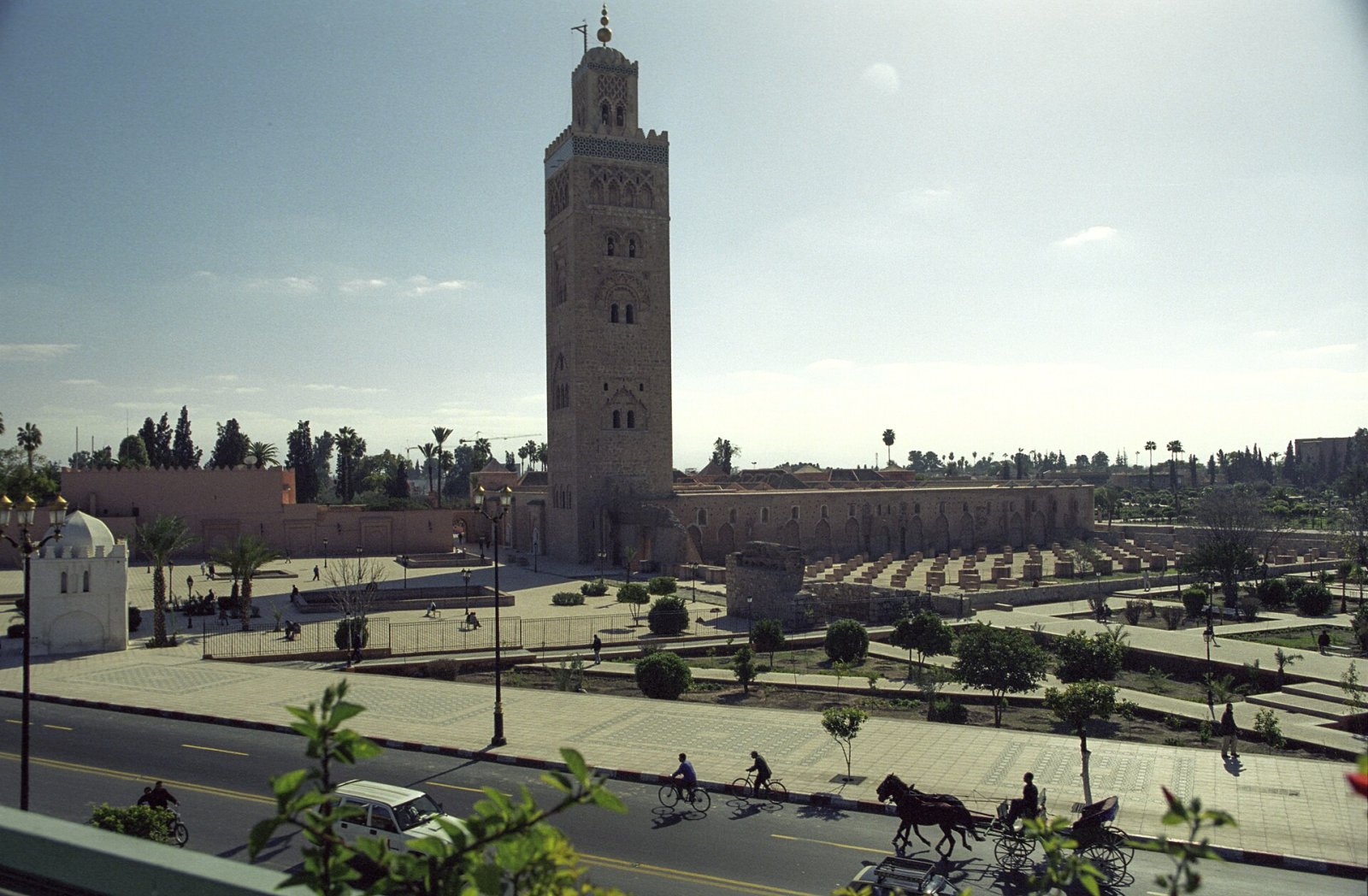

Morocco, a land of enchanting contrasts and millennia-old traditions, is famous for its mosques that represent not only places of worship but also authentic architectural masterpieces. The mosques of the country, with their soaring minarets and intricate decorations, invite exploration of Islamic spirituality and culture. In this article, we will immerse ourselves in the fascinating world of Moroccan mosques, discovering their historical and cultural significance.

The mosques, or masjid, are sacred spaces for Muslims, where prayers and religious celebrations take place. These places are characterized by an atmosphere of calm and reflection, offering a unique opportunity to understand the traditions and values of the Islamic community. In Morocco, each mosque tells a story, reflecting the evolution of Islamic architecture and the richness of the country's cultural heritage.
Historical and Cultural Context

Moroccan mosques are the result of centuries of architectural and cultural development. Since the early days of Islam, mosques have played a central role in the daily lives of Muslims, serving as places of gathering and teaching. During the period of Islamic architecture, which lasted from 650 to 750 AD, the first mosques were simple prayer spaces, but over time they evolved into more complex structures, with minarets and courtyards. These buildings not only served for prayer but also for education and the dissemination of Islamic culture.
In Morocco, mosques are often decorated with colorful mosaics, calligraphy, and intricate stucco sculptures, elements that reflect the skill of local artisans. Each region of the country has its distinctive style, influenced by various artistic and historical currents. The Hassan II Mosque in Casablanca, for example, is one of the largest in the world and represents a perfect blend of tradition and modernity, attracting visitors from every corner of the globe.
What Strikes You About the Place
What strikes most about Moroccan mosques is their magnificence and the serenity they emanate. The architecture is characterized by elegant lines and refined details, creating an atmosphere of peace and contemplation. The large carved wooden doors and open courtyards invite visitors to enter and discover a world of beauty and spirituality. The presence of the mihrab, the ornamental niche that indicates the direction of Mecca, is a central element in every mosque, symbolizing the devotion of the faithful.
Moreover, the use of segregated spaces for men and women is a common feature in mosques, reflecting tradition and respect for religious practices. The minarets, from which the call to prayer is broadcast, represent a visual and spiritual landmark for the community. The harmony between architecture and nature is another fascinating aspect, as many mosques are surrounded by gardens and fountains that contribute to creating a relaxing and contemplative environment.
Visiting Experience
Visiting a mosque in Morocco is a unique experience that offers the opportunity to immerse oneself in the local culture. It is important to respect the rules of conduct, such as covering shoulders and legs, and removing shoes before entering. During visits, it is possible to witness moments of prayer and observe rituals that take place daily. The kindness and hospitality of the locals make every visit even more memorable.
Mosques are not only places of worship but also centers of social and cultural life. Many of them host events, conferences, and community activities, providing an opportunity to interact with residents and better understand their culture. Guided tours can further enrich the experience, providing detailed information about the history and architecture of the mosques, making each stop a journey through time and spirituality.


