
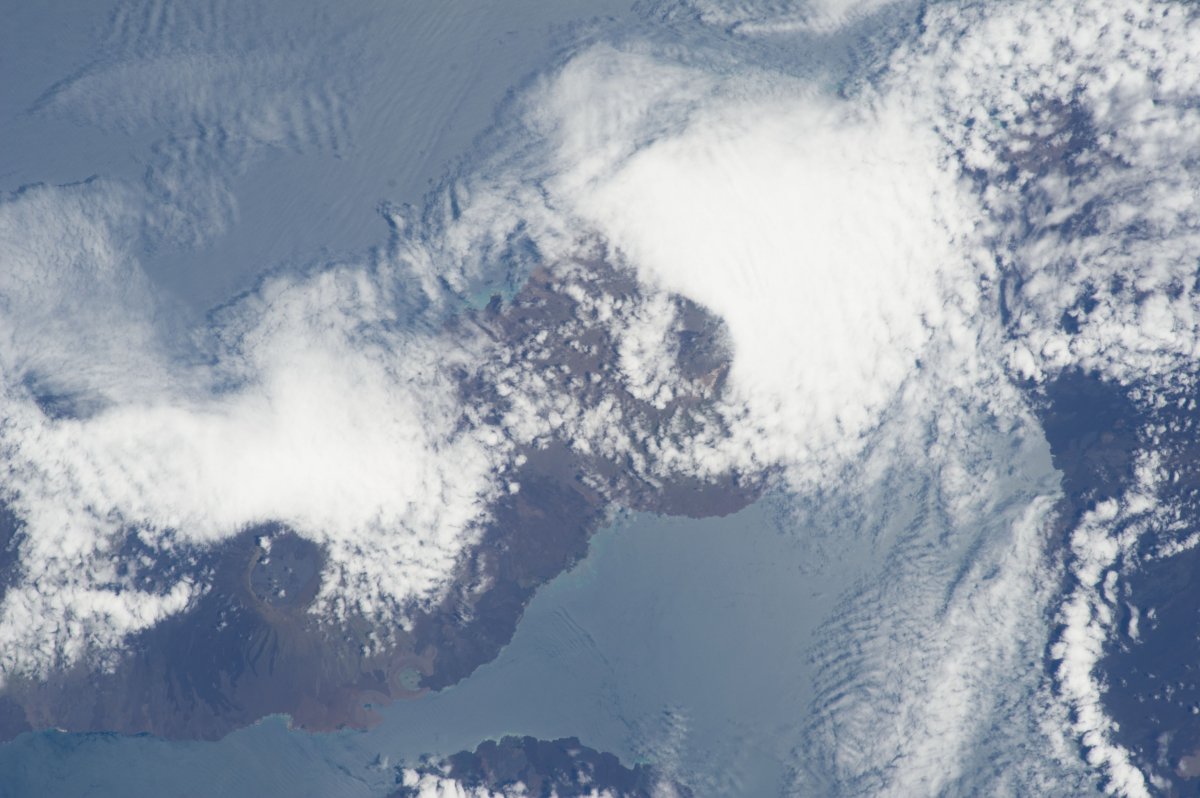

The Galápagos, an archipelago located in the Pacific Ocean, is a place that has fascinated and enchanted travelers and scientists for centuries. Known for their extraordinary biodiversity and unique ecosystems, these islands are a true natural laboratory that inspired Charles Darwin's theories. Their isolated position has forged a fauna and flora that cannot be found in any other corner of the planet, making the Galápagos a place to visit at least once in a lifetime.

The islands, composed of 13 main islands and over 100 smaller islets, were declared a UNESCO World Heritage Site in 1978. Each of these islands holds incredible stories and natural wonders waiting to be explored. In this article, we will dive into island life and discover why the Galápagos are so special.
A Unique and Fragile Ecosystem
The Galápagos are famous for their biodiversity, which has developed uniquely due to their isolated position. Here you can find species that do not exist anywhere else in the world, such as giant tortoises and the famous marine iguanas. Each island presents a different ecosystem, with habitats ranging from cactus forests on the drier islands to rainforests on the wetter ones.
Marine life is equally extraordinary: the waters surrounding the Galápagos are populated by a variety of fish, sharks, and seals. Diving and snorkeling offer a unique opportunity to get close to these extraordinary creatures, which move freely in a nutrient-rich sea. However, the beauty of the Galápagos is fragile; tourism and climate change threaten these unique ecosystems, making conservation and sustainable resource management essential.
The Life of the Island Inhabitants
In addition to the fauna and flora, the Galápagos are home to a community of about 30,000 inhabitants, most of whom live on Santa Cruz Island. Life here is deeply influenced by the natural environment; many residents are involved in tourism, fishing, and agriculture, practices that must adapt to the ecological peculiarities of the islands.
The cultural traditions of the Galápagos are a mix of indigenous and Spanish influences. During your visit, you can savor typical dishes made with fresh fish, seafood, and local vegetables, while traditional festivals offer a glimpse into the daily life and celebrations of the residents. The local community is aware of the importance of conservation and often actively participates in environmental protection projects.
Must-Do Activities in the Galápagos
The Galápagos offer a wide range of activities for visitors. From hiking on the volcanic mountains of Isabella to exploring the white beaches of Tortuga Bay, there is something for every type of traveler. Nature lovers can join guided tours to observe wildlife, while adventurers can try kayaking or snorkeling to discover underwater wonders.
You cannot talk about the Galápagos without mentioning the Charles Darwin Research Station, located in Puerto Ayora, where visitors can learn more about species conservation and the work being done to protect the islands' ecosystem. This station is a key landmark in the educational journey and awareness towards the protection of the Galápagos.
Conclusions: An Unforgettable Journey
Visiting the Galápagos means immersing yourself in a world of natural beauty and scientific wonders. The combination of unique fauna, diverse ecosystems, and local culture makes these islands a must-visit place for every traveler. However, it is essential to remember that the beauty of the Galápagos must be respected and preserved for future generations.
Every travel plan to the Galápagos should include a commitment to sustainability and conservation, so that these islands can continue to inspire and fascinate tomorrow's explorers. With the right preparations and an open mindset, the Galápagos can become a life-changing experience, an adventure that will remain in the heart and mind forever.


