
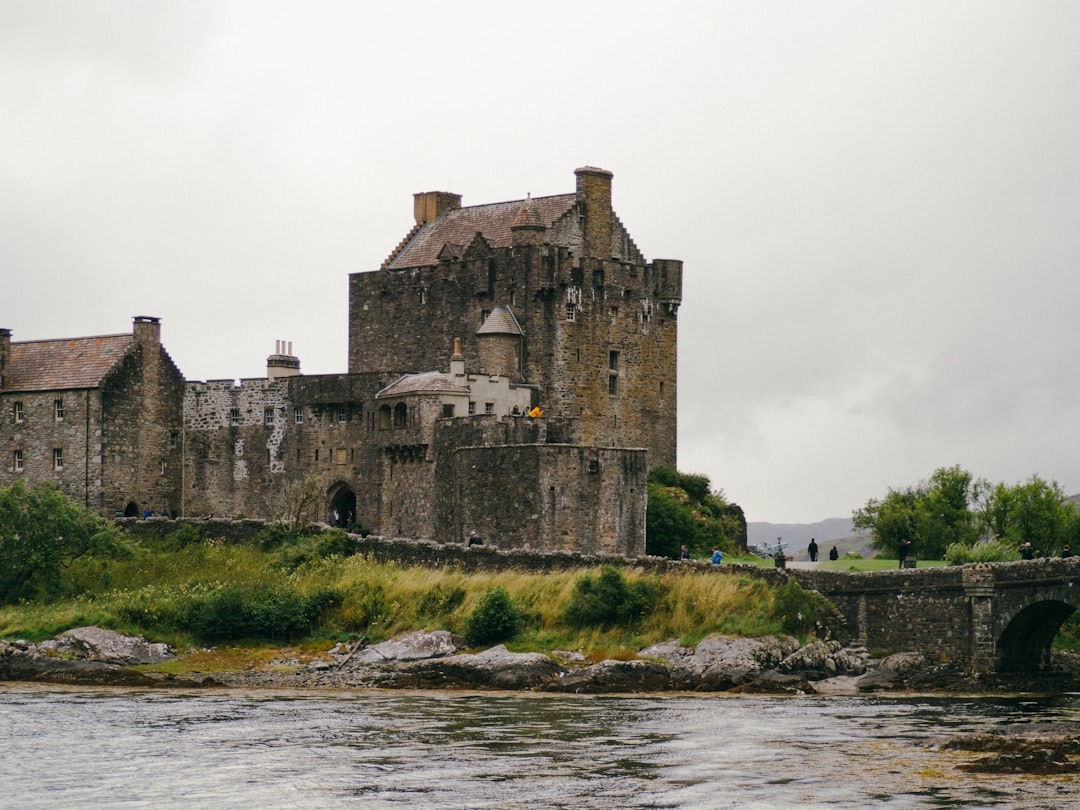

Immersed in the evocative atmosphere of Scotland, the Fort represents an unmissable stop for those seeking an authentic historical experience. This place, rich in history and culture, offers visitors the opportunity to explore the roots of a fascinating past, in an extraordinary landscape context. Its strategic position and history make it a symbol of resilience and tradition.
The Fort, located at coordinates 55.6642525, -3.1183243, is an example of how Scottish history can be told through its structures and monuments. Initially conceived as a defensive point, the Fort has witnessed the passage of eras and events that have profoundly marked Scotland. Its architecture, reflecting different styles, tells stories of battles, peace, and daily life.
History and Origins
The history of the Fort is intrinsically linked to the historical context of Scotland. Although there are no specific data on its foundation, it is known that its use as a defensive structure dates back to periods of conflict and instability. During centuries of wars and rivalries, the Fort served as a refuge and strategic control point, allowing its occupants to monitor access routes and protect surrounding communities.
Over time, the Fort has undergone numerous renovations and restorations, adapting to new military and civilian needs. Each modification has left its mark, contributing to create a mosaic of architectural influences that tell the story of Scotland through the centuries. Today, the Fort is not just a monument, but a silent witness to events that have shaped the Scottish national identity.
Elements to Observe
Visiting the Fort, tourists can admire various architectural elements that characterize the structure. The imposing walls, built to withstand sieges, offer a panoramic view of the surrounding area, allowing appreciation of the beauty of the Scottish landscape. Inside, it is possible to explore the rooms that once housed soldiers and officers, each with its own story to tell.
Another interesting aspect of the Fort is its strategic position, which served not only defensive purposes but also as a meeting point for local communities. This place has seen the interaction of different cultures and traditions, making it a crossroads of human experiences. Today, visitors can immerse themselves in this cultural heritage, discovering the stories of those who lived and worked here.
Why It Is Interesting Today
Today, the Fort is not just a place of historical interest, but a symbol of identity and pride for the Scots. Its relevance extends beyond its walls, representing a connection to the past and a testament to the perseverance of a people. The history of the Fort is an invitation to reflect on how past experiences influence the present and the future, making it a place of great significance.
Moreover, the Fort attracts visitors from all over the world, eager to discover the history of Scotland in an authentic context. Local guides offer tours that share anecdotes and curiosities, making the visit even more engaging. This place has become a landmark not only for its historical importance but also for its role in promoting cultural tourism in Scotland.
Practical Information for Visitors
For those wishing to visit the Fort, it is advisable to plan the visit in advance. The structure is open to the public at certain times, and it is recommended to check updated information on official websites. Getting to the Fort is easy, thanks to public transport connecting the main Scottish cities. Additionally, the surrounding area offers various opportunities to explore nature and immerse oneself in local culture.
Don't forget to bring a camera, as the Fort and the surrounding landscape offer numerous opportunities for memorable shots. Finally, for an enriched experience, consider using the Secret World app, which provides useful information and tips for exploring Scotland's historical and cultural heritage.


