


In the heart of Albania, the Mosque represents a corner of spirituality and culture that deserves to be explored. This place of worship, a symbol of Islamic tradition, is a refuge for the faithful and a landmark for all those who wish to understand the historical roots of this nation. The Mosque is not just a sacred building, but a true guardian of stories and values that have their roots in the centuries.
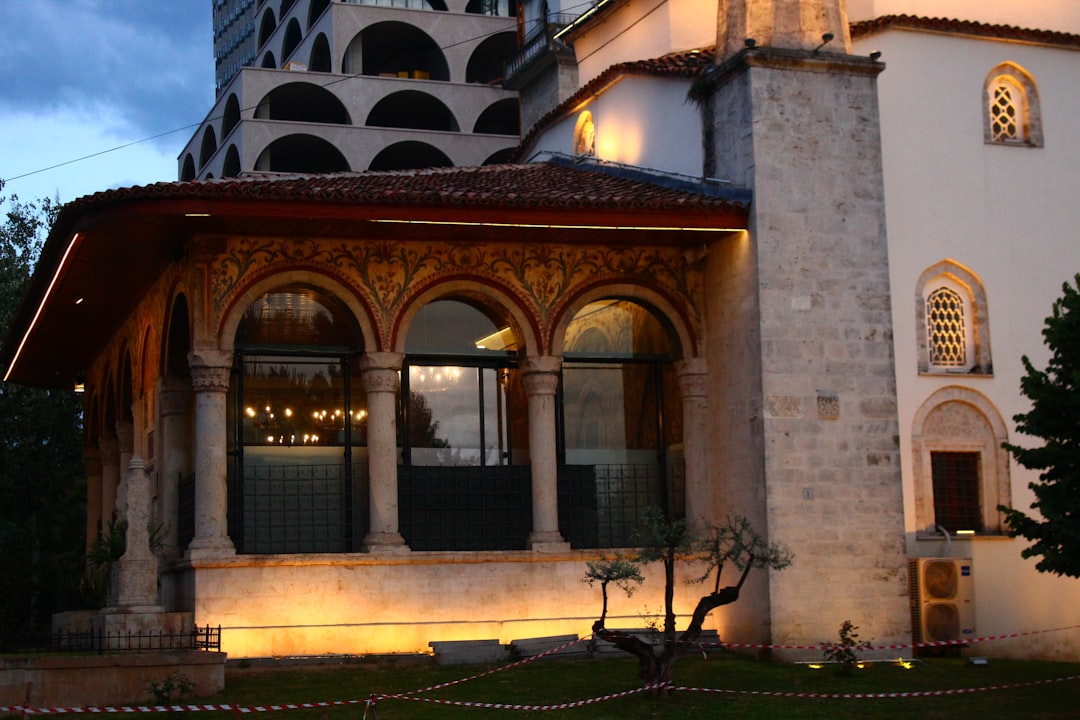
Its architecture, simple yet fascinating, invites visitors to reflect on the beauty of faith and the importance of community. With geographical coordinates that place it in a strategic location, the Mosque is easily accessible and represents an ideal starting point to discover the cultural wonders that Albania has to offer.
Historical and Cultural Context
The Mosque, like many others in Albania, is a witness to a complex history, marked by diverse influences that have overlapped over the centuries. Originally, Islamic places of worship were open, simple spaces devoid of elaborate ornaments. Over time, the architecture of mosques evolved, incorporating decorative and structural elements that reflect the richness of Islamic culture. In Albania, this development has led to the creation of spaces that not only serve as places of prayer but also as centers for social and cultural aggregation.
In a country where different religious traditions coexist, the Mosque stands as a symbol of tolerance and interfaith dialogue. It represents a bridge between the past and the present, a place where generations come together to celebrate their faith and cultural identity. Through its walls, one can sense the echo of ancient stories and the vitality of the contemporary community.
What Strikes You About the Place
The first thing that strikes you upon arriving at the Mosque is its enveloping silence, interrupted only by the melodious call to prayer. The atmosphere is imbued with sacredness and respect, inviting visitors to immerse themselves in a contemplative experience. The architectural lines, despite their simplicity, convey a sense of harmony and balance, reflecting the fundamental principles of the Islamic faith.
Another fascinating aspect is the presence of the mihrab, an architectural element that indicates the direction of the city of Mecca. This particular corner of the Mosque is not only a spiritual landmark but also a work of art that embodies the beauty of Islamic tradition. The decorations, though modest, tell stories of devotion and art, creating a deep connection between the visitor and the local culture.
Visiting Experience
Visiting the Mosque is an experience that goes beyond the simple act of observing a building. It is an opportunity to understand the spirituality and traditions of a community that has managed to preserve its identity over the centuries. Visitors are welcomed with warmth and hospitality, and have the opportunity to participate in moments of prayer or reflection, if they wish. This interaction offers an authentic glimpse into the daily life of the faithful.
Moreover, the Mosque often serves as the center for cultural and social events, where meetings, conferences, and activities are organized to promote dialogue and mutual understanding. Participating in these events can further enrich the experience, allowing one to connect with local traditions and the community that lives them.
Practical Information for Visitors
For those wishing to visit the Mosque, it is advisable to respect the dress and behavior norms, as a sign of respect for the sacred place. It is appropriate to wear clothing that covers the shoulders and knees, and to maintain a low tone of voice during the visit. Opening hours may vary, so it is useful to inquire in advance to plan the visit better.
Finally, the Mosque is easily reachable by public transport or on foot, depending on the visitor's location. Once there, in addition to the beauty of the building, one can take the opportunity to explore the surroundings, further enriching their journey. For additional tips and information, the Secret World app can be a valuable ally in discovering this and other wonders of Albania.


