
🎄 Win a month in Italy for two — €10,000 · The Secret Italy Prize GO →
Discovering the Surau: A Cultural Gem in Malaysia — Pagoh
← Back
Parks and gardens 📍 Pagoh, Malaysia

Discovering the Surau: A Cultural Gem in Malaysia

In the heart of Malaysia, the Surau represents a fascinating meeting point between culture and spirituality. This building, which has its historical roots in West Sumatra, is much more than just a place of worship; it is a symbol of the community and the Islamic tradition that ha...

Photo · Rania N.

Discovering the Surau: A Cultural Gem in Malaysia — Pagoh, Malaysia.

Location
Pagoh
Type
Parks and gardens
Opening hours
Weather now
↗ Directions

About Discovering the Surau: A Cultural Gem in Malaysia

Discovering the Surau: A Cultural Gem in Malaysia - Pagoh | Secret World Trip Planner

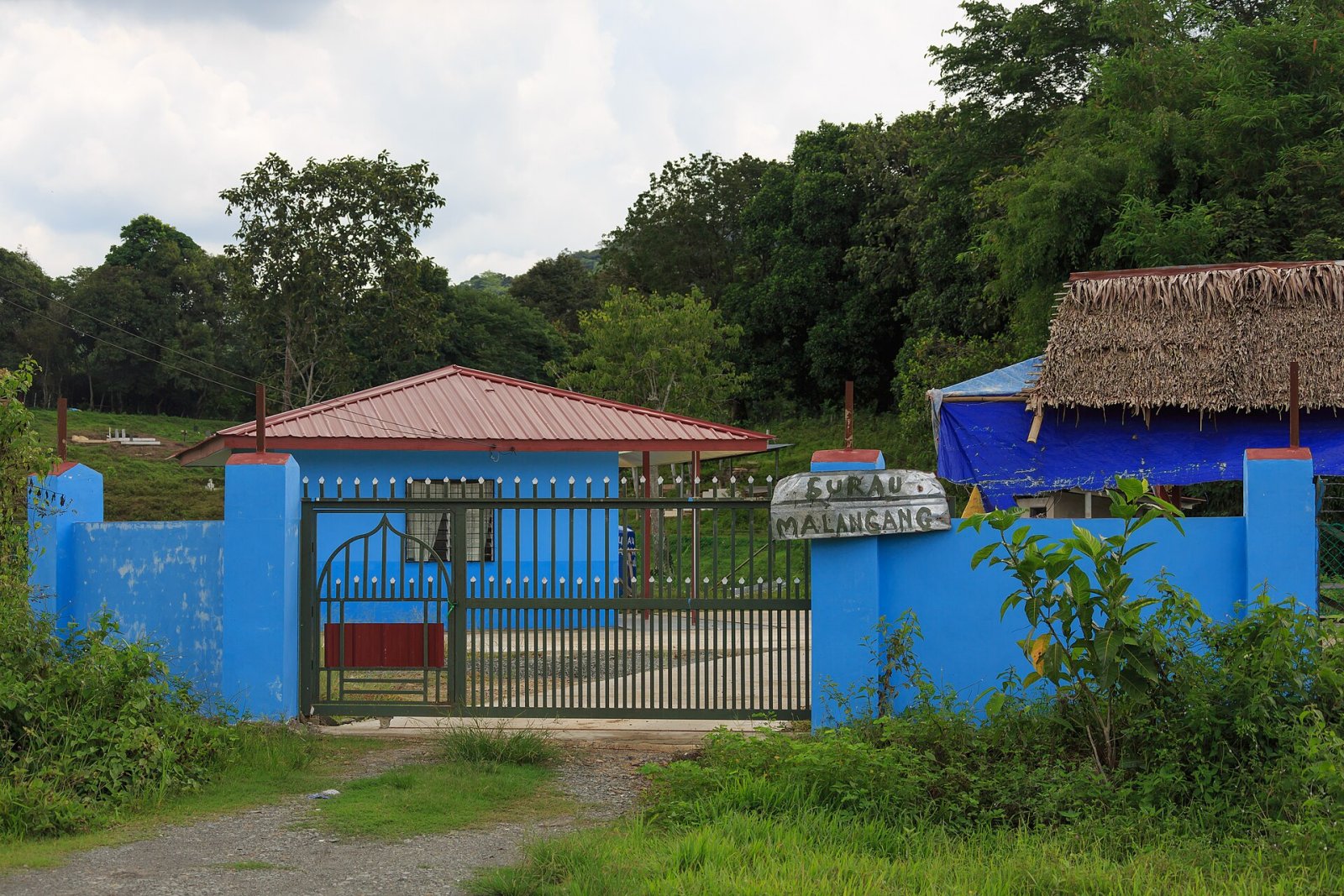
In the heart of Malaysia, the Surau represents a fascinating meeting point between culture and spirituality. This building, which has its historical roots in West Sumatra, is much more than just a place of worship; it is a symbol of the community and the Islamic tradition that has spread throughout Southeast Asia. With its architecture varying between local and Islamic styles, the Surau offers a unique insight into the daily life and religious practices of the Malaysian population.
Discovering the Surau: A Cultural Gem in Malaysia - Pagoh | Secret World Trip Planner

Visiting it means immersing oneself in a context rich in history and meaning, where daily prayers intertwine with the social and cultural activities of the community. The Surau is not only a place of prayer but also a center for religious education and a landmark for the locals.

Historical and Cultural Context

The Surau has origins dating back to 1356, when it was used as a place of worship for pre-Islamic religions among the Minangkabau people. With the advent of Islam, these buildings transformed into spaces dedicated to prayer, while still maintaining their role as community centers. The term 'surau' is derived from an ancestral worship practice, where communities gathered to honor their ancestors.

With the spread of Islam in the Malay Peninsula, the Surau gained increasing importance, becoming a fundamental place not only for prayer but also for religious education. Today, it is common to find Surau in villages and cities, where they also serve as public spaces for gatherings and social activities, consolidating their role in the local social fabric.

What Strikes You About the Place

Upon entering a Surau, one is welcomed by an atmosphere of serenity and reflection. The architecture, ranging from traditional styles to more modern ones, reflects the cultural diversity of Malaysia. Each Surau is unique, with decorations that may include Islamic calligraphy and geometric patterns that tell stories of faith and tradition.

What is most striking is the vibrancy of the activities that take place within these spaces. In addition to prayers, Surau host religious lessons, community meetings, and celebrations. This makes the Surau a vibrant center of life, where people gather not only to practice their faith but also to strengthen social ties.

Visiting Experience

Visiting a Surau offers a unique opportunity to understand Malaysian culture from an authentic perspective. It is advisable to respect behavioral norms, wearing appropriate clothing and showing respect during prayers. Many Surau are open to visitors, who can observe daily activities and, on some occasions, participate in lessons or discussions.

During the visit, it is possible to interact with community members, who are often happy to share their experiences and knowledge. This interaction enriches the visit, providing a deeper insight into local life and culture, making each experience unique and memorable.

Practical Information for Visitors

Frequently Asked Questions

A Surau is a traditional building that serves as a place of worship and community gathering in Malaysia, with historical roots tracing back to West Sumatra and the Minangkabau people dating to 1356. Originally used for pre-Islamic ancestral worship practices, it transformed into spaces dedicated to Islamic prayer while maintaining its role as a community center for religious education and social activities.
When visiting a Surau, you'll encounter an atmosphere of serenity and reflection with unique architecture that blends traditional local styles and Islamic design elements. The interiors typically feature Islamic calligraphy and geometric patterns that tell stories of faith and tradition, with each Surau being distinct in its decorations and layout reflecting Malaysia's cultural diversity.
The Surau evolved from a pre-Islamic ancestral worship site into a fundamental Islamic prayer space while retaining its original community-centered purpose. Today, Suraus function as multifaceted institutions serving as places of daily prayer, centers for religious education, public gathering spaces, and important social landmarks that consolidate their role in the local social fabric of both villages and cities.
The Surau's history dates back to 1356 when it was originally used as a place of worship among the Minangkabau people for pre-Islamic religions and ancestral veneration practices. With the subsequent spread of Islam in the Malay Peninsula, these structures transformed into dedicated Islamic prayer spaces while preserving their essential function as community gathering centers.
Suraus function as much more than prayer spaces; they serve as centers for religious education, public gathering venues for social activities, and important cultural landmarks within their communities. These buildings represent a meeting point between spirituality and culture, playing a vital role in the daily life and religious practices of the Malaysian population beyond their primary function as places of worship.

Experiences nearby · Pagoh

Powered by Viator

See more on Viator.com

Secret World Hidden places, real stories — plan your trip
Get the app
