


The Surau represents a fundamental element of Islamic culture in Malaysia, a place of prayer and community that has its roots in the country's history. These buildings are not only spaces for worship but also centers for social gathering, where religious lessons and community activities take place. Their presence is widespread not only in Malaysia but also in Singapore and Thailand, testifying to the importance of the Surau in the daily lives of Muslims in Southeast Asia.
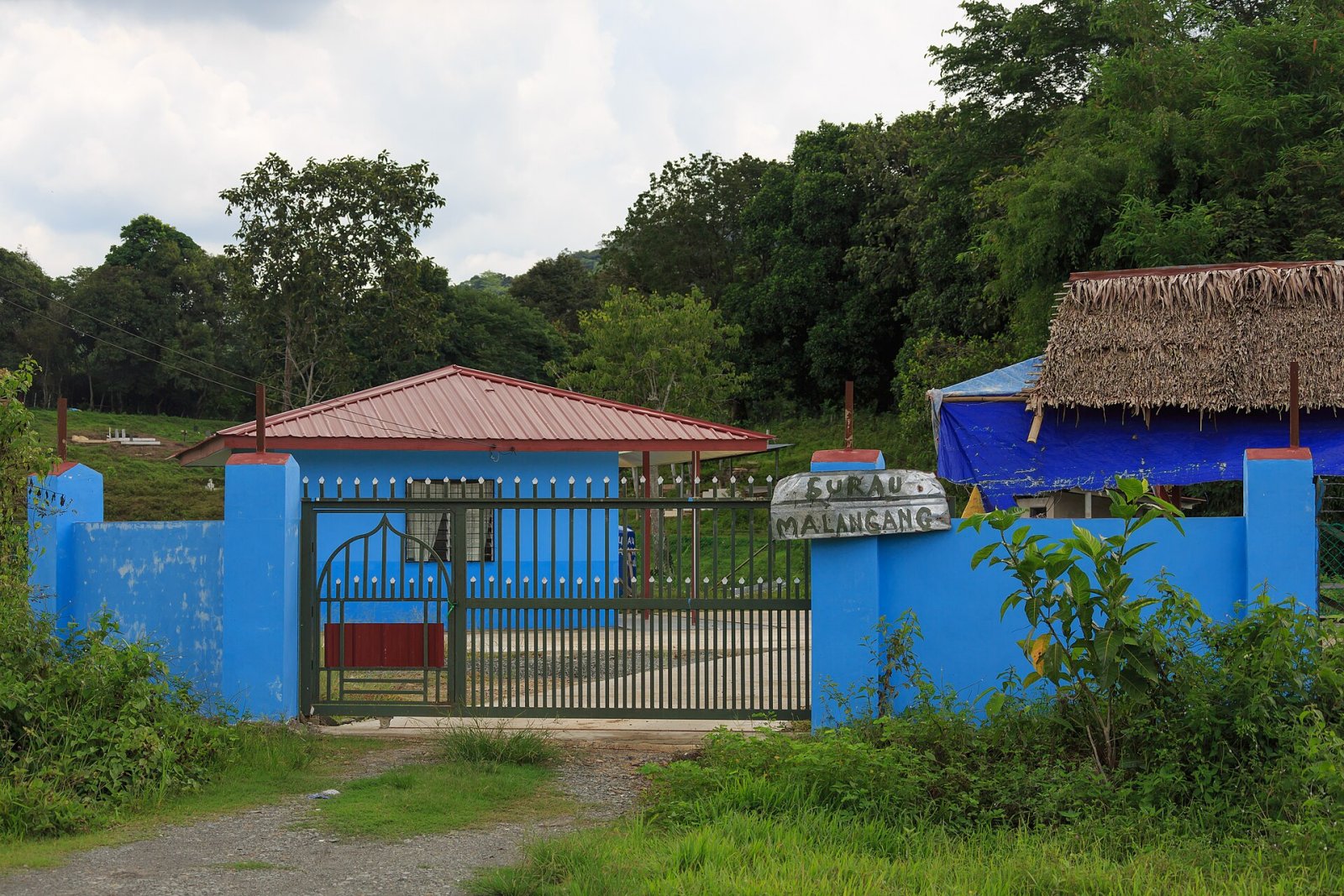
Originally, the Surau originated in West Sumatra among the Minangkabau, evolving from structures dedicated to pre-Islamic cults to prayer spaces for Muslims. This transition marked an important cultural and religious evolution, making the Surau a symbol of the shift towards Islam in the region. Today, these buildings can present in varying architectural styles, reflecting local traditions or classical Islamic architecture.
Historical and Cultural Context
The Surau, with its origin among the Minangkabau, is an example of how religious practices can integrate and transform over time. Initially used for the worship of Hindu and Buddhist deities, the Surau took on a new function with the arrival of Islam, becoming a place for the five daily prayers. This process of adaptation led to the spread of the Surau in the Malay Peninsula, where it found a prominent place in the lives of local communities.
The structure of the Surau is usually simple yet functional, designed to accommodate worshippers in a serene and respectful environment. Historically, these spaces have been reserved for men, but in recent years many Surau have opened their doors to women as well, reflecting a change in religious and social practices. The Surau is not just a place of worship but also a symbol of unity and social cohesion, where people gather to share experiences and deepen their faith.
What Strikes You About the Place
Visiting a Surau allows one to immerse in an atmosphere of calm and spirituality. The architecture varies from one place to another, but often features the use of local materials and decorative details that reflect the specific culture of the region. Soft colors and natural lighting contribute to creating a welcoming environment where visitors can feel comfortable and respect local traditions.
Another fascinating aspect is the community life that takes place within these structures. It is not uncommon to witness gatherings for Quran reading, religious lessons, or special events involving community members. This aspect of the Surau offers a unique opportunity to better understand the social and religious dynamics of Malaysia, making the visit an enriching and formative experience.
Visiting Experience
For those wishing to visit a Surau, it is important to respect local traditions and customs. It is advisable to dress appropriately, covering shoulders and legs, and to remove shoes before entering. Many Surau are open to visitors, who can observe prayers and interact with community members. Locals are usually very welcoming and willing to explain religious practices, making the visit an interactive experience.
Moreover, many Surau are located in quiet areas, surrounded by nature, offering an opportunity for a meditative walk or simply to enjoy the beauty of the surrounding landscape. Visiting a Surau is not only a moment of learning but also an opportunity to reflect and connect with the spirituality of the place.


