



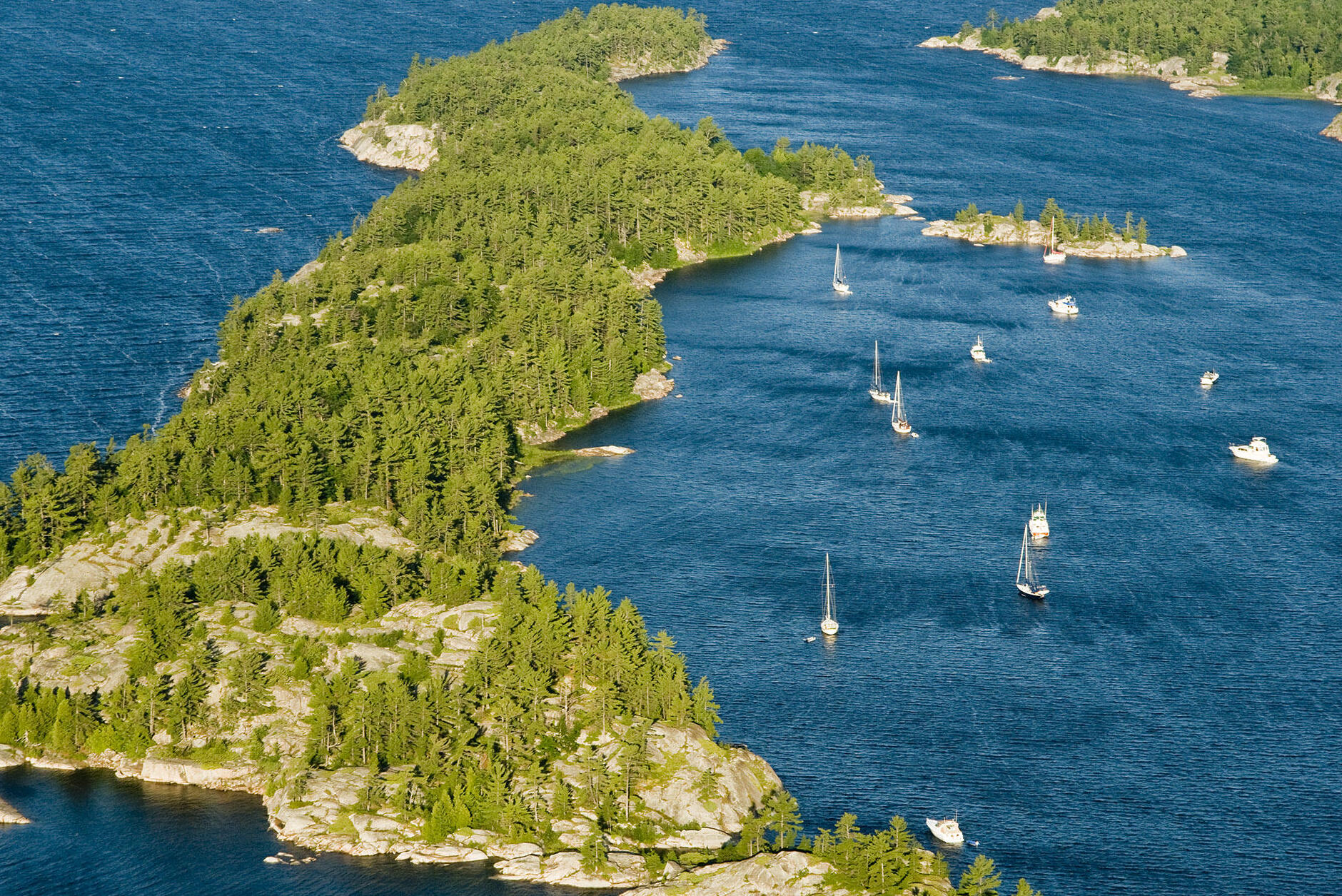
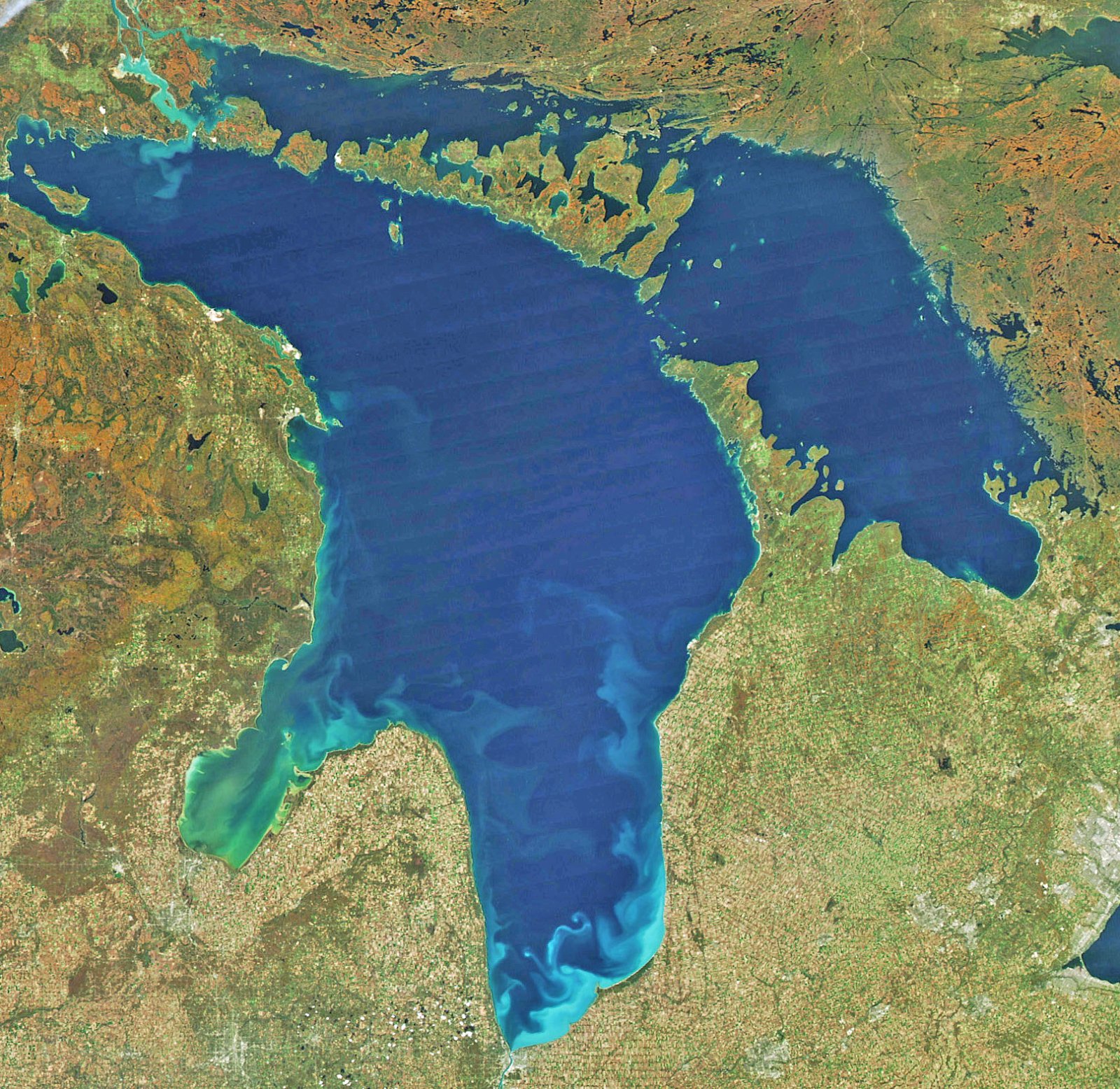
Dividing Canada and the United States, Lake Huron is more than just a geographical boundary; it is a natural wonder steeped in history, culture, and beauty. As one of the largest freshwater lakes in the world, Lake Huron boasts captivating features, including the world’s largest freshwater island, Manitoulin Island, and vast expanses of Georgian and Saginaw Bays. These bays are so large they are often mistaken for lakes, providing a stunning backdrop for various recreational activities and wildlife encounters.
### History and Origins The history of Lake Huron is rich and intricate, dating back thousands of years. The region was originally inhabited by Indigenous groups, notably the Huron-Wendat, who thrived on the lake's resources. The lake was named after the Huron Indians, whose way of life was deeply intertwined with its waters. European exploration began in the early 1600s, with Samuel de Champlain being one of the first Europeans to document the area. The lake became a vital route for fur traders in the 17th and 18th centuries, leading to the establishment of towns and settlements along its shores.
Key historical events include the War of 1812, during which several battles took place near the lake. With its strategic location, Lake Huron witnessed naval engagements that shaped the course of North American history. Today, the remnants of these events can be explored through various historical sites and museums located along the lakeshore.
### Art and Architecture The artistic landscape around Lake Huron reflects a blend of Indigenous heritage and European influence. Notable architectural styles include Victorian and Neo-Gothic elements found in the charming towns of Bayfield and Goderich. The Huron County Museum in Goderich showcases Indigenous artifacts alongside European artworks, offering visitors a glimpse into the region's artistic evolution.
The Manitoulin Island Art Tour, held annually, features local artists who exhibit their works inspired by the stunning natural scenery and cultural narratives of the area. From paintings to sculptures, the local art scene encapsulates the spirit of Lake Huron and its surroundings.
### Local Culture and Traditions The culture around Lake Huron is vibrant, with traditions steeped in both Indigenous and settler histories. Local customs include storytelling, traditional crafts, and communal gatherings that celebrate the region's diversity. Festivals such as the Manitoulin Island Harvest Festival and the Huron County Fair draw visitors from near and far, showcasing local artisans, musicians, and culinary delights.
Additionally, Indigenous cultural events, such as powwows, allow visitors to experience traditional music, dance, and food, fostering a deeper understanding of the area's heritage and its people.
### Gastronomy The culinary scene near Lake Huron is a reflection of its rich resources. Local foods often feature freshwater fish, with whitefish and pickerel being popular choices. Restaurants along the lakeshore frequently serve dishes that highlight these catches, often paired with locally grown produce, such as sweet corn and berries.
A must-try beverage is ice cider, a specialty of the region produced from apples that have been naturally frozen on the tree. This unique drink captures the essence of the local terroir and is a perfect accompaniment to a lakeside meal.
### Lesser-known Curiosities While many visitors flock to well-known spots, Lake Huron holds secrets waiting to be discovered. For example, the waters of Lake Huron are home to over 1,000 shipwrecks, remnants of an era when maritime trade was at its peak. Some of these wrecks, such as the wreck of the A.H. Dobbins, are now protected sites where divers can explore the underwater history.
Another intriguing fact is that Manitoulin Island is not only the largest freshwater island in the world but also features a unique geological formation known as the Cup and Saucer. This hiking trail leads to breathtaking views and is a favorite among nature enthusiasts.
### Practical Visitor Information The best time to visit Lake Huron is during the summer months, from June to September, when the weather is warm, and outdoor activities abound. Visitors can enjoy swimming, boating, and fishing, while the fall season offers spectacular foliage and a quieter atmosphere.
When planning your visit, consider stopping by the Huron County Beaches for sunbathing or exploring the Bruce Peninsula National Park for hiking and wildlife watching. Don’t forget to check out local markets for fresh produce and artisanal goods.
In conclusion, Lake Huron is a treasure trove of natural beauty, rich history, and vibrant culture. Whether you’re exploring its shores, savoring local cuisine, or delving into its past, the lake promises a memorable experience.
For personalized itineraries to uncover more of Lake Huron’s hidden gems, using the Secret World app could help shape your adventure.
