



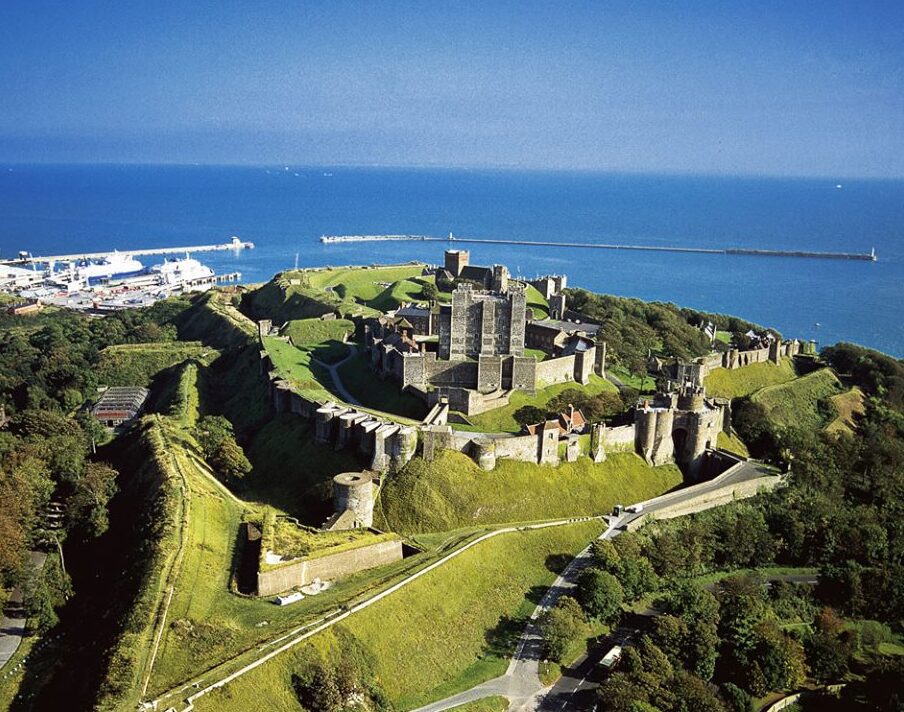
Perched high atop the White Cliffs of Dover, Dover Castle stands as a sentinel of England's storied past. Often referred to as 'The Key to England,' this magnificent fortress has witnessed over 2000 years of history, evolving from an Iron Age fort to a formidable medieval castle. Its strategic location, guarding the shortest crossing to mainland Europe, has made it a pivotal point of defense and a symbol of royal power.
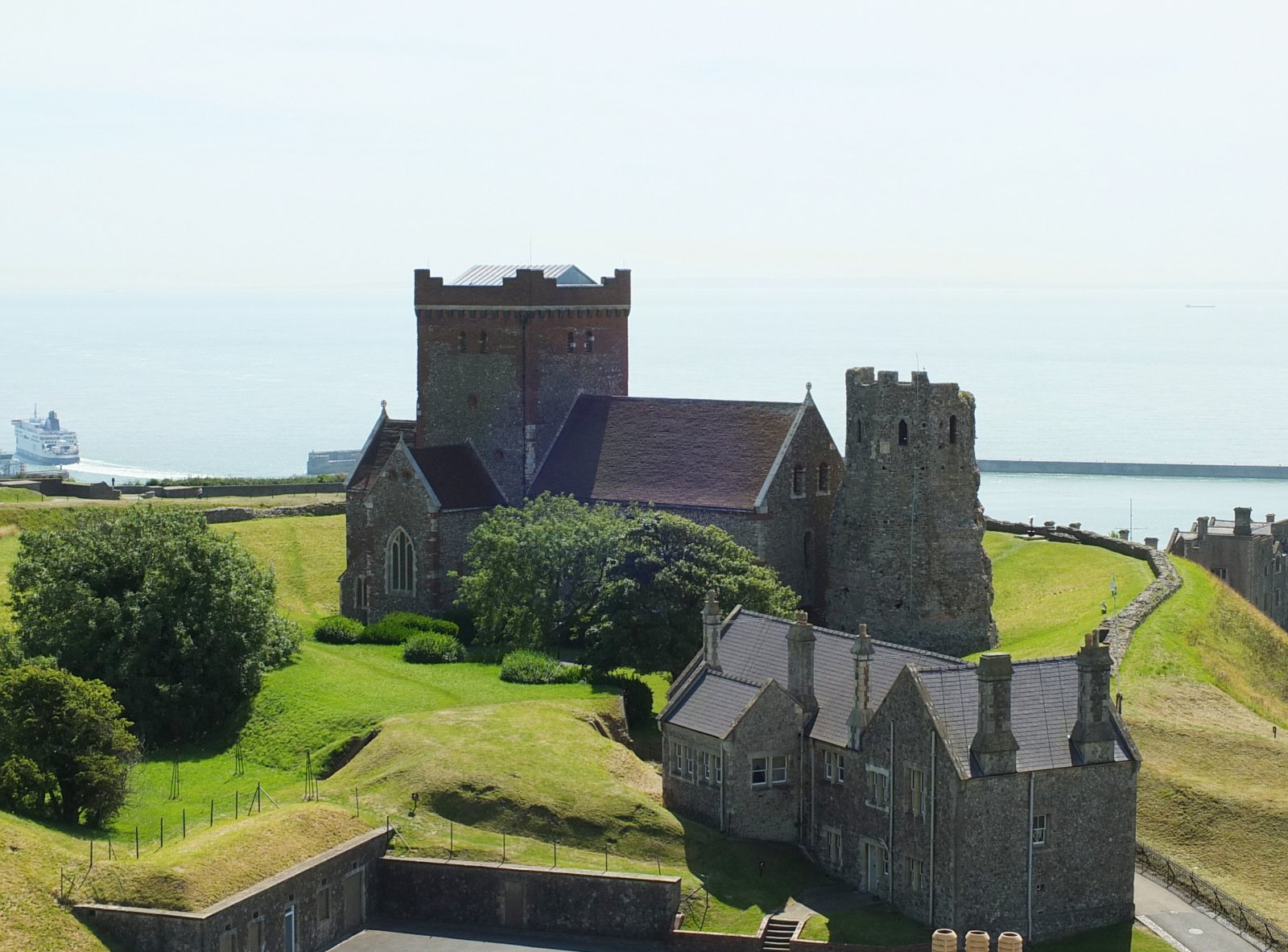
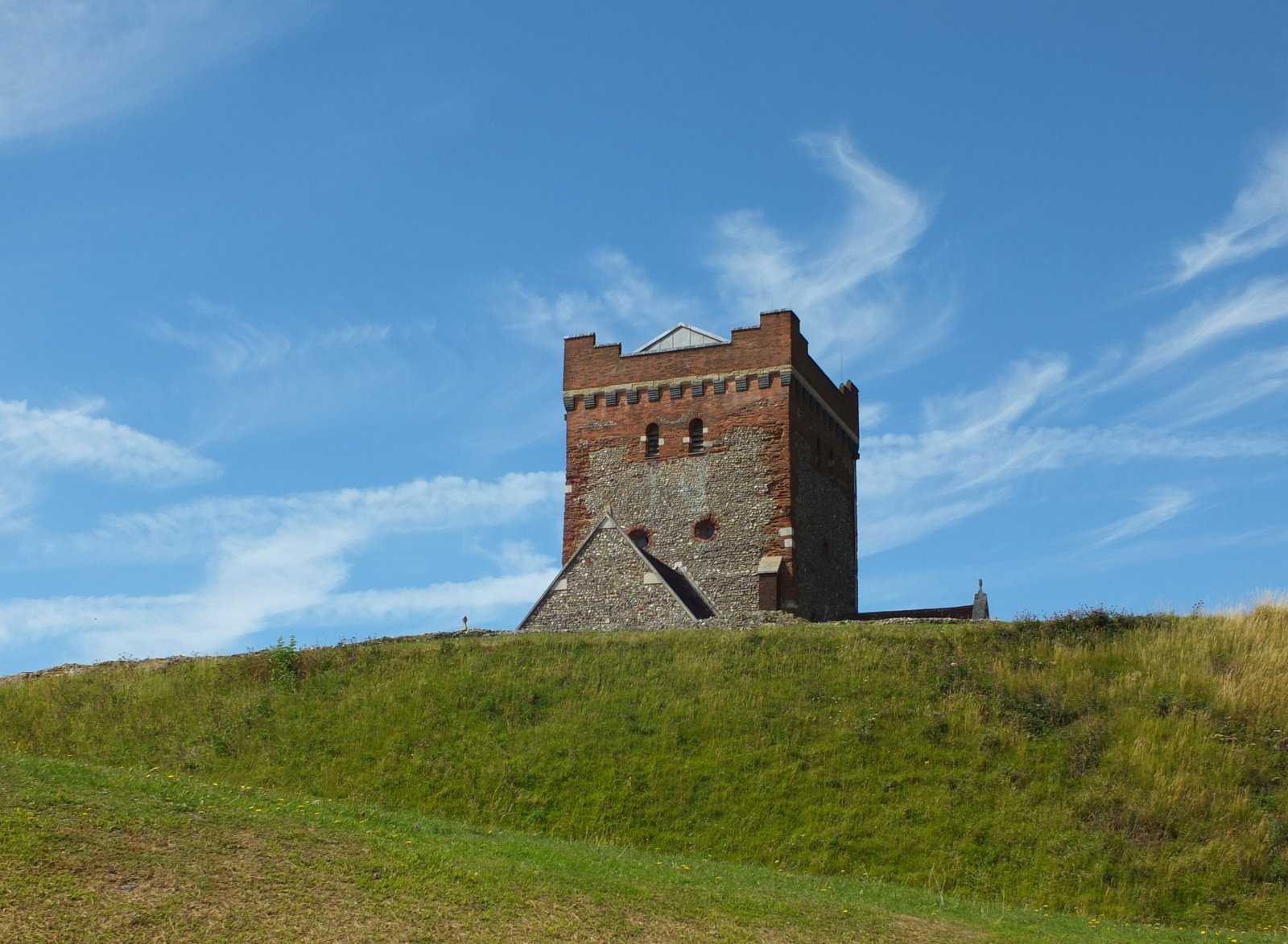
The origins of Dover Castle can be traced back to the Iron Age, when it served as a fortification for Celtic tribes. The Romans later recognized its strategic importance, establishing a lighthouse that still stands as one of the oldest surviving lighthouses in the world. The Saxon church that once graced its grounds further emphasizes the site's long-standing significance. However, the castle as we see it today began to take shape in the 12th century under Henry II, whose Great Tower remains a prominent feature, showcasing the architectural prowess of the time.
The Great Tower, a prime example of Romanesque architecture, boasts a grand design that reflects the era's opulence and defensive needs. Its imposing presence is accentuated by thick stone walls and a complex network of chambers that were once filled with the sounds of court life. Intriguingly, the castle's architecture not only served military purposes but also represented the might of the English crown, with stunning views across the Straits of Dover that would have been a constant reminder of its power to any approaching invader.
Local culture around Dover Castle is steeped in tradition, with annual events that celebrate its rich history. The Dover Castle Medieval Festival is a highlight, where reenactors don period costumes, bringing the castle's past to life with jousting, archery, and medieval music. Visitors can also explore the English Heritage events throughout the year, which include guided tours and educational experiences that delve into the castle's role in significant historical events such as the Battle of Britain during World War II.
Gastronomy in Dover reflects its coastal heritage, with a focus on fresh seafood. Local delicacies include Dover sole, a flatfish renowned for its delicate flavor, and Dover oysters, celebrated for their briny sweetness. The nearby White Cliffs of Dover are also famous for Kentish cider, a refreshing drink enjoyed by locals and visitors alike. Pubs in the area often feature hearty dishes like fish and chips, providing a taste of traditional British fare.
Among the lesser-known curiosities of Dover Castle is its vast network of underground tunnels, created during the Napoleonic Wars and later expanded during World War II. These tunnels served as a command center and shelter, offering a fascinating glimpse into the castle's military significance throughout the ages. Additionally, the castle is said to be haunted, with reports of ghostly apparitions, including a mysterious figure in a long cloak, adding an air of intrigue to its storied walls.
For those planning a visit, the best time to explore Dover Castle is during the spring and summer months, from April to September, when the weather is pleasant, and the grounds are lush with greenery. To make the most of your visit, consider joining a guided tour to gain insights into its history and architecture. Don't miss the opportunity to climb to the top of the Great Tower for breathtaking views of the English Channel and France on a clear day.
In summary, Dover Castle is not merely a historical site; it is a testament to England's resilience and strategic importance throughout the centuries. Its rich tapestry of history, art, culture, and gastronomy makes it a must-visit destination for anyone interested in the heritage of the British Isles. For personalized itinerary suggestions, consider using the Secret World app to enhance your experience.
