
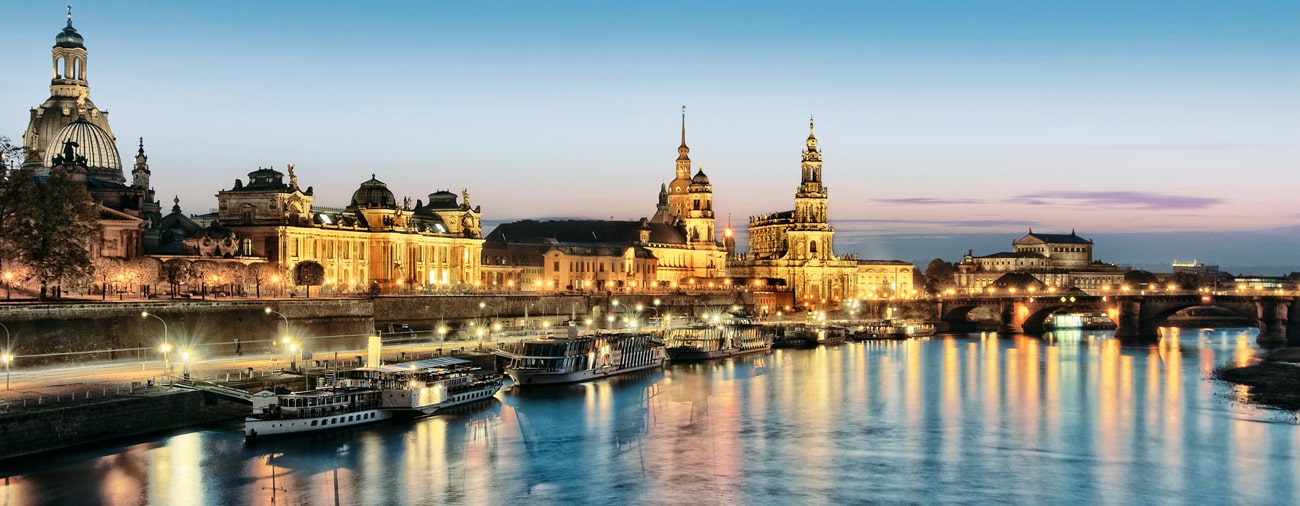

Nestled along the graceful banks of the Elbe River, Dresden, often dubbed the 'Florence of the North,' beckons with its unparalleled blend of history, art, and innovation. This German city, with coordinates 51.0504088, 13.7372621, stands as a testament to resilience, having been meticulously restored following the devastations of World War II.
History and Origins Dresden's origins date back to a Slavic settlement in the early 1200s, evolving into a flourishing Saxon capital by the 15th century. Its strategic location made it a significant cultural and political hub. The 18th century marked the city's golden era under Elector Augustus the Strong, who commissioned much of its iconic Baroque architecture. However, the Allied bombing in February 1945 razed much of Dresden to the ground, only for it to rise again, symbolizing renewal and hope.
Art and Architecture The cityscape of Dresden is a visual feast, dominated by the grandeur of Zwinger Palace and the Frauenkirche, whose intricate dome stands as a symbol of reconciliation. The Dresden State Art Collections house masterpieces such as Raphael's Sistine Madonna, drawing art aficionados from around the globe. The city's architectural style is predominantly Baroque, with some Neoclassical influences, reflecting its artistic ambitions through ornate facades and elaborate interiors.
Local Culture and Traditions Dresden's cultural calendar is vibrant and diverse, with events like the Dresden Music Festival and the Striezelmarkt, Germany's oldest Christmas market, which dates back to 1434. The city's cultural fabric is woven with traditions such as the Saxon dialect and the custom of 'Kaffeeklatsch' – a leisurely coffee and cake afternoon.
Gastronomy The culinary landscape of Dresden is as rich as its history. Sample local delicacies like Sächsische Kartoffelsuppe (Saxon potato soup) or Dresdner Stollen, a festive bread spiced with dried fruits. Pair these with a glass of Goldriesling, a unique white wine from the nearby Elbe Valley, for a truly local experience.
Lesser-known Curiosities While the grandeur of Dresden's major attractions is well-known, few visitors discover the Pfunds Molkerei, dubbed the world's most beautiful dairy shop, or the Transparent Factory, where visitors can witness the assembly of Volkswagen’s luxury cars. The city’s less-trodden paths also reveal stunning street art, a burgeoning expression of its contemporary cultural ethos.
Practical Visitor Information To experience Dresden's charm at its fullest, plan your visit between May and September when the weather is mild and the city is alive with festivals. Walk along the Brühl's Terrace for sweeping views of the Elbe or explore the Neustadt for its eclectic mix of boutiques and cafes. Public transport is efficient, but the city is best explored on foot or by bike to fully appreciate its architectural splendor.
Whether you're captivated by its storied past, artistic treasures, or culinary delights, Dresden awaits with open arms, ready to share its secrets. Use Secret World app to craft a personalized AI itinerary and uncover the hidden gems of Dresden.


