


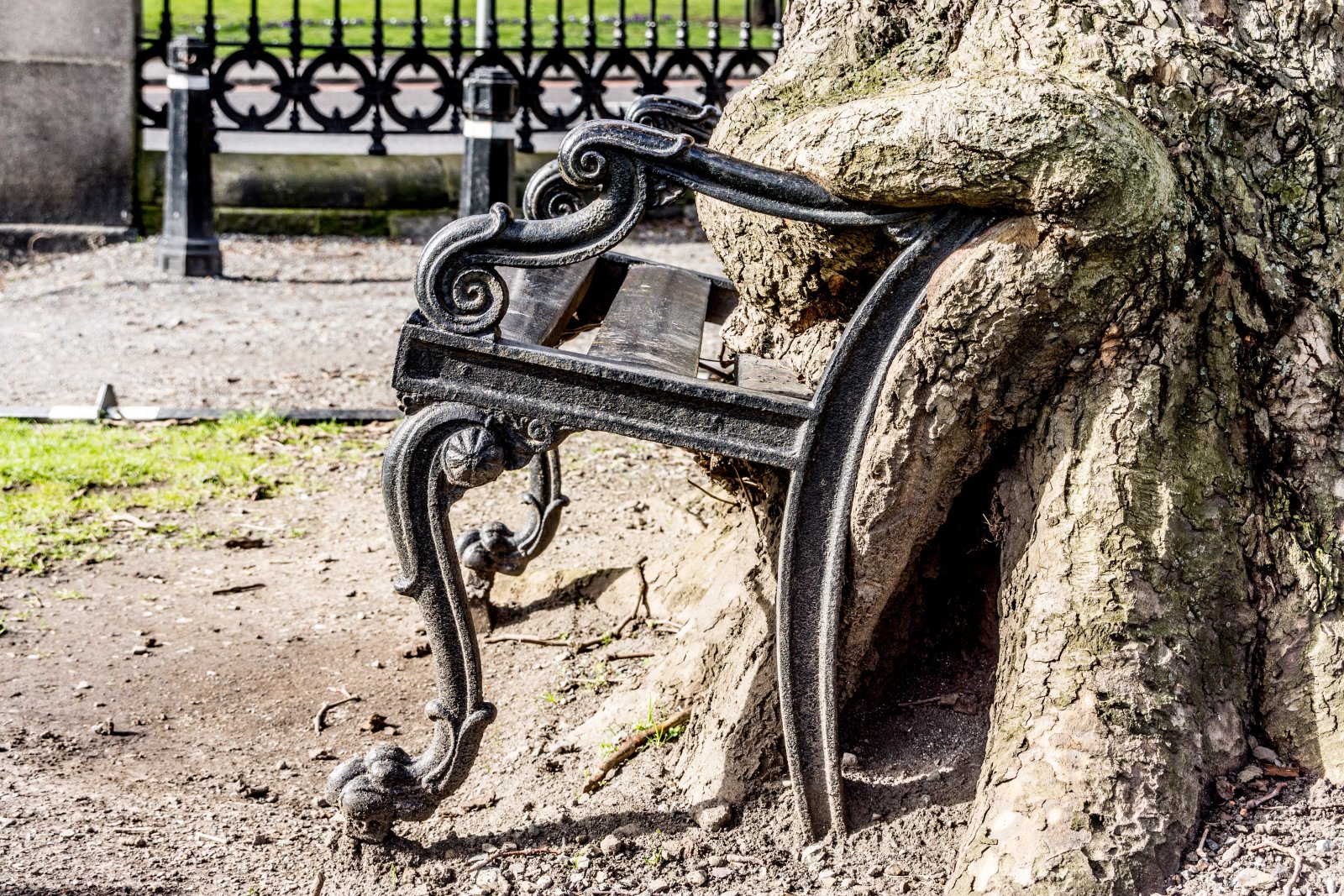
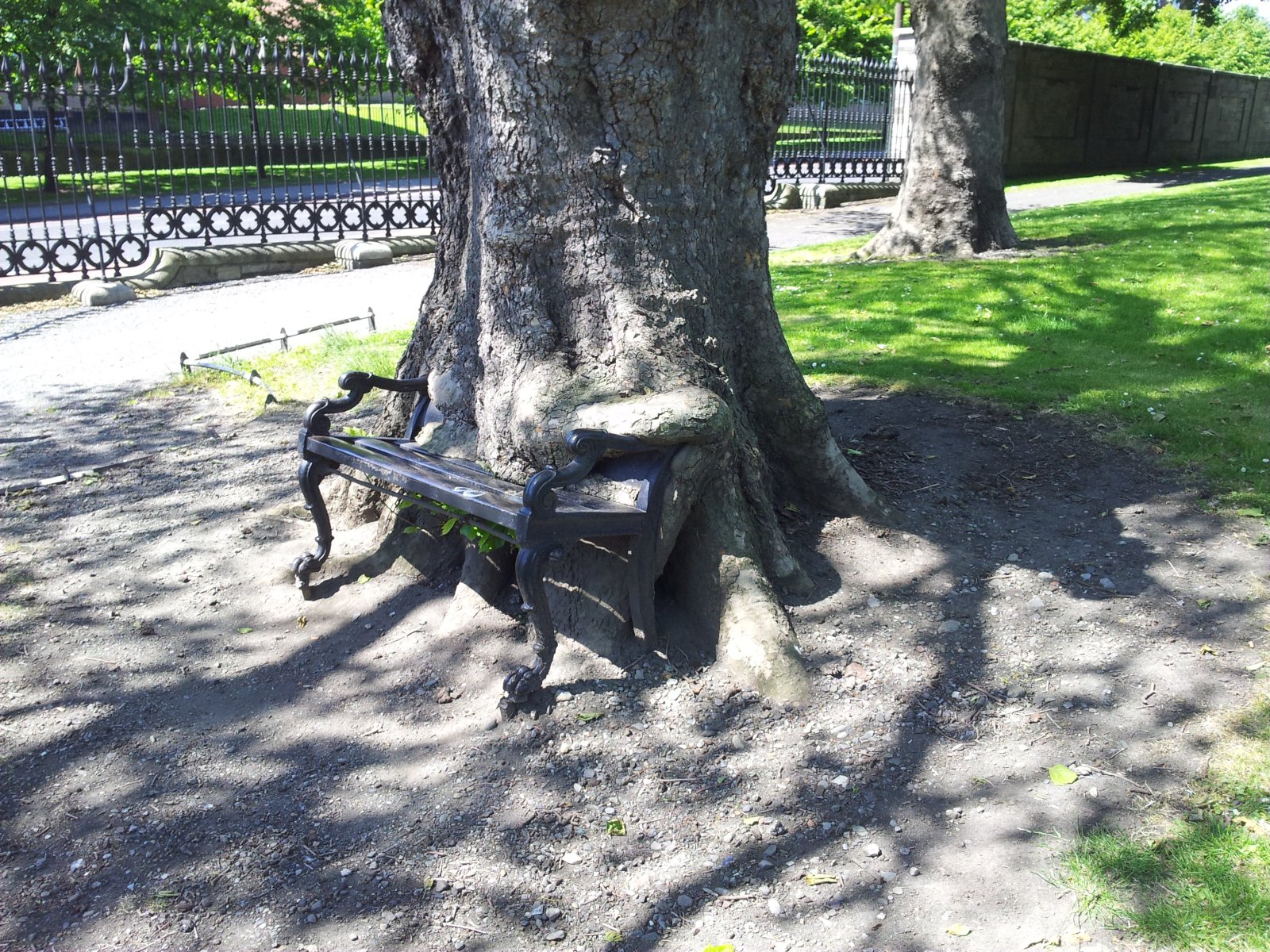
In the heart of Dublin, a city teeming with historical charm and vibrant energy, there stands a peculiar arboreal spectacle that captures the curiosity of all who stumble upon it. This verdant marvel, known as The Hungry Tree, is not your average oak. Nestled within the grounds of the Honorable Society of King’s Inns, this tree has a unique appetite for the inanimate, slowly engulfing a cast iron bench in its relentless embrace. The sight is both whimsical and slightly eerie, a testament to nature's unyielding force and adaptability.
The story of The Hungry Tree begins with the founding of the King’s Inns, Ireland's oldest school of law, established in 1541 by King Henry VIII. The grounds where the tree resides are steeped in history, echoing with the footsteps of notable figures like Daniel O'Connell and Mary Robinson. The building itself, designed by James Gandon in the late 18th century, is a masterpiece of Georgian architecture. Its stately façade and elegant symmetry stand in stark contrast to the untamed vigor of the tree, which has become an unintended work of art over decades.
Dublin’s architectural landscape is a rich tapestry woven with elements from various eras, but the King’s Inns is a standout example of Georgian elegance. Gandon's design was completed in 1806, featuring a grand courtyard and majestic columns that reflect the neoclassical style. This setting provides a fitting backdrop for The Hungry Tree, which, while not purposefully crafted by human hands, has become an artistic symbol in its own right. The sight of metal being consumed by wood is a thought-provoking commentary on the passage of time and the interplay between manmade structures and nature.
The cultural fabric of Dublin is as vibrant as it is diverse. The city is known for its lively traditions and festivals, from the spirited St. Patrick's Day celebrations to the literary homage paid during Bloomsday, in honor of James Joyce’s *Ulysses*. Locals and visitors alike are drawn to the rich storytelling and musical heritage that permeates every corner of the city. The Hungry Tree, while not directly linked to these events, embodies the city's penchant for the whimsical and the quirky, traits that are celebrated in Dublin’s cultural narrative.
No visit to Dublin would be complete without indulging in its culinary delights. The city offers a hearty array of traditional Irish foods that reflect its agricultural roots. Visitors can savor dishes like coddle—a comforting stew of sausages, potatoes, and onions—or the classic Irish soda bread, best enjoyed with a generous spread of creamy butter. For those seeking a drink to complement their meal, a pint of Guinness, brewed right in the heart of the city, is a quintessential Dublin experience. Though The Hungry Tree itself does not offer gastronomic pleasures, it is a short stroll from bustling eateries where such delights await.
Beyond its more obvious charms, The Hungry Tree holds lesser-known curiosities that intrigue the observant visitor. For instance, while the tree's age remains a subject of speculation, its slow yet steady consumption of the bench offers a silent lesson in patience and perseverance. The tree has become a beloved local landmark, often featured in informal walking tours and social media posts, drawing attention to its peculiar beauty. It is a reminder that even in a city as storied as Dublin, surprises await around every corner.
For those planning a visit, the best time to explore this quirky attraction is during the mild months of spring or autumn, when Dublin’s weather is at its most pleasant. Early morning or late afternoon visits offer a quieter experience, allowing for peaceful reflection and uninterrupted photography. As you wander the grounds of the King’s Inns, take a moment to appreciate not just The Hungry Tree, but the serene beauty of the surrounding gardens and the historic splendor of the nearby structures.
In a city renowned for its rich history and cultural vibrancy, The Hungry Tree stands as a testament to the unexpected wonders that lie in wait. It's a reminder of Dublin's unique ability to blend the old with the new, the natural with the manmade, and the serious with the playful. So, whether you're a seasoned traveler or a first-time visitor, make sure to include this charming anomaly in your Dublin itinerary—it’s a sight you won’t soon forget.


