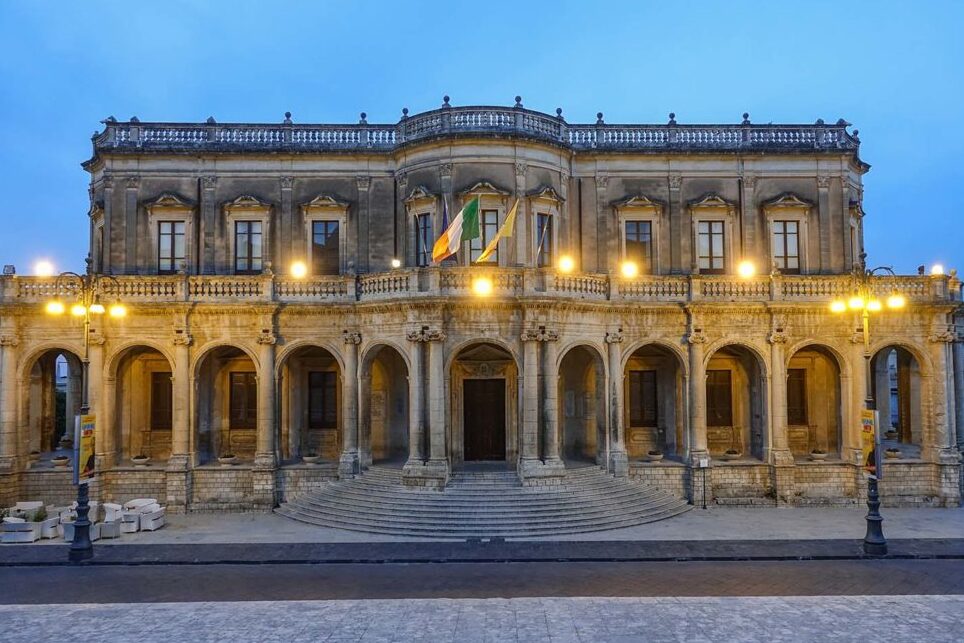

Nestled in the heart of Noto, a city renowned for its Baroque architecture, the Ducezio Palace stands as a testament to the artistic and political history of this enchanting Sicilian town. Built around 1760, this magnificent structure serves as the seat of the Municipality of Noto and embodies the spirit of a city that has flourished through centuries of cultural evolution.
### History and Origins The origins of Ducezio Palace trace back to the late 18th century, during a period when Noto was rapidly recovering from the devastating earthquake of 1693. This seismic event had reshaped much of southeastern Sicily, prompting a revival that led to the construction of some of the most splendid Baroque structures in Europe. Ducezio, the legendary king of the Siculi, is a figure of significance in Noto's history, and the palace commemorates his legacy.
Throughout its existence, the palace has witnessed numerous key historical events. It played a central role during the unification of Italy in the 19th century, becoming a venue for political discussions and community gatherings. Its walls have echoed with the voices of celebrated figures, including Giuseppe Garibaldi, whose telegram is prominently displayed within its grand halls.
### Art and Architecture The architectural style of Ducezio Palace is a stunning example of Sicilian Baroque, characterized by its intricate facades and grandiose interiors. The palace is adorned with a series of elegant columns, decorative friezes, and impressive staircases that lead to the main floors. Above all, the Hall of Mirrors stands out as the centerpiece of the palace, capturing the essence of Noto’s artistic richness.
In this hall, visitors can admire the remarkable fresco by Antonimo Mazza, painted in 1826, which vividly depicts Ducezio himself. The walls are decorated with inscriptions celebrating the splendor of Noto, serving as a reminder of the city’s illustrious past. This hall not only reflects the artistic prowess of its time but also serves as a narrative space for the stories of those who shaped Noto.
### Local Culture and Traditions Noto is not just a city of beautiful architecture; it is a vibrant tapestry of traditions and culture. The annual Infiorata di Noto, held in May, transforms the streets into a stunning display of floral art, celebrating the city’s artistic spirit. During this festival, locals and visitors alike gather to create intricate carpets of flowers, a tradition that draws thousands to the town.
Another significant event is the Feast of Saint Corrado, celebrated in late September. This festival features processions, music, and traditional food, showcasing the local customs that have been preserved through generations. Such events highlight the community's pride in their heritage and the warmth of Sicilian hospitality.
### Gastronomy Food is an integral part of Noto’s culture, and the local cuisine reflects the region's rich agricultural traditions. One must-try dish is Arancini di Riso, deliciously fried rice balls often filled with ragù or peas. Cassatelle, sweet pastries filled with ricotta, are a treat that no visitor should miss.
The local wines, particularly Nero d’Avola, are celebrated for their depth and character, perfectly complementing the flavors of traditional Sicilian dishes. Pairing these wines with a plate of Pasta alla Norma, made with eggplant and ricotta salata, offers a true taste of Noto’s culinary heritage.
### Lesser-Known Curiosities While many visitors are drawn to the grandeur of the Ducezio Palace, few may know about the hidden underground passages that connect the palace to other significant locations in Noto. These tunnels served various purposes throughout history, including as escape routes during times of political unrest.
Additionally, the intricate decorative details found throughout the palace, such as the beautifully crafted coffered ceilings, often go unnoticed but are a testament to the skilled artisans of the time. These subtle elements add depth to the visitor experience, inviting a closer look at the craftsmanship of the era.
### Practical Visitor Information The best time to visit Ducezio Palace and Noto is during the spring and early autumn months when the climate is mild, and festivals abound. Visitors should take the opportunity to explore the palace’s many rooms and appreciate the art and history encapsulated within its walls.
For an enhanced experience, consider joining a guided tour that can provide deeper insights into the historical significance of the palace and the city. Don’t forget to explore the surrounding streets, where every corner offers a glimpse of Noto’s breathtaking Baroque architecture.
In conclusion, the Ducezio Palace is not merely a building but a living piece of Noto’s rich history and culture. Its walls tell tales of resilience, artistry, and community, making it a must-visit for anyone seeking to understand the heart of this extraordinary Sicilian town.
To fully immerse yourself in Noto's charm, consider using the Secret World app to create a personalized itinerary for your visit.
