
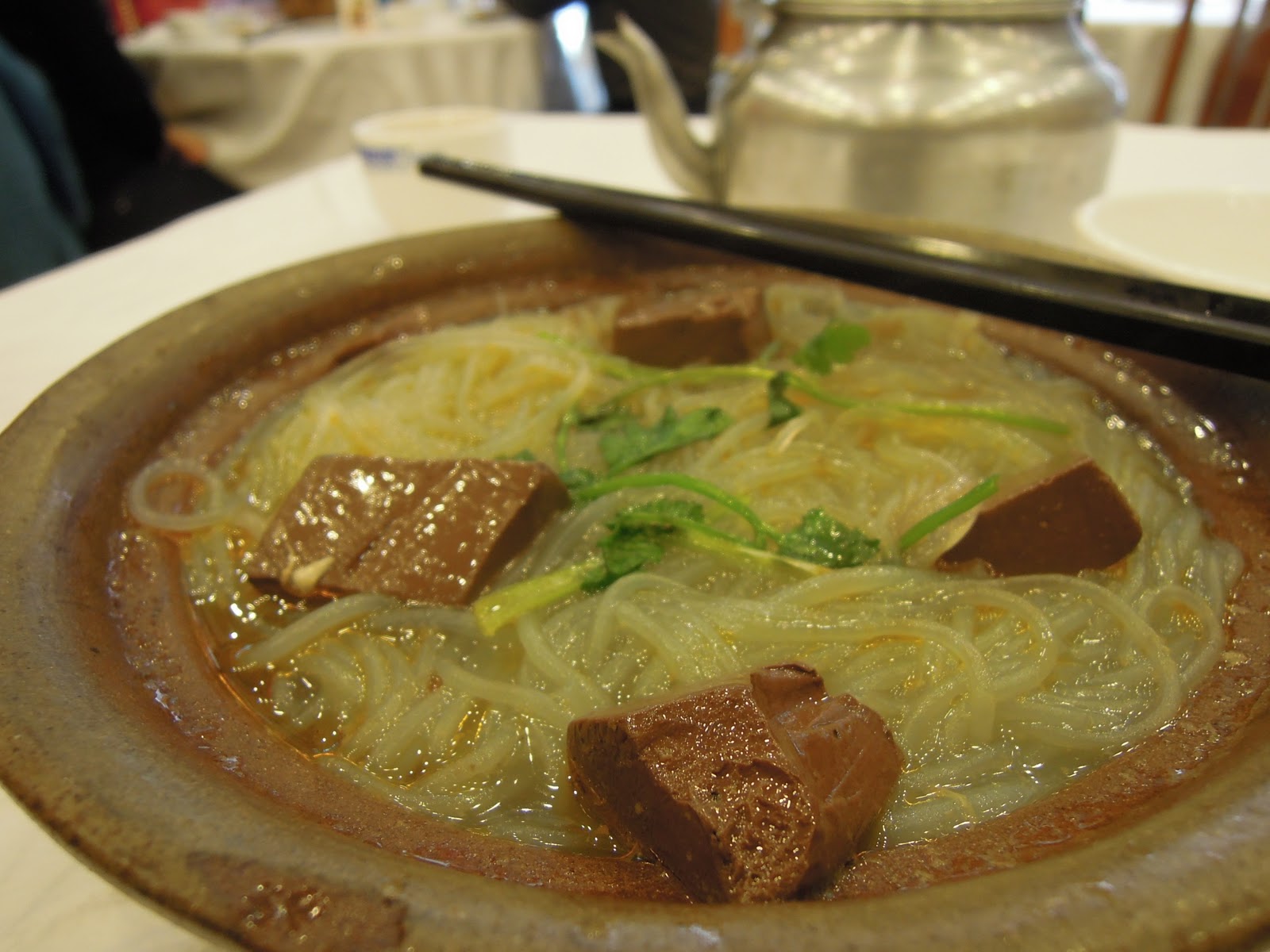

In the heart of Nanjing, known historically as Nanchino, lies a culinary treasure that beckons food lovers and cultural enthusiasts alike: Duck Blood Soup. This unique dish, which marries duck blood, duck-bone stock, and an assortment of ingredients, is not just a meal but a reflection of the city’s rich history and vibrant local culture.
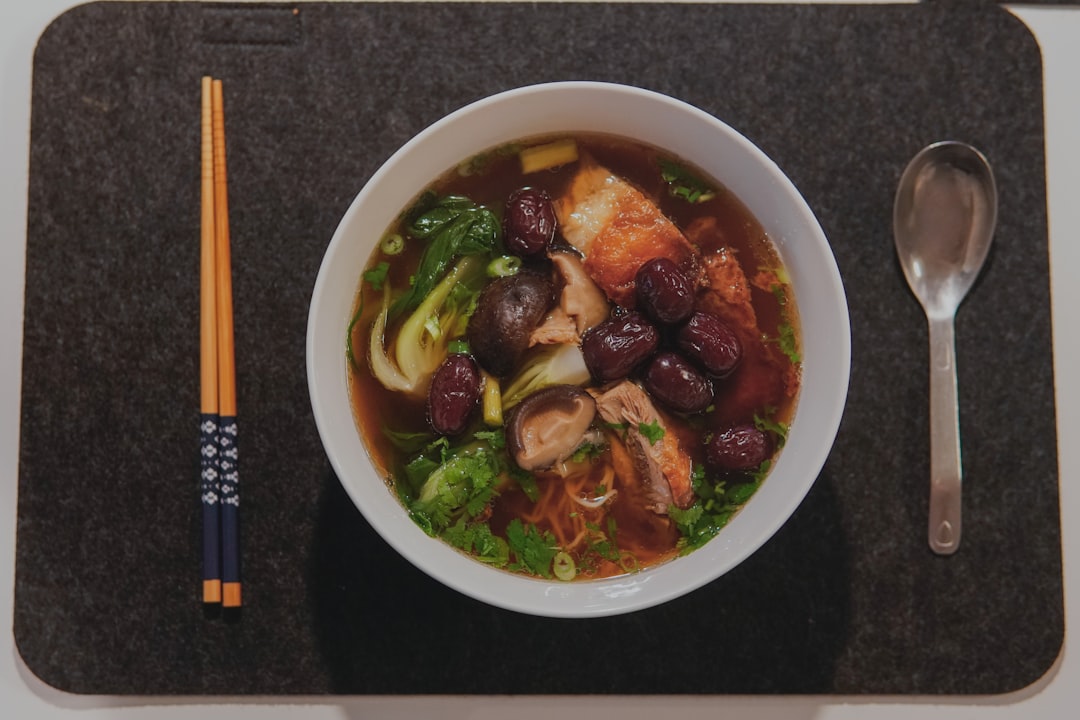
Dating back to the Ming Dynasty, around the 14th century, Duck Blood Soup has its roots intertwined with the dynamic history of Nanjing. Once the capital of China, the city was a bustling hub for trade and cultural exchanges. The dish is believed to have originated from the need to utilize every part of the duck, showcasing the resourcefulness of local cooks who transformed what could be considered waste into a beloved delicacy. Over centuries, it has evolved from a humble street food to a staple in both local eateries and refined restaurants.
Architecturally, Nanjing is a blend of ancient and modern influences. The city boasts stunning structures such as the Ming Xiaoling Mausoleum, which reflects traditional Chinese aesthetics with its intricate carvings and stone pathways. Not far from this historical site, you can find local vendors serving steaming bowls of Duck Blood Soup, where the aroma of spices wafts through the air, drawing in passersby. This juxtaposition of history and gastronomy is a hallmark of Nanjing, where each bowl of soup tells its own story.
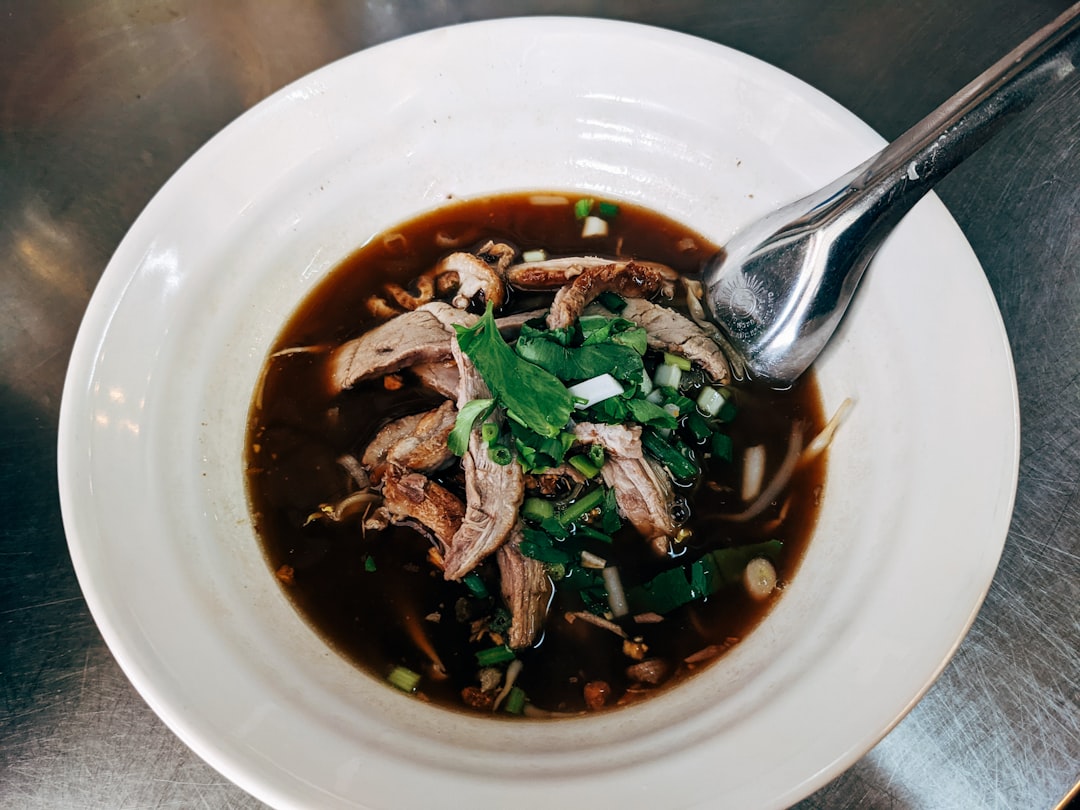
Nanjing’s local culture is vibrant, with festivals that often celebrate its culinary heritage. The Qinhuai Lantern Festival, held in the Qinhuai River area, is particularly noteworthy. During this festival, locals gather to enjoy traditional foods, including Duck Blood Soup, as they admire beautiful lantern displays that illuminate the night sky. Such cultural events emphasize the community's deep connection to its culinary traditions, making the consumption of Duck Blood Soup a shared experience that brings people together.
Beyond duck blood, Nanjing’s gastronomy is rich and diverse. The city is famed for its salted duck, which has a savory flavor that pairs wonderfully with the lightness of Duck Blood Soup. Additionally, you might encounter Nanjing-style dumplings and the famous stinky tofu – a dish that is as divisive as it is popular. Local tea houses offer Yuhua tea, known for its refreshing taste and health benefits, making it the perfect accompaniment to the hearty soup.
For those with a curious palate, there are lesser-known stories surrounding Duck Blood Soup that enhance its allure. One tale suggests that the dish was once favored by the scholar-officials of the Ming Dynasty, who believed that consuming duck blood would enhance their intellectual prowess. Another fun fact is that Duck Blood Soup is often enjoyed throughout the day; it is not uncommon to see locals savoring their bowls in the early morning, during lunch breaks, or late at night after a long day.
Visitors looking to explore Nanjing and its culinary offerings should consider the best time to visit, which aligns with the spring and autumn months (March to May and September to November). During these seasons, the weather is mild, making it ideal for wandering through bustling markets and historical sites. To truly savor the experience, seek out local eateries away from tourist traps; Xinjiekou and Fuzimiao neighborhoods are great areas to start your culinary adventure.
When in Nanjing, be sure to look for the unique texture of the duck blood, which resembles bean curd—succulent and tender. Pair it with deep-fried tofu, vermicelli, and an assortment of duck organs for a complete experience. The warmth of the soup, combined with its rich flavor profile, creates a comforting dish that resonates with both locals and visitors.
In conclusion, Duck Blood Soup is more than just a meal; it is a window into the soul of Nanjing, reflecting the city’s history, culture, and culinary artistry. To fully appreciate this gem, consider using the Secret World app to craft a personalized itinerary that immerses you in the flavors and stories of Nanjing.


