
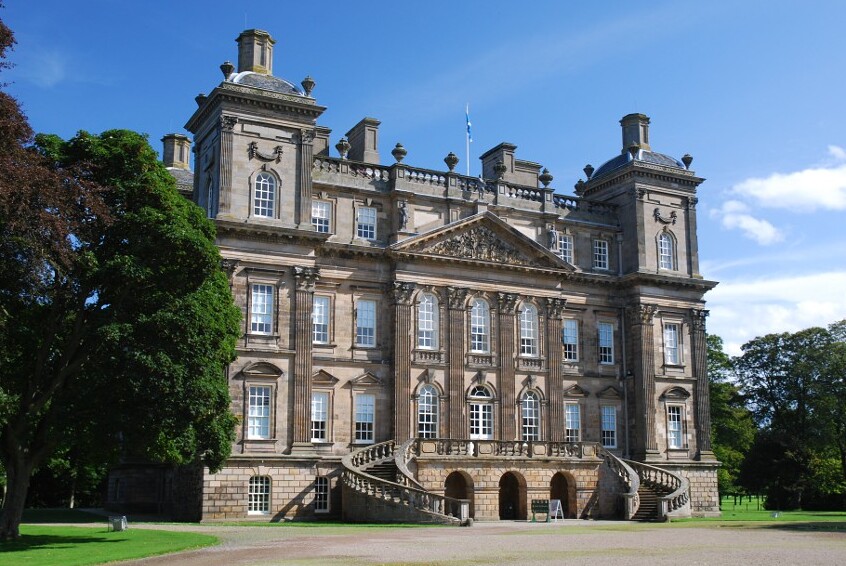

Nestled in the serene landscape of Banff, Scotland, Duff House stands as a testament to the grandeur of Georgian architecture and the rich tapestry of Scottish history. This majestic estate, crafted by the celebrated architect William Adam in the early 18th century, invites visitors into a world where art and history intertwine.
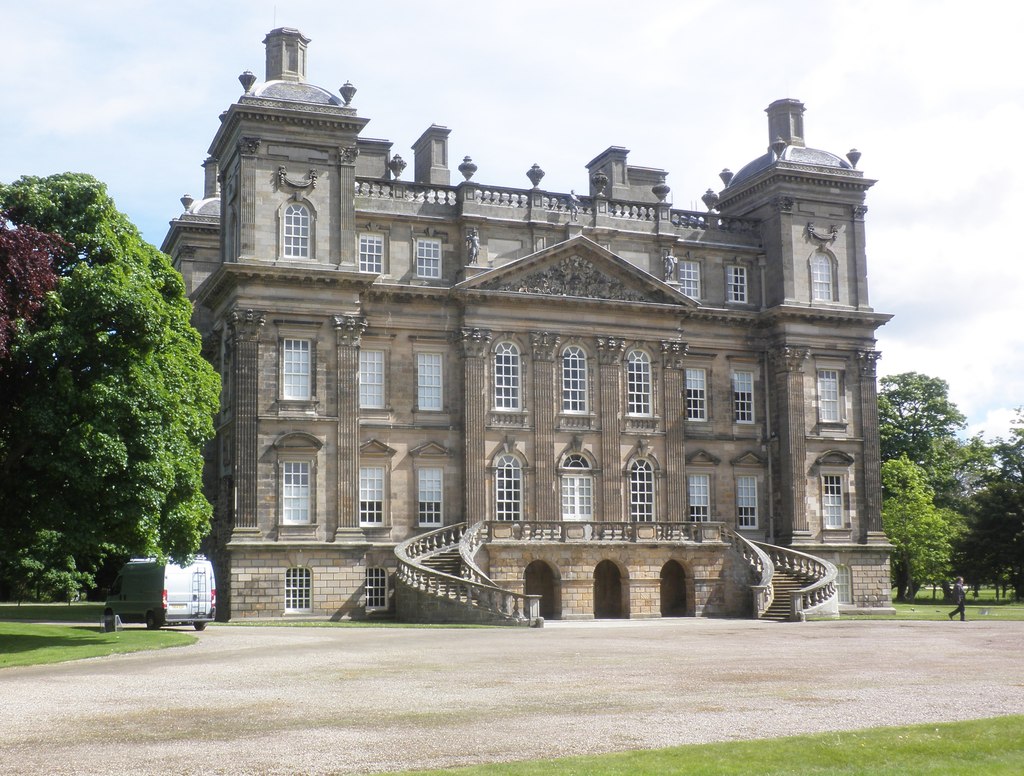
Duff House's origins date back to 1735, commissioned by William Duff, the first Earl of Fife. The design was a bold statement of power and prestige, intended to affirm Duff's social standing. However, the building's history is marked by a turbulent past. Initially intended as a family home, it was embroiled in disputes between William Duff and Adam, leading to construction delays. The house was finally completed in 1740, after which it witnessed various transformations—from a stately home to a sanatorium, and later a prisoner of war camp during World War II. Each chapter in its history adds layers to its character, making it a living chronicle of Scotland's past.
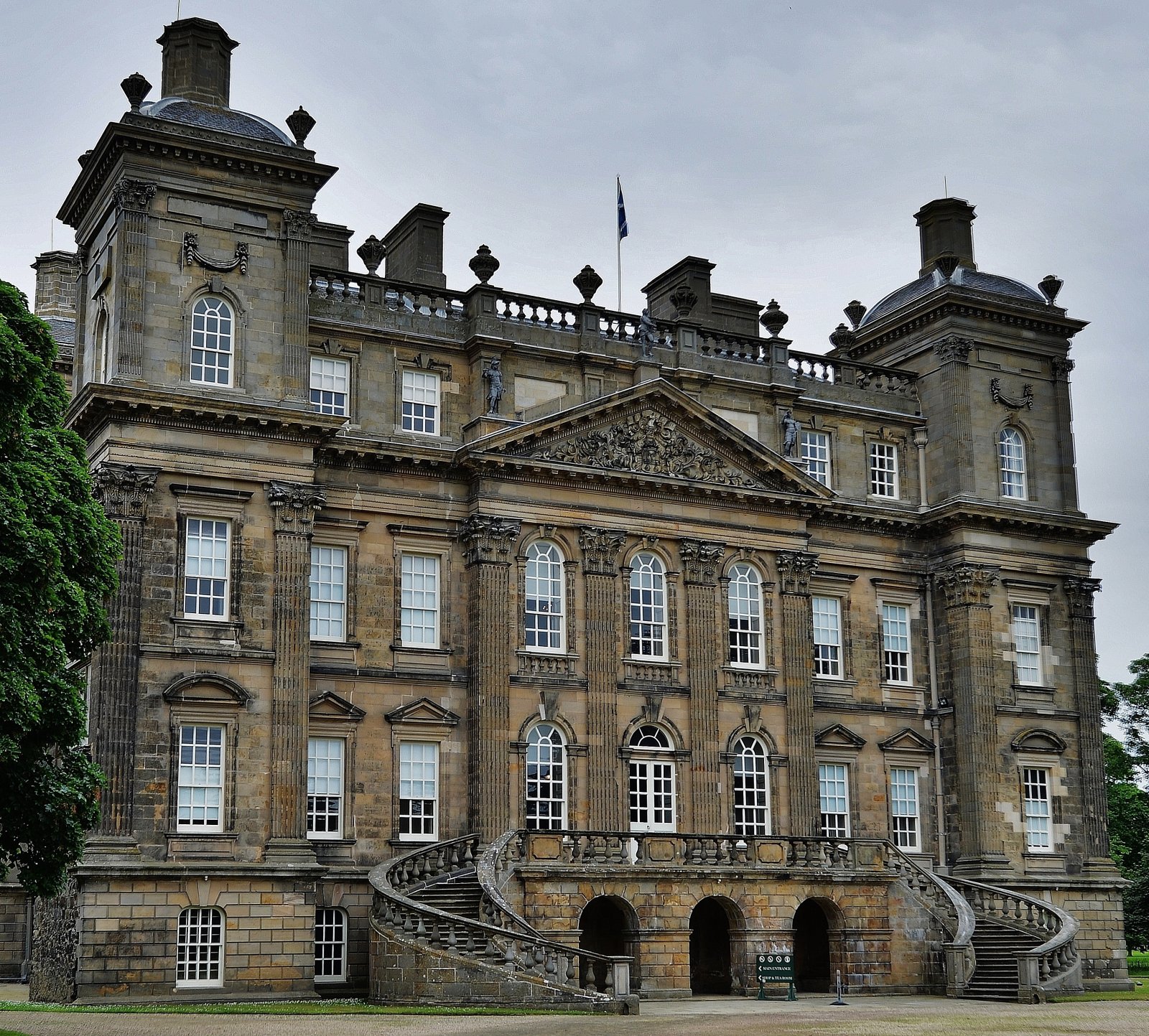
The architectural brilliance of Duff House is undeniable. William Adam's design is a masterpiece of Palladian style, characterized by symmetry and classical proportions. The exterior is adorned with ornate stone carvings and grand facades that reflect the opulence of the Georgian era. Inside, the house is a treasure trove of art, managed in collaboration with the National Galleries of Scotland. Visitors can marvel at works by renowned artists such as El Greco and Thomas Gainsborough, which are displayed within rooms that retain their original grandeur. The interplay of art and architecture creates an immersive experience, drawing guests into a bygone era of elegance and refinement.
Beyond its walls, Duff House is deeply embedded in the cultural fabric of Banffshire. The local community celebrates a rich tradition of festivals and customs that reflect the area's heritage. The Banff and Macduff Arts Festival, held annually, showcases local talent and brings the community together in a celebration of music, dance, and storytelling. This cultural vibrancy extends to the everyday life of Banff, where the warmth and hospitality of the locals are as much a part of the experience as the historical sites themselves.
No visit to Duff House would be complete without indulging in the region's gastronomy. The cuisine of Banffshire is a delightful exploration of flavors, heavily influenced by the bounty of the North Sea. Visitors should try Cullen skink, a hearty soup made from smoked haddock, potatoes, and onions, offering a taste of traditional Scottish comfort food. For those with a sweet tooth, buttery, a rich, flaky pastry, is a local favorite, perfect for a quick snack during a day of exploration.
Duff House also holds a few secrets and curiosities that often escape the casual visitor. For instance, the estate's grounds are home to a small, hidden mausoleum, a spot of quiet reflection and mystery. Moreover, the surrounding woodlands are rich in biodiversity, offering enchanting nature trails that reveal the area's natural beauty. These trails are less frequented, providing a peaceful escape for those seeking solitude amidst the splendor of nature.
For travelers planning a visit, the best time to explore Duff House is during the late spring and summer months, from May to September, when the weather is mild and the gardens are in full bloom. The house is open year-round, but checking for any seasonal exhibitions or events can enhance the experience. To truly appreciate the house's artistic offerings, consider joining a guided tour, as knowledgeable guides can provide insights into the history and stories behind the artworks.
In essence, Duff House is more than just a historical estate; it is a gateway to understanding the cultural and artistic heritage of Scotland. Each visit uncovers new stories and experiences, making it an essential destination for anyone keen to explore the depths of Scottish history and art.


