
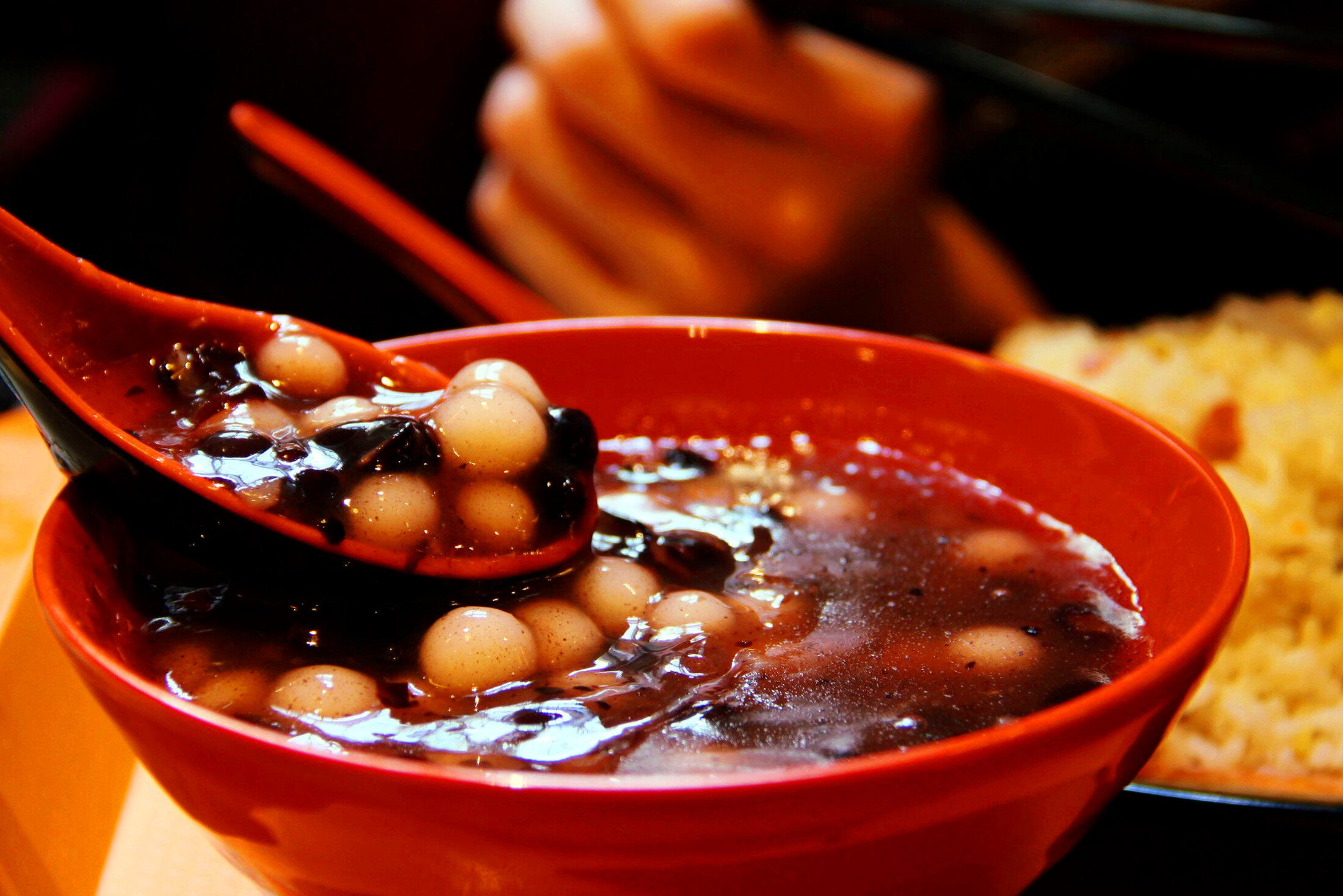

Nestled in the heart of Nanjing, a city known for its profound historical and cultural significance, lies a culinary gem that captures the essence of Chinese tradition: dumplings in red-bean soup. This delectable dessert is not just a treat for the palate but a symbol of familial bonds and cultural heritage.
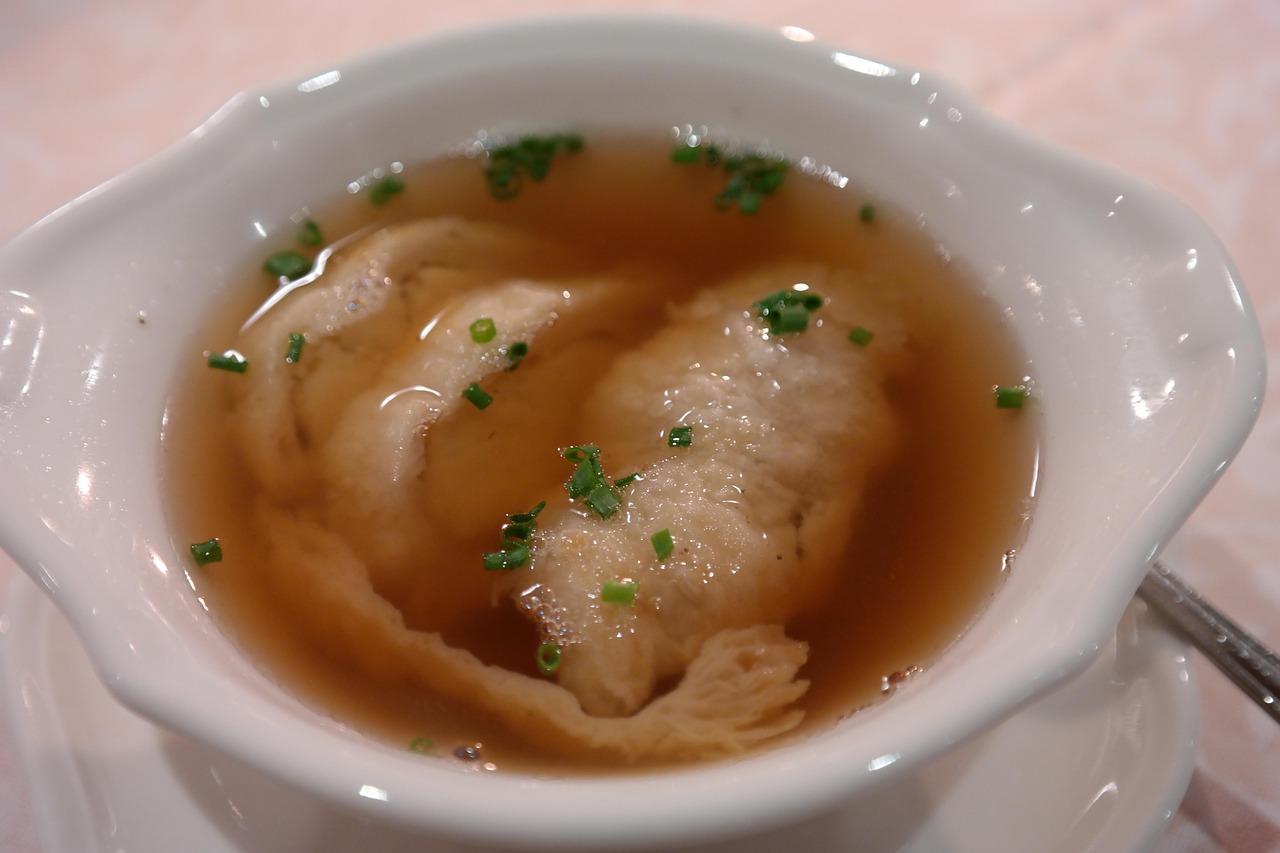
The origins of this dessert can be traced back to the Tang Dynasty (618-907 AD), a time when culinary arts flourished as much as literature and poetry. The Tang era was a golden age for China, and the fusion of flavors in this sweet dish reflects the innovative spirit of that period. The combination of glutinous rice dumplings, known locally as tangyuan, with the sweetness of red bean paste creates a harmonious blend that has been cherished across centuries. The inclusion of osmanthus honey, a fragrant addition, not only enhances the taste but also connects the dish to the local flora, as the osmanthus flower is native to the Jiangsu province.
Nanjing, besides its delectable cuisine, is a treasure trove of rich history and stunning architecture. The city served as the capital during several important dynasties, including the Ming Dynasty (1368-1644 AD), and its historical significance is palpable in its architecture. The majestic City Wall of Nanjing, constructed during the Ming era, stands as a testament to the city’s strategic importance. Crafted from bricks marked with the names of the workers and supervisors, this wall is a marvel of ancient engineering and a symbol of the city's resilience and strength.
The local culture of Nanjing is steeped in tradition, with festivals that celebrate both seasonal changes and historical events. The Lantern Festival, which marks the end of the Chinese New Year celebrations, is particularly significant. During this festival, tangyuan are traditionally consumed, embodying the spirit of unity and family reunion. It is during these times that the streets of Nanjing come alive with vibrant displays of lanterns, music, and dance, offering a sensory feast to both locals and visitors.
Nanjing’s gastronomic scene goes beyond the famed red-bean soup. The city is known for its Nanjing Salted Duck, a must-try delicacy that has been perfected over centuries. This dish showcases the region's ability to balance flavors with precision, using a subtle mix of spices to enhance the natural taste of the duck. Pair this with a cup of Yuhua Tea, a local green tea known for its delicate aroma, and you have a meal that captures the essence of Nanjing’s culinary artistry.
While many visitors stick to the well-trodden paths of Nanjing, there are hidden stories and places that often go unnoticed. Few realize that Nanjing was once home to Sun Yat-sen, the founding father of modern China. His mausoleum, located on the Purple Mountain, offers not only a glimpse into the life of a revolutionary leader but also panoramic views of the city that are truly breathtaking. Additionally, the Jiming Temple, a Buddhist temple with origins dating back to the 3rd century, offers a serene escape with its tranquil gardens and ancient structures.
For those planning a visit, the best time to experience Nanjing is during the spring months of March to May. The city's gardens and parks burst into color with blooming flowers, and the weather is comfortably mild. When exploring the local dining scene, look for eateries that use traditional methods to prepare dishes, as these places often offer the most authentic flavors. Engaging with locals, whether through a shared meal or a casual conversation, can provide deeper insights into the city’s rich cultural tapestry.
In the end, Nanjing is a city that embodies the spirit of its past while embracing the present. Whether through its historic landmarks, vibrant festivals, or its comforting bowl of dumplings in red-bean soup, it offers a journey through time and taste that is both enriching and unforgettable.


