
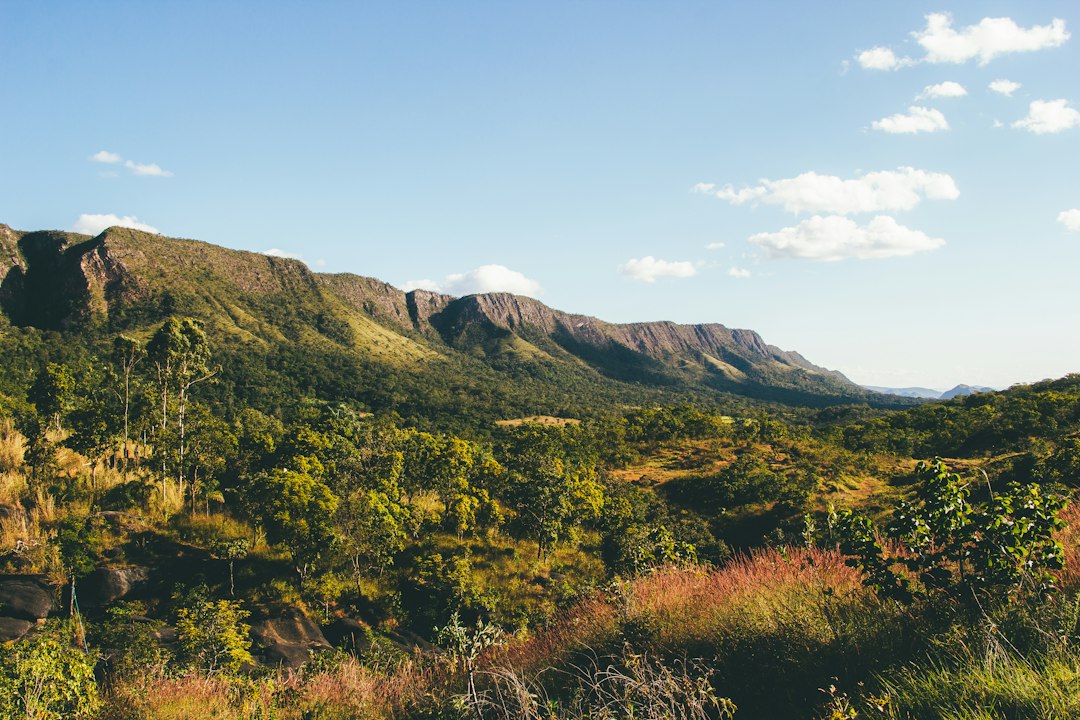

At dawn, when the temperature drops below zero and the wind blows sharply across the plateau, the geysers of Sol de Mañana erupt, projecting columns of steam and boiling mud towards a still dark sky. We are at over 4,800 meters above sea level, in the heart of the Eduardo Abaroa National Wildlife Reserve, in the southwest of Bolivia, near the borders with Chile and Argentina. It is a spectacle that requires no filters or interpretations: the earth here is alive, restless, and it demonstrates this every morning without exception.
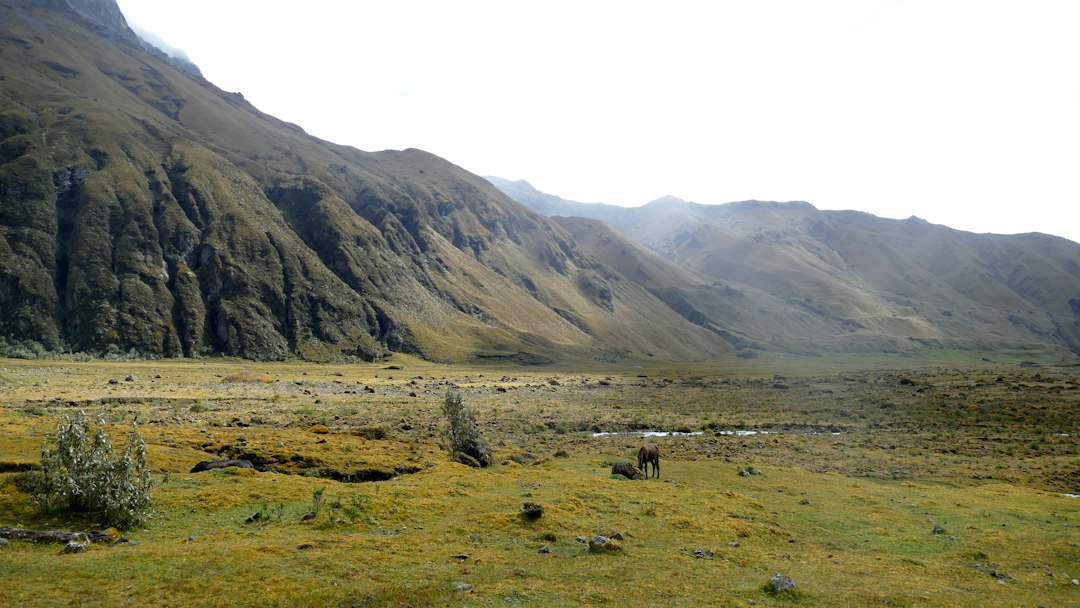
The reserve is named after Eduardo Abaroa, a Bolivian national hero of the Pacific War, and was established in 1973. It covers approximately 714,745 hectares in the Potosí region, in the Sur Lípez department, and represents one of the most intact high-altitude ecosystems on the entire South American continent. The landscape changes continuously: colorful lagoons, salt deserts, extinct volcanoes, and stretches of wind-shaped rocks alternate in a path that seems to belong to another planet.
The volcanic lagoons and their impossible colors
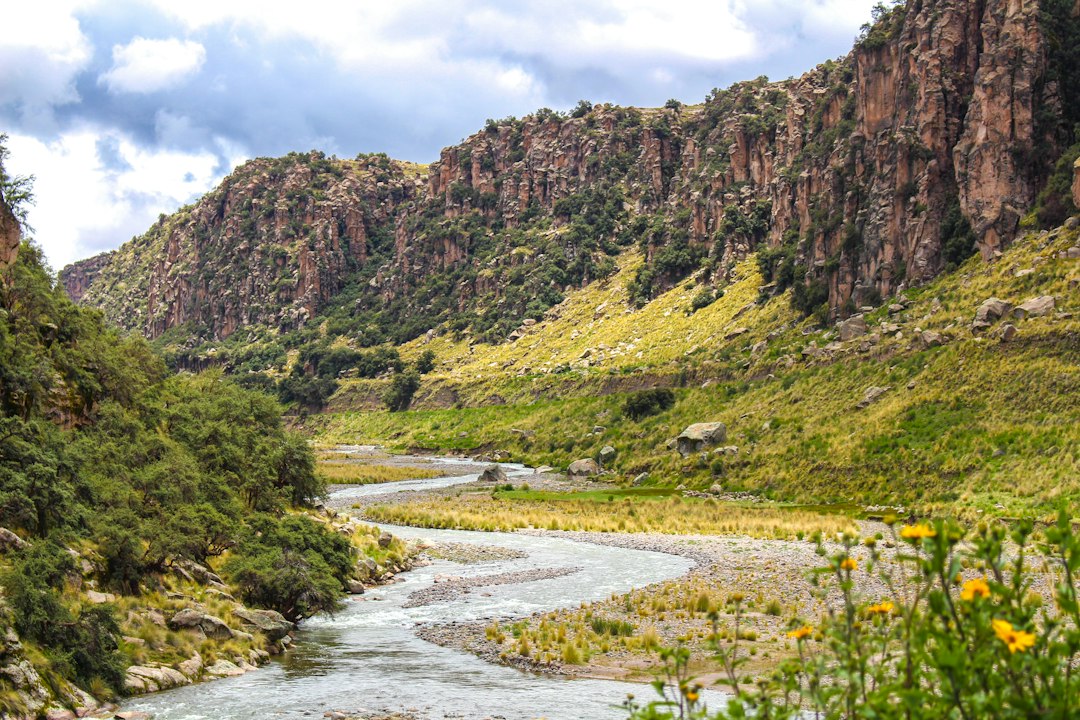
The Colorada Lagoon is probably the most iconic image of the reserve. Located at about 4,278 meters above sea level, its intense red color is due to the presence of algae and iron-rich mineral sediments. It is not a retouched photograph: the red is real, and it contrasts with the white borax deposits that emerge from the surface like ghost islands. The lagoon covers an area of about 60 square kilometers and is one of the few places in the world where this natural color combination can be observed.
Not far away is the Green Lagoon, on the border with Chile, at the foot of the Licancabur volcano which reaches 5,916 meters. The emerald green color of the water is caused by the presence of dissolved arsenic, magnesium, and calcium. The lagoon is cold and does not host aquatic fauna, but its visual beauty is absolute, especially in the morning hours when the wind has not yet rippled the surface and the reflection of the volcano is perfect.
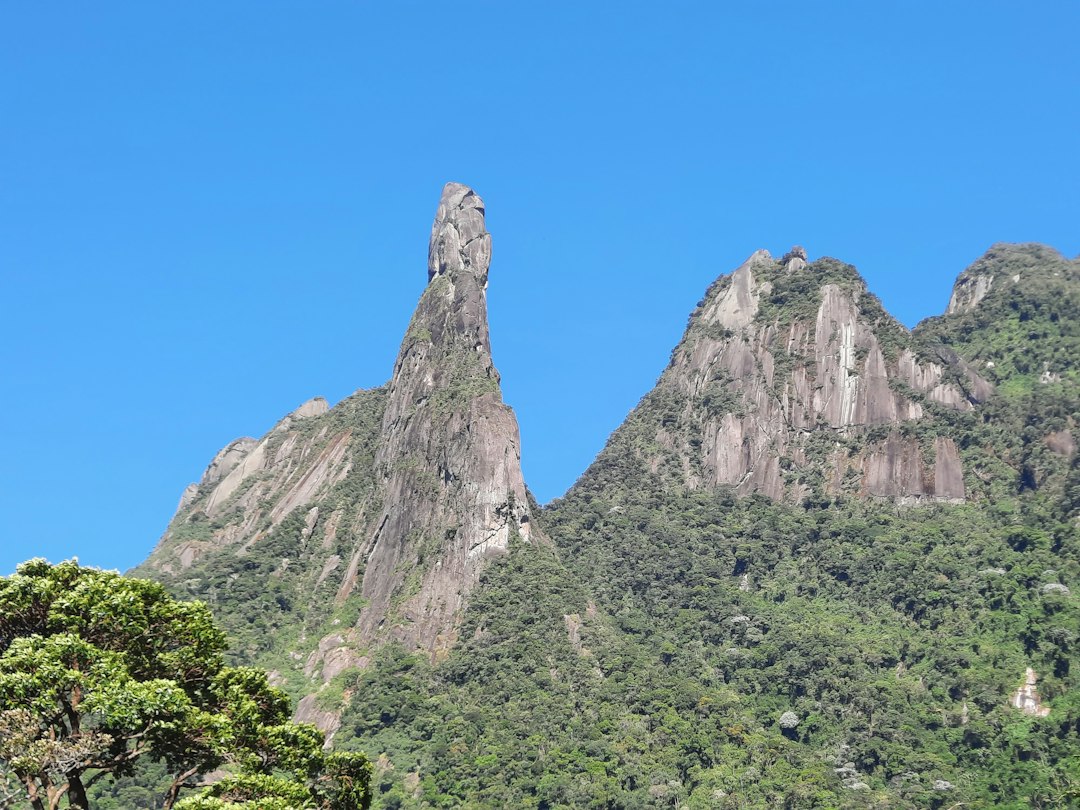
The fauna: flamingos and vicuñas at impossible altitude
The reserve hosts three of the six species of flamingo existing in the world: the Andean flamingo (Phoenicoparrus andinus), the James's flamingo (Phoenicoparrus jamesi), and the Chilean flamingo (Phoenicopterus chilensis). The colonies nest mainly on the Laguna Colorada, and in the months between November and February, it is possible to observe thousands of specimens simultaneously. The James's flamingo, in particular, is considered a vulnerable species, and the reserve is one of its main breeding habitats.
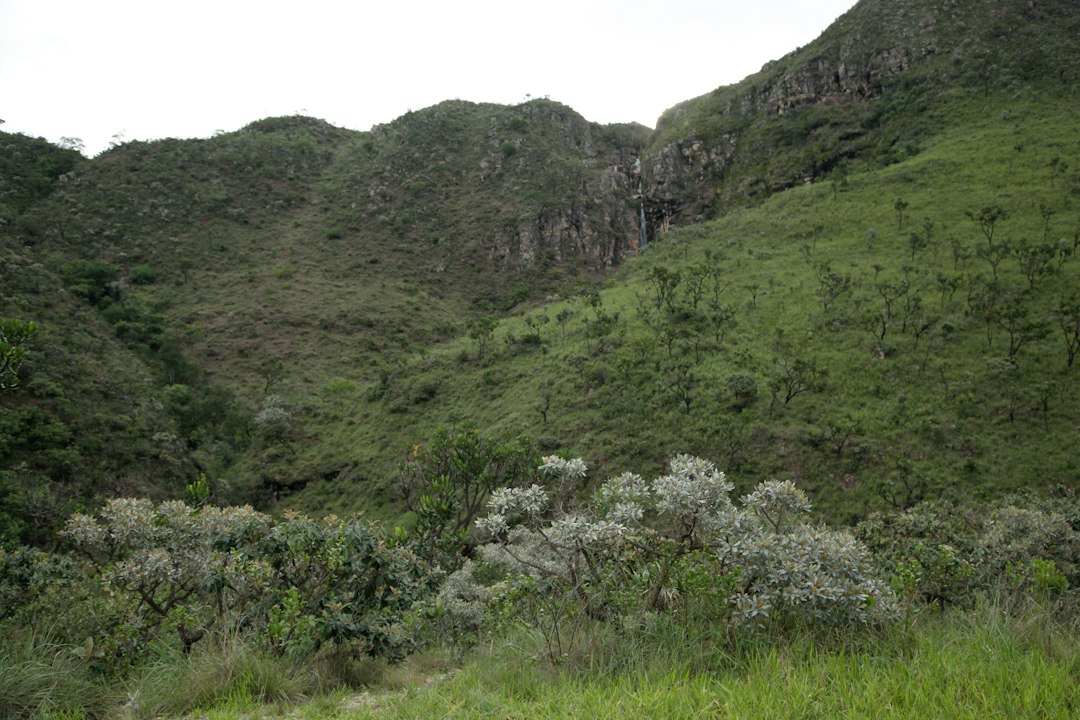
In addition to the flamingos, the high plateau hosts numerous groups of vicuñas, the wild camelids of the Andes, which move in herds among the puna bushes. It is not uncommon to encounter them along the dirt road that crosses the reserve. More difficult to spot but present in the area is the suri, the Andean rhea, a flightless bird that can reach almost one and a half meters in height. The fauna of the reserve has adapted to extreme conditions: temperatures ranging from -20°C at night to 15°C during the day, thin air, constant wind.
The geysers and the lunar landscape
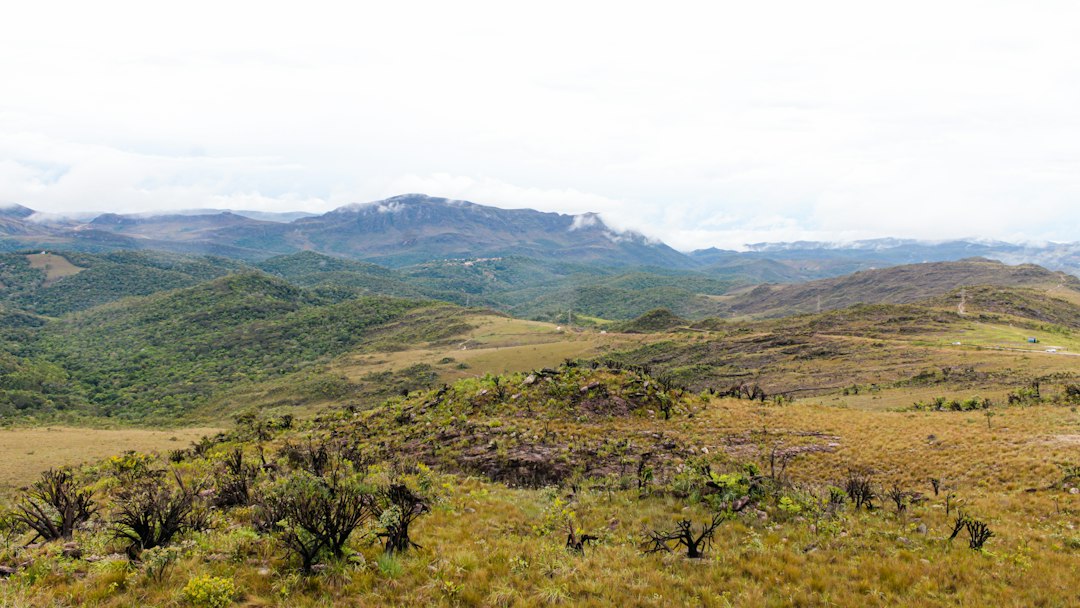
The geothermal field of Sol de Mañana is active at about 4,850 meters above sea level and represents one of the most accessible high-altitude geyser fields in the world. At dawn, when the temperature difference between the ground and the air is at its maximum, the activity is more intense: the geysers erupt steam, mud, and sulfur unpredictably, and the smell of sulfur permeates the air. The ground around is unstable and colored yellow and orange due to mineral deposits. Walking too close to the edges of the fumaroles is dangerous: the surface crust can give way.
Not far from the geysers are the Termas de Polques, natural hot springs with temperatures around 30°C, where some visitors bathe despite the cold outside. The experience of bathing at almost 5,000 meters above sea level, surrounded by a desert and volcanic landscape, is hard to describe rationally.
Practical tips for visiting the reserve
The reserve is visited almost exclusively with organized three-day jeep tours departing from Uyuni, the nearest city with regular connections. The entrance ticket to the reserve costs about 150 bolivianos for foreign visitors, to be paid at the checkpoint upon entry. The best time to visit is from May to November, during the dry season, when the dirt roads are more passable and the lagoons are not covered in snow.
Altitude is the main challenge: altitude sickness affects many visitors, even those who are already acclimatized. It is advisable to spend at least two nights in Uyuni or Tupiza before entering the reserve, and to bring specific medications such as acetazolamide, to be taken on medical advice. The accommodations within the reserve are basic, often without heating and with limited electricity: bringing a sleeping bag suitable for low temperatures is essential, not optional.


