
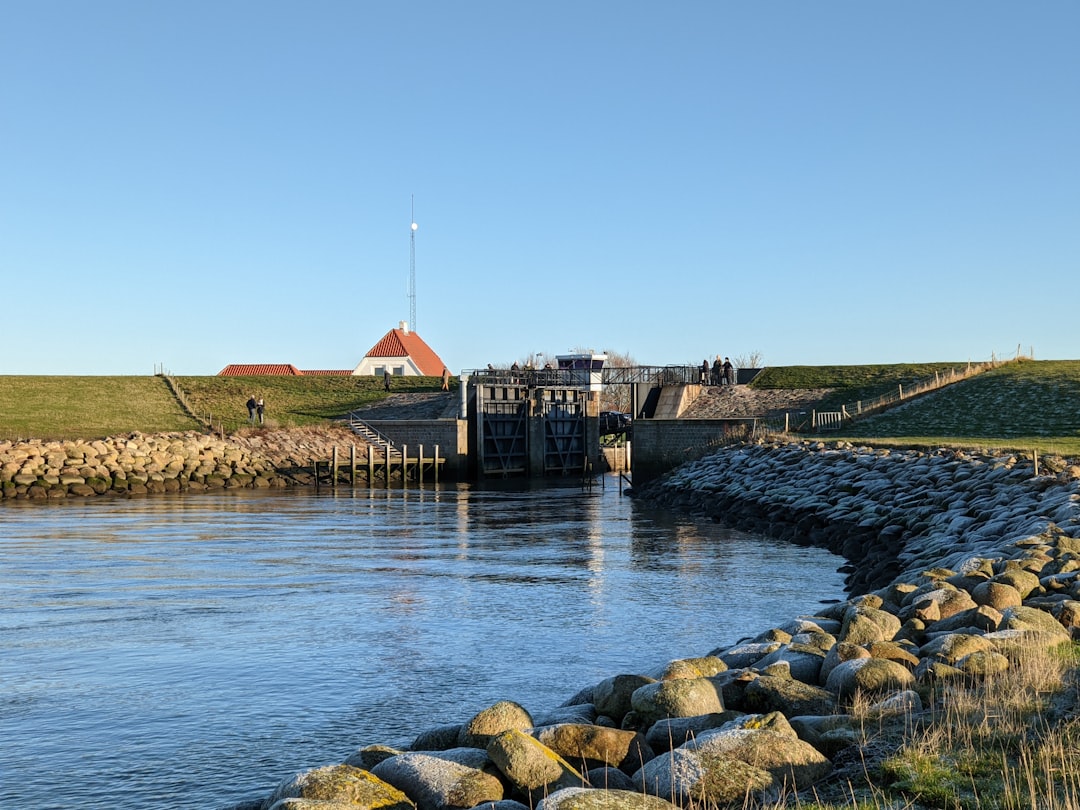

Immersed in the tranquility of the Danish countryside, Egehøj is a mound that tells stories of past eras and ancient traditions. Located in the municipality of Norddjurs, this protected monument represents an important archaeological site that attracts the attention of historians and culture enthusiasts. Its position, at approximately 56.5001167 latitude and 10.7357738 longitude, places it in a context of great natural beauty, where history intertwines with the landscape.
The Egehøj mound is a significant example of the funerary practices of prehistoric times in Denmark, a place where it is believed that the deceased were honored and commemorated. Its presence in the Danish territory not only enriches the historical knowledge of the region but also offers a unique opportunity to explore the cultural roots of this fascinating country.
History and origins
Egehøj is classified as a mound, a type of burial that dates back to ancient times when prehistoric communities engaged in complex funerary rituals. Although specific details about the origins of the mound are not available, its protection as an ancient monument in Denmark underscores the historical and cultural importance it holds. This mound has witnessed centuries of history, reflecting the funerary practices and spiritual beliefs of the populations that inhabited these lands.
The discovery and preservation of Egehøj are essential for understanding the social and religious dynamics of past Danish communities. Each mound, like Egehøj, offers clues about how people lived, died, and celebrated life, transforming the landscape into an open history book for those who wish to explore it.


