
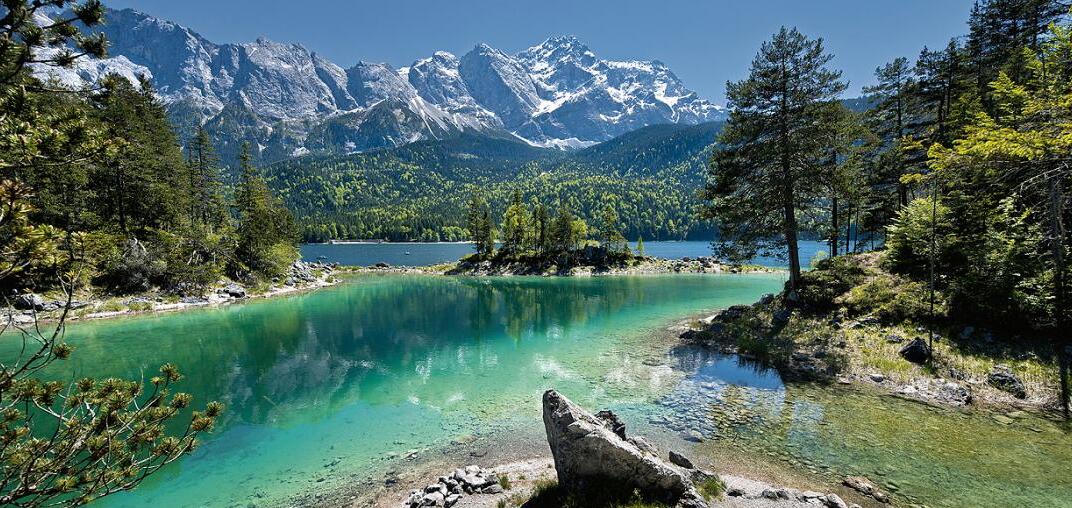

Nestled at the foot of Germany's highest peak, the Zugspitze, Eibsee Lake is a gem of natural beauty and cultural richness. Its crystal-clear waters, reflecting the dramatic Alpine scenery, make it a destination that captures the imagination. Every season unveils a new facet of its splendor, from the lush greens of summer to the serene whites of winter.
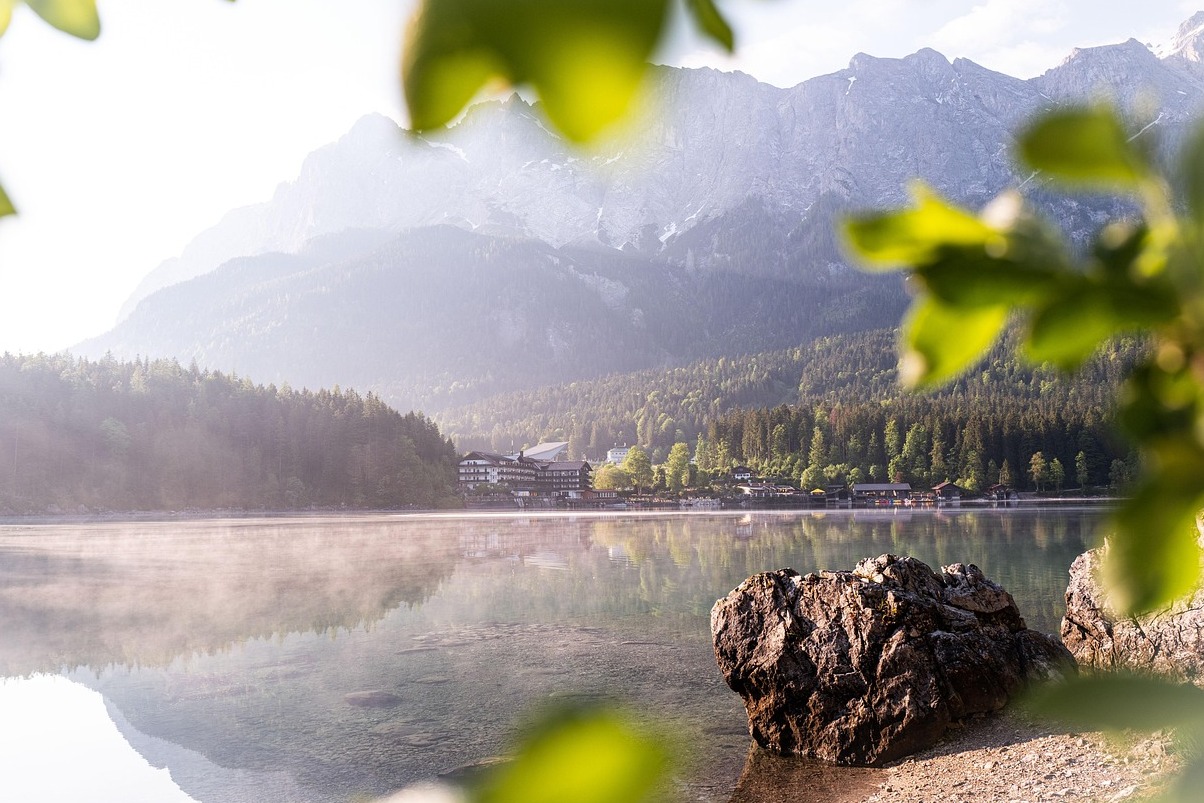
Eibsee's history is as captivating as its landscape. The lake was formed approximately 3,500 years ago due to a massive rockfall from the Zugspitze massif, a result of glacial movements that carved out its basin. The surrounding area has been a hub for human activity for centuries. Though not steeped in ancient ruins, the region's history is deeply connected to the development of the nearby village of Grainau. In the 19th century, Eibsee became a favored spot for Bavarian royalty and the elite, who were drawn to its natural beauty and tranquility.
While Eibsee itself may lack grand architectural landmarks, its surrounding area tells a story of Bavarian architectural charm. The nearby village of Grainau showcases traditional Alpine architecture with its picturesque chalets adorned with intricate woodwork and vibrant frescoes. The influence of this architectural style reflects the harmonious blend of human habitation with the natural landscape, a testament to the region's cultural commitment to preserving its heritage.
Cultural traditions in the Eibsee region are vibrant and deeply rooted. The area hosts several festivals that celebrate Bavarian customs. One such event is the Grainau Village Festival, held annually, where locals don traditional attire known as Tracht. This festival is a vibrant display of local music, dance, and culinary delights, offering visitors a glimpse into the region's cultural fabric. The Almabtrieb, a traditional cattle drive marking the end of summer, is another highlight, attracting visitors eager to witness this age-old procession.
Gastronomy in the Eibsee area is a delightful exploration of Bavarian flavors. Visitors can savor hearty dishes such as Schweinshaxe (roasted pork knuckle) and Käsespätzle (a cheesy noodle dish), often accompanied by locally brewed beers. The nearby Garmisch-Partenkirchen area is famous for its Weißwurst (Bavarian white sausages) traditionally enjoyed with pretzels and sweet mustard. For those with a sweet tooth, the local Apfelstrudel is a must-try, offering a taste of the region's culinary artistry.
Beyond its obvious beauty, Eibsee holds several lesser-known curiosities. The lake is dotted with eight small islands, each with its own unique ecosystem. The largest, Almbichl, is accessible by boat and offers a secluded retreat for explorers. Another intriguing aspect is the lake's mysterious underwater forest, remnants of ancient trees submerged over millennia, now a fascination for divers. These hidden aspects of Eibsee add layers to its allure, offering more than just surface beauty.
For visitors, the best time to visit Eibsee depends on their interests. Summer is ideal for hiking and swimming, with trails like the Eibsee Rundweg providing stunning views. Autumn offers a vibrant tapestry of colors, while winter transforms the lake into a snow-covered wonderland perfect for skiing and snowshoeing. Spring brings a refreshing thaw, ideal for exploring the burgeoning flora.
When planning a visit, it's wise to start early in the day to avoid crowds, particularly in peak seasons. The Eibsee-Seilbahn cable car offers a breathtaking ride up to the Zugspitze, providing panoramic views that are not to be missed. It's also worth exploring the nearby Höllentalklamm, a dramatic gorge with a series of waterfalls and rugged trails.
Whether you're an adventurer, a history enthusiast, or simply in search of tranquility, Eibsee Lake offers a captivating experience. Each visit unveils new stories and sights, ensuring that this Alpine treasure leaves a lasting impression on all who venture to its shores.


