
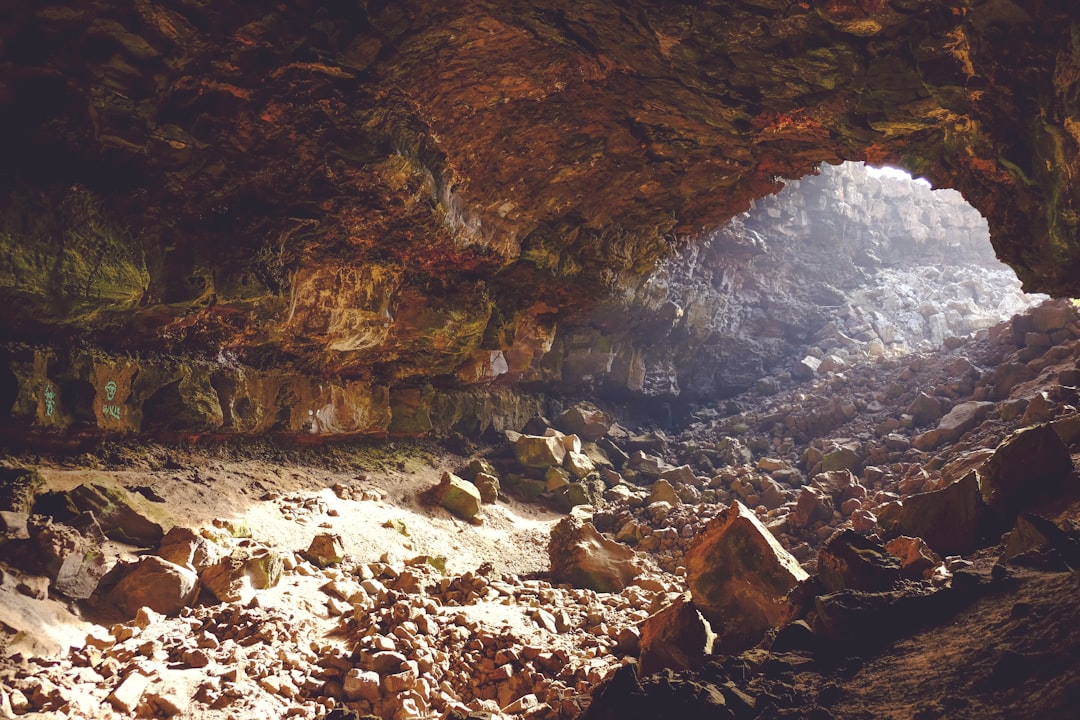

A sharp, almost metallic scream greets you even before you enter. It is the call of the guácharos, the oilbirds (Steatornis caripensis), thousands of specimens that inhabit the vaults of the longest cave in Venezuela and have given their name to this extraordinary karst system hidden among the mountains of Caripe, in the state of Monagas. The sound is disorienting, almost unsettling, and prepares the visitor for an experience unlike any other.
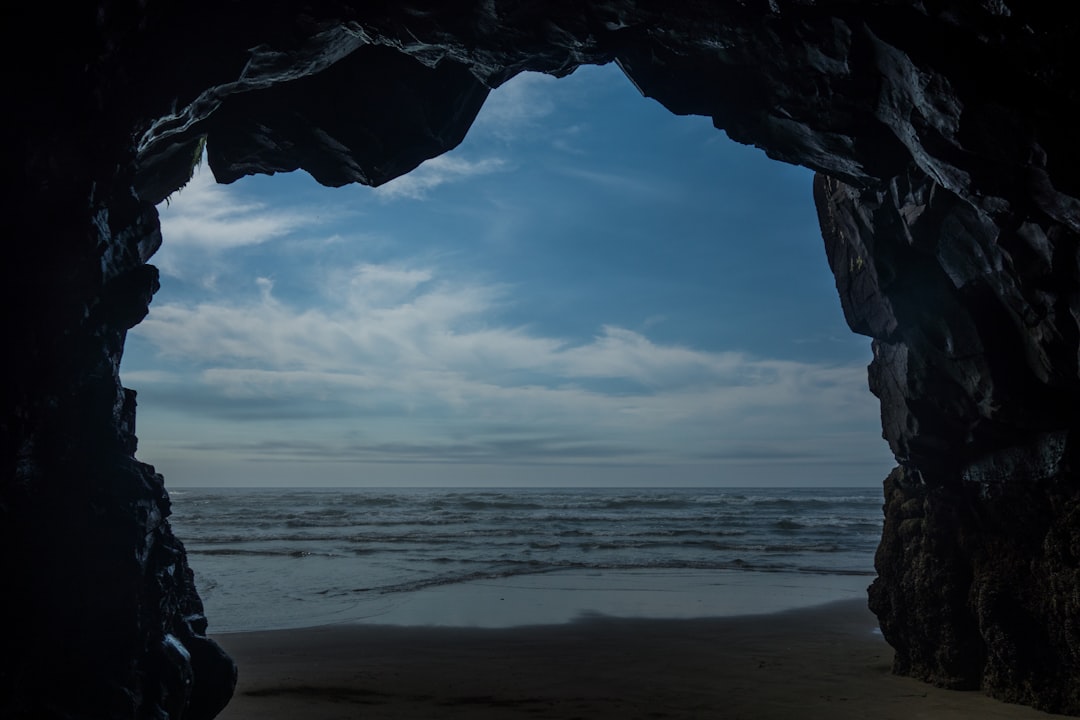
In 1799, the Prussian naturalist and explorer Alexander von Humboldt was one of the first Europeans to scientifically document this cave, describing it with admiration in his travel diaries. Humboldt was struck not only by the spectacular entrance, a high and dramatic vault that filters external light in a theatrical manner, but especially by the massive presence of the nocturnal birds, whose fat was traditionally collected by the indigenous Chayma people to produce cooking and lighting oil. Since that historic expedition, the cave has continued to fascinate scientists and travelers.
A unique ecosystem in the dark
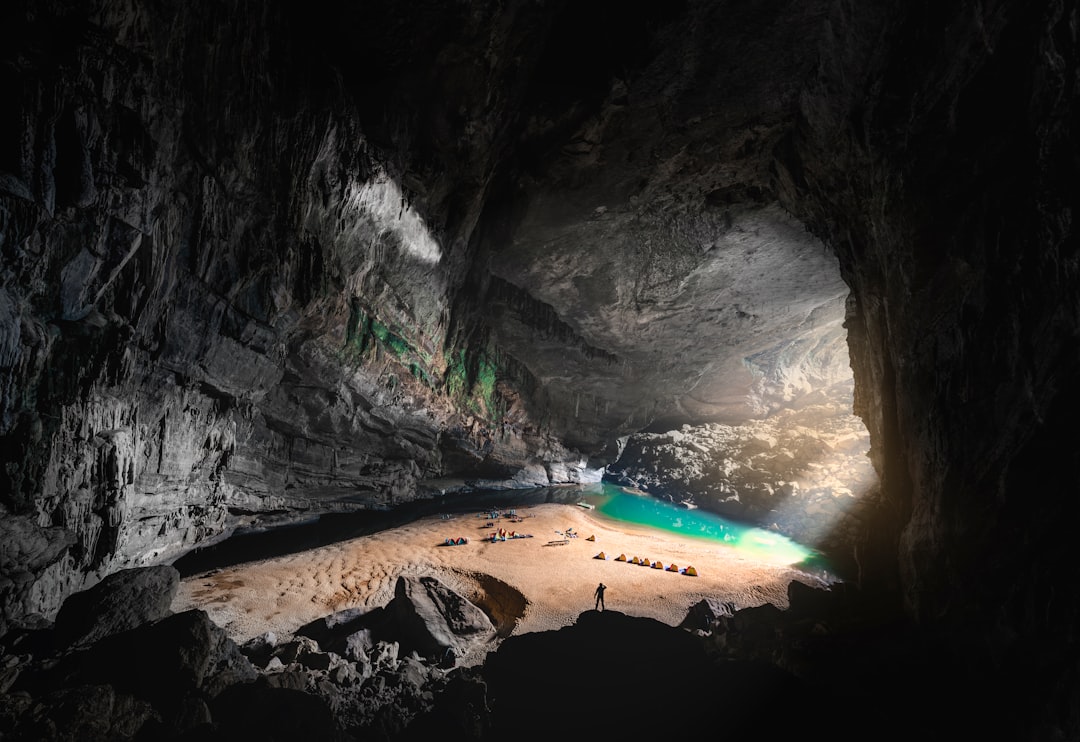
The Guácharo Cave extends for over 10 kilometers of explored galleries, making it the longest cave in Venezuela. The tourist path accessible to the public covers about 1.5 kilometers and passes through some of the most spectacular chambers, including the famous Guácharos Hall, where the bird colony reaches impressive densities. The birds use echolocation to navigate in the dark, just like bats, and their continuous screeching creates a sound atmosphere that is an integral part of the experience.
In addition to the birds, the cave hosts a complex ecosystem that includes fish and invertebrates adapted to life in the absence of light. The geological formations, stalactites and stalagmites of calcite, decorate the walls with shapes that visitors have over time named with picturesque names. The local guide, mandatory for entry, points out the most famous formations and tells the Chayma legends related to the cave, which in indigenous tradition was considered the dwelling of the dead.
The monumental entrance that amazed Humboldt
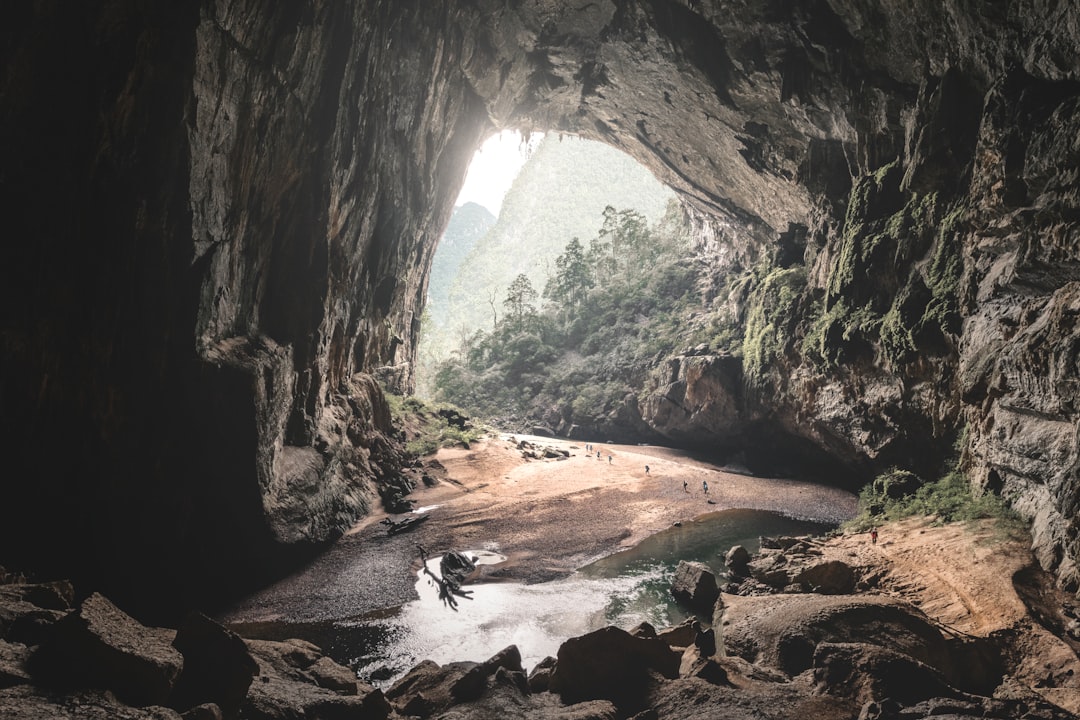
What strikes you from the very first moment is the entrance hall, a natural arch of impressive dimensions that opens onto the lush vegetation of the mountain forest. Daylight penetrates about fifty meters inside, creating a play of contrasts between the intense green of the plants that grow right into the cave and the dark gray of the limestone rock. It is exactly this scene that Humboldt enthusiastically described in his writings, and today the visitor can relive that same perspective with remarkable fidelity.
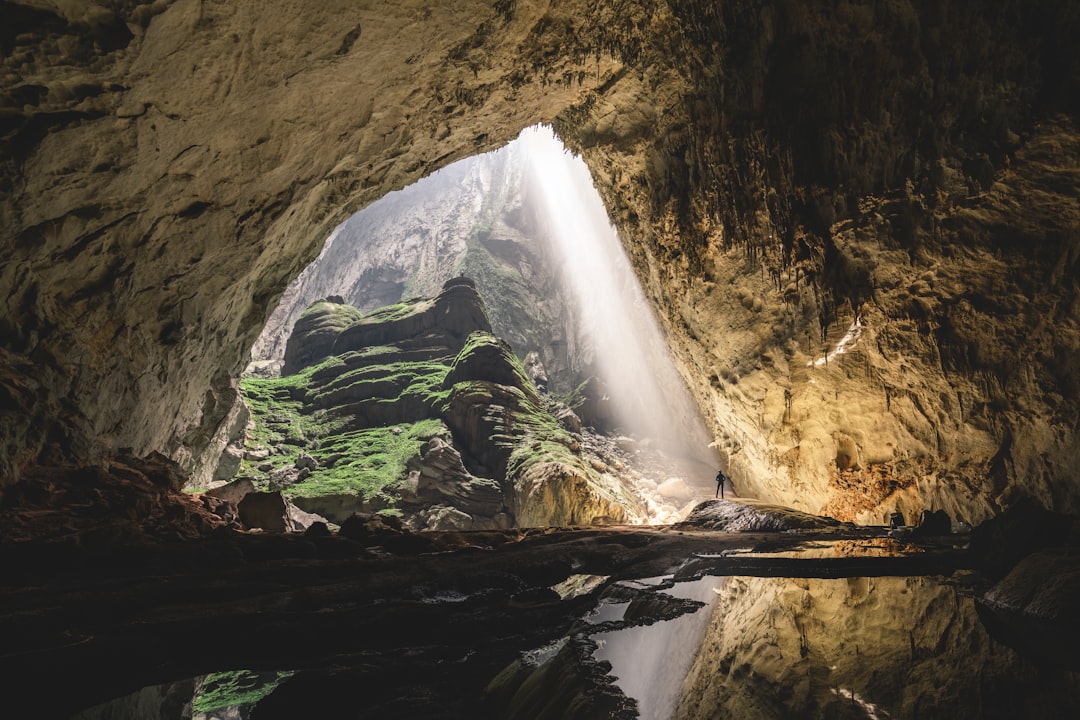
The cave was declared a Natural Monument by the Venezuelan government in 1949, and it is managed by Inparques, the national park authority. The surrounding area is part of the El Guácharo National Park, which also protects the cloud forest that envelops the Caripe mountains, with remarkable plant biodiversity that includes orchids and tree ferns.
How to organize the visit
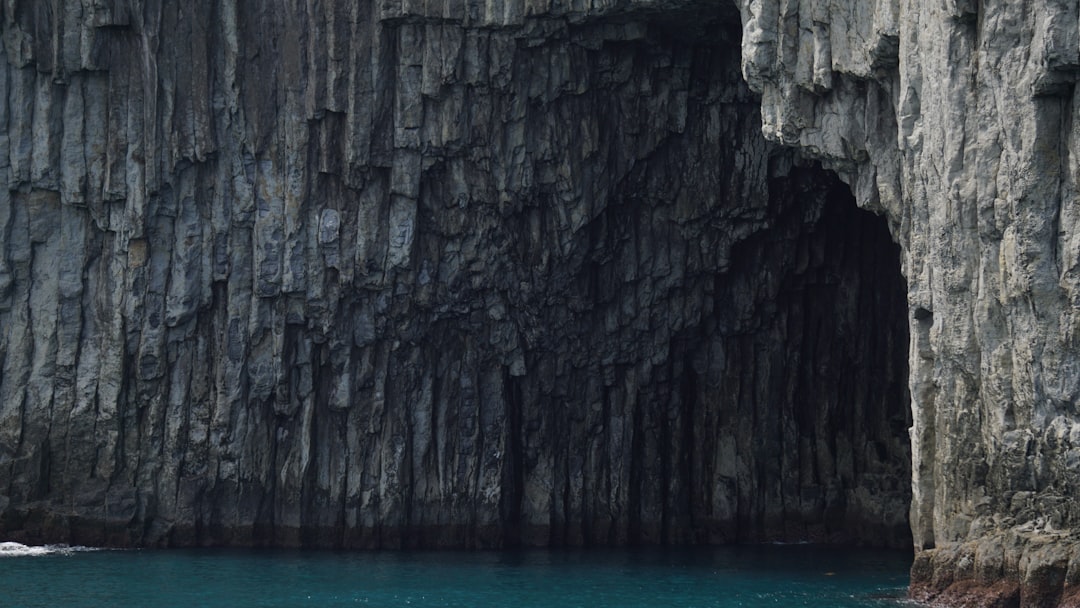
The village of Caripe, at about 2,400 meters above sea level, is the logical starting point for the visit. The cave is located a few kilometers from the inhabited center and can be reached by local taxis or on foot for the more adventurous. The entrance is managed by Inparques and requires the payment of a ticket whose cost, modest by international standards, may vary based on nationality and current local policies: it is advisable to check the updated prices directly on site or through the park office in Caripe.
The best time to visit the cave is in the early morning, when natural light better illuminates the entrance hall and the heat is not yet oppressive. The internal temperature remains around 18-20 degrees Celsius all year round, so it is advisable to bring a light layer even in the height of summer. Guides accompany regular groups during opening hours, which generally run from 8:00 AM to 3:00 PM, but it is always wise to confirm the updated hours locally. Wearing closed shoes with non-slip soles is essential: the cave floor is damp and in some areas slippery.
Caripe and the Regional Context
Caripe itself deserves a stop. The village is known for the production of strawberries and flowers, a surprising contrast to the tropical climate of the rest of Venezuela, made possible by the altitude. The fresh air, well-kept gardens, and the slow pace of local life offer a different breath compared to the large Venezuelan cities. Some small hotels and local posadas allow for comfortable overnight stays and dedicating more than a day to the area, also exploring the trails of the national park.
Getting to Caripe requires a bit of planning: the town is connected to Maturín, the capital of the state of Monagas, by a mountain road that takes about two hours by car. Buses and regular por puestos depart from Maturín. Those traveling from the rest of the country can reach Maturín by plane or by bus from Caracas. The transportation situation in Venezuela can be variable, so checking in advance about available options is always a good practice.


