



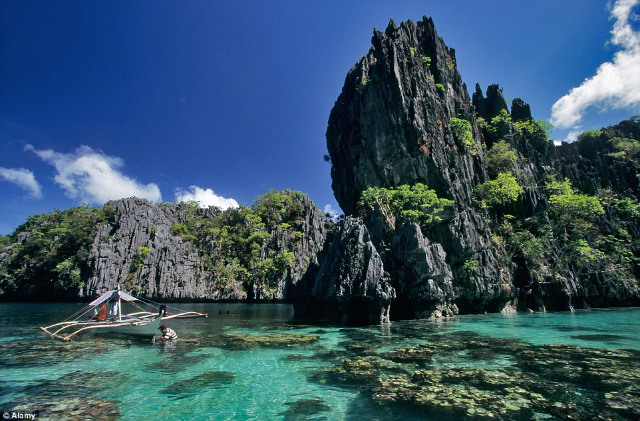
Nestled in the northern part of Palawan, the mesmerizing town of El Nido is an enchanting blend of dramatic limestone cliffs, crystalline waters, and vibrant marine life. Often described as a paradise on earth, El Nido is not just a feast for the eyes but also a place rich in history, culture, and culinary delights.

The story of El Nido begins long before the influx of tourists. Archaeological discoveries reveal that the area has been inhabited for thousands of years, with relics dating back to 2680 BC. The indigenous Tagbanua and Cuyonon people are among the earliest settlers, and their influence remains evident today. The name "El Nido," meaning "The Nest," was inspired by the swiftlet nests found in its caves, which have been harvested for centuries for the lucrative bird’s nest soup industry. The surrounding waters also bear witness to historic maritime routes that connected ancient trading partners across Southeast Asia.
Architecturally, El Nido is characterized not by grand buildings but by the natural sculptures of its towering karst formations. These majestic limestone cliffs are relics of an ancient coral reef that thrived over 250 million years ago. While human-made structures are modest, the town is dotted with charming cottages and resorts built with local materials, harmonizing with the lush landscape. The artistic significance of El Nido is perhaps best captured by the vibrant local crafts, particularly the intricate weaving and beadwork of the Tagbanua, which tell stories of their deep connection with the sea and land.
Cultural traditions in El Nido are a vibrant tapestry of indigenous practices and colonial influences. The town comes alive during the Baragatan Festival, a celebration of Palawan’s rich cultural heritage, featuring traditional dances, music, and costumes. The Pagdiwata, a ritual performed by the Tagbanua, is an awe-inspiring ceremony that honors their ancestors and seeks guidance from the spirits. Visitors lucky enough to witness these events gain a deeper appreciation of the cultural depth that defines this region.
El Nido's culinary scene is a delightful journey through Filipino flavors, with a distinct emphasis on the bounty of the sea. The local specialty, kinilaw, is a must-try—a dish of raw fish marinated in vinegar and citrus juices, spiced with chili, and garnished with onions. Seafood lovers should not miss the palawanon dish of lato, or sea grapes, often served as a refreshing salad. For a sweet treat, try tibok-tibok, a creamy coconut pudding that offers a taste of comfort and nostalgia.
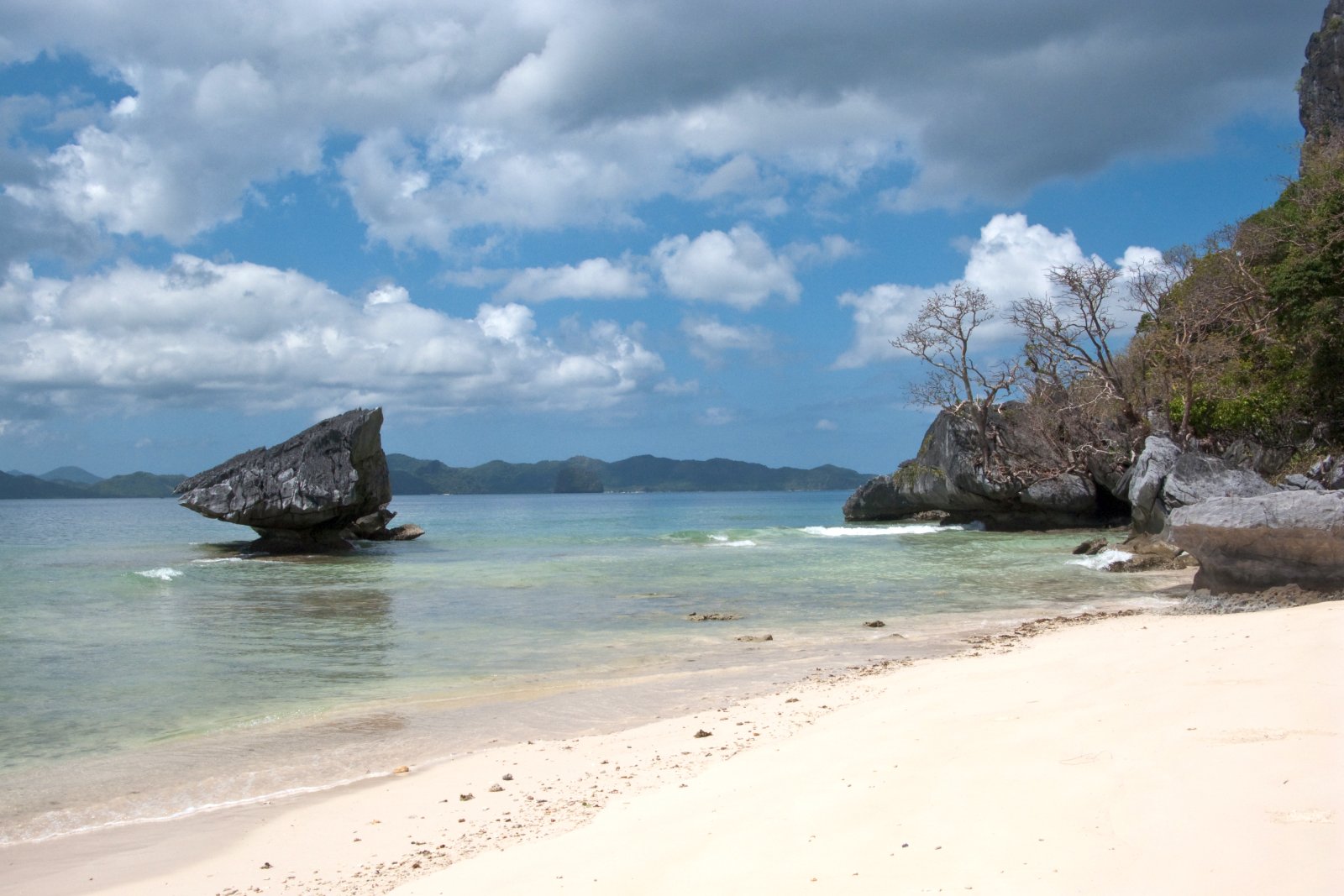
Beyond the well-trodden paths lies a treasure trove of hidden wonders in El Nido. Few tourists venture to Cadlao Island, the largest of El Nido’s archipelago, where secluded beaches and lush mangroves provide a serene escape. Another lesser-known gem is Makinit Hot Springs, nestled in the jungle and accessible via a short trek, offering a soothing retreat after a day of exploration. Stories of the Balay Cuyonon, a traditional house that has stood the test of time, tell of the resilience and ingenuity of the local people.
For those planning a visit, the best time to explore El Nido is during the dry season from November to May, when the weather is ideal for island hopping and diving. It is wise to book tours and accommodations in advance, as this period is also the most popular. When visiting, be mindful of the local customs and respect the natural environment, especially marine life, as conservation is a crucial part of sustaining El Nido’s natural beauty.
El Nido Palawan Island is more than just a destination; it's an invitation to immerse oneself in a world where history, culture, and nature converge in breathtaking harmony. Whether you’re exploring its hidden coves, savoring its culinary delights, or participating in its vibrant festivals, El Nido offers a unique travel experience that lingers long after the journey ends.
