
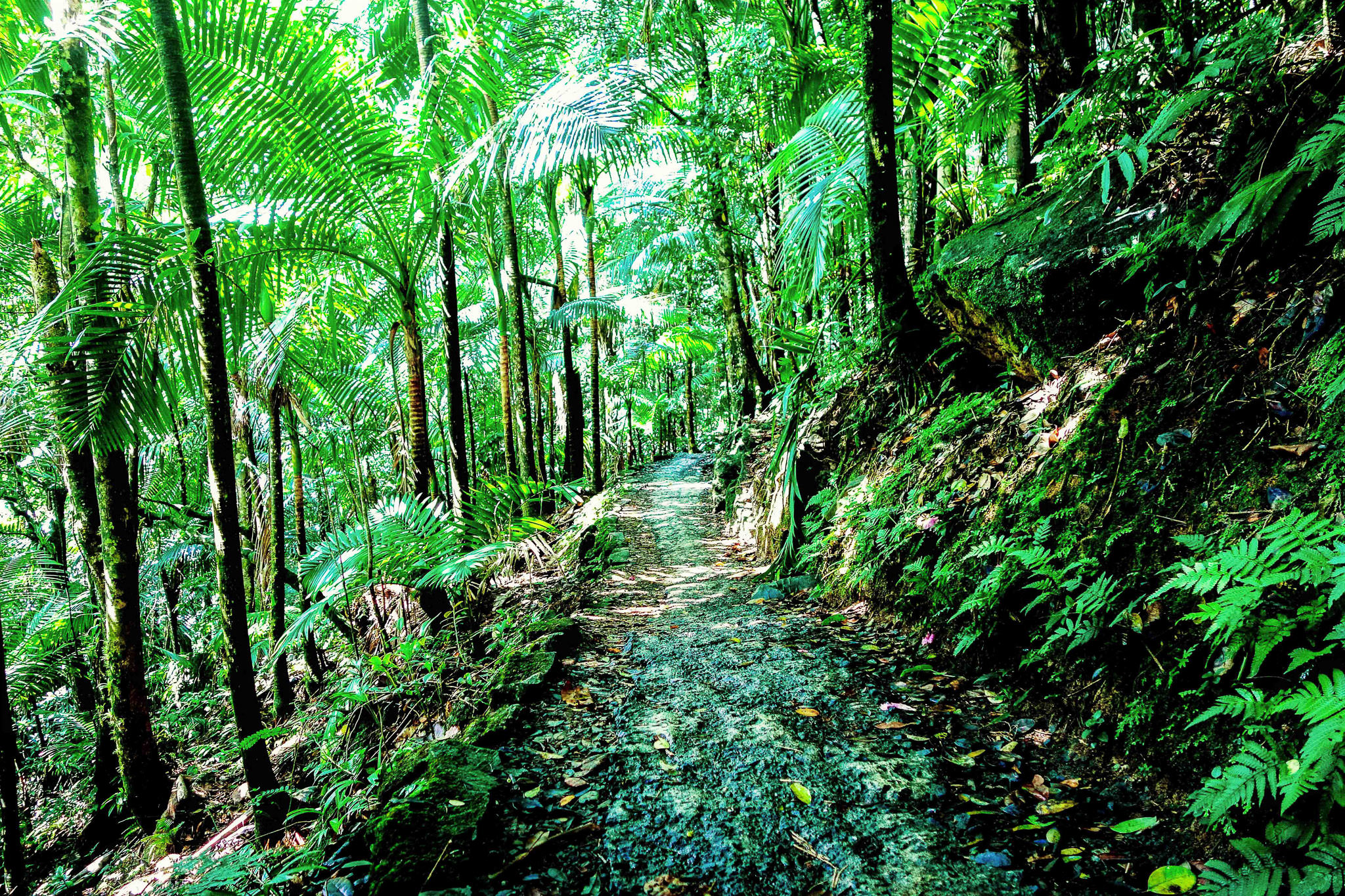

The allure of El Yunque, nestled within the lush landscapes of Puerto Rico, captivates travelers with its verdant canopies and rich biodiversity. This unique tropical rainforest, occupying a modest 29,000 acres, boasts the distinction of being the only tropical rainforest in the U.S. National Forest System. Just a short drive east of San Juan, it offers a verdant escape into a world teeming with life and history.

El Yunque's history is as deep and complex as the forest itself. The name "El Yunque" is derived from the Taíno word "Yuquiyú," meaning "Forest of Clouds." The Taíno, the island's indigenous people, revered this rainforest as sacred ground, believing it to be the dwelling of their chief deity, Yukiyú. When Christopher Columbus arrived in 1493, the Spanish colonization began, altering the landscape and its cultural significance. However, much of the forest remained untouched until the 19th century when it was designated as a protected reserve by the Spanish Crown. In 1903, following the Spanish-American War, it was designated as a National Forest by the United States, cementing its status as a vital ecological and cultural treasure.
While El Yunque is not famed for grand man-made structures, its natural architecture is awe-inspiring. The forest's symphony of waterfalls, such as La Mina Falls and La Coca Falls, offer nature’s artistry at its finest. These cascades, framed by towering trees and vibrant flora, are the rainforest's masterpieces, drawing visitors into a serene, almost mystical world. The Yokahú Observation Tower, constructed in the 1960s, provides panoramic views that reveal the sprawling beauty of the rainforest's lush expanse, a testament to human ingenuity harmonizing with nature’s grandeur.

Cultural richness in El Yunque is woven into its vibrant tapestry of traditions and festivals. The nearby towns celebrate their heritage with fervor. Notably, the Fiestas Patronales de San Juan Bautista, held annually in June, encapsulates the spirit of the island with parades, music, and traditional dance. The rhythms of bomba and plena, both rooted in African heritage, resonate through the forest's fringes, a reminder of the island’s diverse cultural influences.
No visit to El Yunque is complete without indulging in the local gastronomy. Mofongo, a dish made from mashed plantains often seasoned with garlic and pork cracklings, reflects the island's culinary fusion. For a refreshing treat, try piña colada, Puerto Rico's national drink, said to have been invented in San Juan in the 1950s. Local vendors near the rainforest offer freshly made alcapurrias, a delightful fritter typically filled with seasoned meat or seafood, providing a taste of authentic Puerto Rican flavors.
El Yunque harbors many lesser-known curiosities. Among them is the Puerto Rican parrot, or "Iguaca," one of the world’s most endangered birds, which calls this rainforest home. Conservation efforts have been crucial in bringing this species back from the brink of extinction. Another intriguing aspect is the forest’s microclimates, which allow a vast array of plant species to flourish, making El Yunque a living laboratory for botanists and nature enthusiasts alike.
For those planning to visit El Yunque, timing is everything. The forest is open year-round, but the best time to visit is during the dry season from December to April, when trails are more accessible and the weather is milder. Begin your journey at the El Portal Visitor Center, which offers insights into the rainforest's ecology and history. Be sure to wear comfortable hiking shoes and pack rain gear, as sudden showers are common. Look out for the coquí, a small tree frog endemic to Puerto Rico, whose melodious calls are synonymous with the island’s natural charm.
As you wander through El Yunque, each step reveals a story, every rustle of leaves whispers secrets of ancient times, and the melody of cascading water inspires awe. In this emerald sanctuary, history, culture, and nature converge, offering an unforgettable experience that lingers long after you leave its verdant embrace.


