
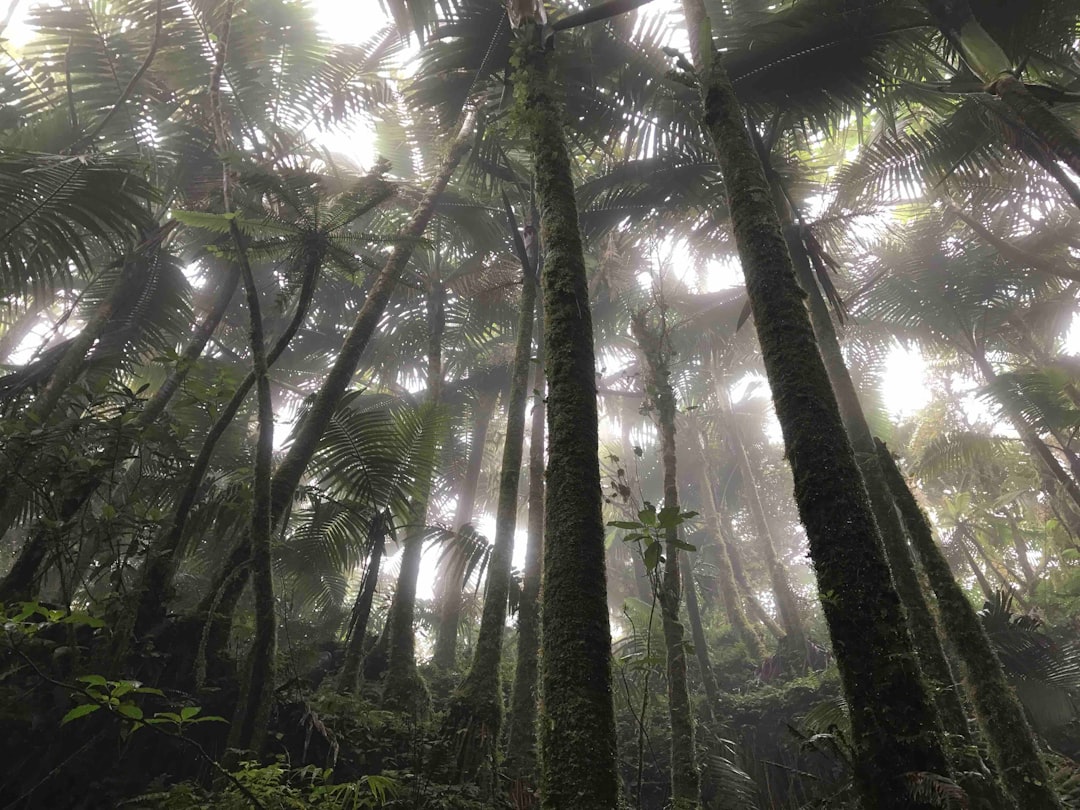

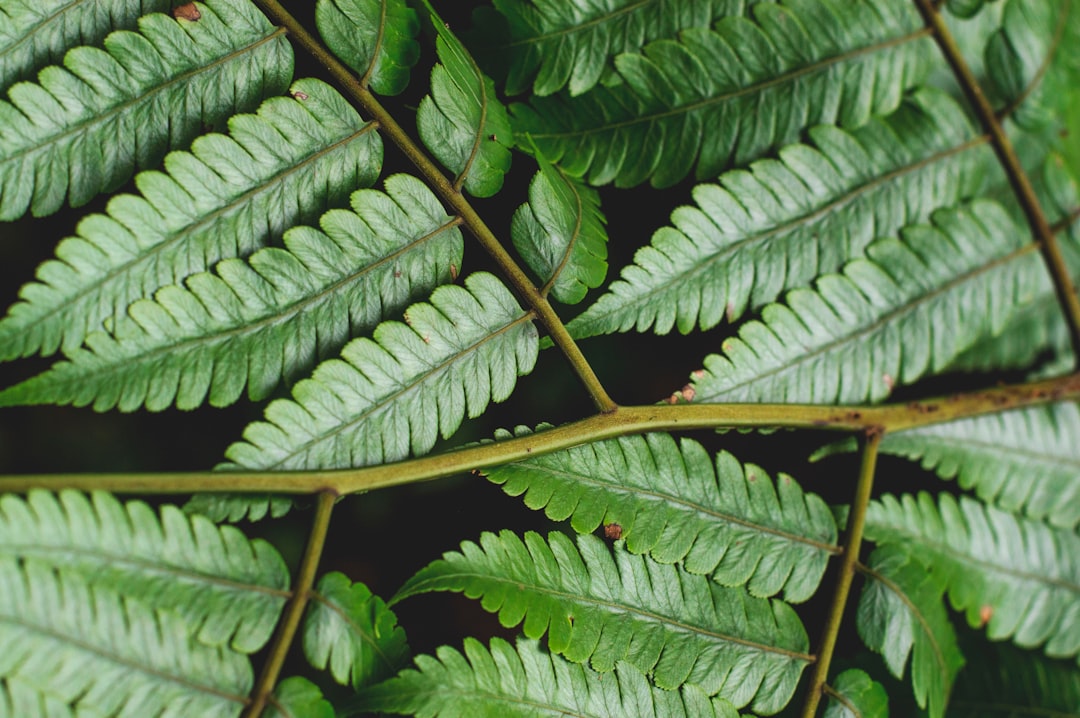
The fog rises slowly among the tree ferns as the sun begins its descent towards the ocean. We are in the El Yunque National Forest, the only tropical rainforest in the national forest system of the United States, perched on the slopes of the Sierra de Luquillo in northeastern Puerto Rico. From up here, the sunset is not just a visual spectacle: it is a complete sensory experience, accompanied by the chorus of the coquí frogs, the sound symbol of the island, and the dense smell of damp earth and tropical flowers.

The forest covers about 11,000 acres and reaches its highest point with Pico El Toro, which touches 1,065 meters above sea level. It is from these altitudes that, during sunset hours, the view opens up extraordinarily: the green canopy of the forest stretches north until it meets the blue waters of the Atlantic, while to the west the clouds are tinged with orange and pink above the hills of the Puerto Rican interior.
The sunset light on the canopy
A few hours before sunset, the forest changes character. The filtered light that during the day creates shadow plays among the sierra palm leaves and tabonuco flowers transforms into something more dramatic: slanted rays cutting through the mist and illuminating the treetops like natural projectors. Those on the El Yunque Trail, one of the most frequented paths leading to higher elevations, can witness this chromatic transformation while walking among the dense vegetation.
The most accessible viewpoint to enjoy the sunset is the Yokahú Tower, a stone observation tower built in the 1930s during the works of the Civilian Conservation Corps, the Roosevelt-era federal program that employed thousands of young Americans in the care of national parks. From its summit, reachable by a short staircase, the view embraces the entire northern coast of the island and, on clear days, extends to the waters that separate Puerto Rico from the island of Vieques.

How to get there and when to go
El Yunque is about 45 kilometers from San Juan and can be easily reached by car by taking Route 3 east and then Route 191 that goes inland into the forest. The trip from Luis Muñoz Marín International Airport takes about an hour without traffic, but it is advisable to leave early in the morning to avoid the lines that form on weekends, when the forest attracts many local visitors and tourists.

The El Portal Center, the main visitor center of the forest, offers detailed maps of the trails and updated information on weather conditions. The entrance fee for vehicles was around the last available rates of 5-10 dollars per person. For those specifically aiming for sunset, the recommendation is to arrive in the afternoon, complete a short hike, and position themselves at the Yokahú Tower at least thirty minutes before sunset, which in Puerto Rico generally occurs between 6:00 PM and 7:00 PM depending on the season.
The sounds and colors after sunset

When the sun disappears beyond the horizon, El Yunque does not turn off: it transforms. The darkness brings with it an intensification of the sounds of the forest. The coquí frogs, endemic to Puerto Rico, increase their singing — an onomatopoeic sound that gave them their name — and the forest becomes a natural orchestra. Some species of nocturnal birds begin their movements among the treetops, and those who have the patience to wait may catch a glimpse of the Puerto Rican Parrot, one of the rarest parrots in the world, in its evening movements.
The dry season, which typically runs from January to April, offers the best chances of clear sunsets and clean skies. During the summer and autumn months, the hurricane season brings frequent clouds that can obscure the spectacle, but also provide atmospheres of great suggestion, with the forest seeming to wrap itself in a cloak of golden steam in the last hours of light.
Practical tips for the visit
Anyone visiting El Yunque at sunset should bring a flashlight: the trails are not lit and the darkness in the rainforest is quick and total. A lightweight raincoat is essential in any season, as the forest receives an average of over 3,500 millimeters of annual rainfall in the higher areas, and afternoon downpours are frequent even on seemingly serene days.
It is also important to respect the closing time of the forest, which generally coincides with sunset or shortly after: park rangers regularly patrol the trails to encourage visitors to leave the area before darkness makes the paths dangerous. Carefully planning the visit, arriving in the afternoon, and enjoying the sunset from the Yokahú Tower before descending remains the safest and most memorable way to experience El Yunque at its most beautiful hour.


