



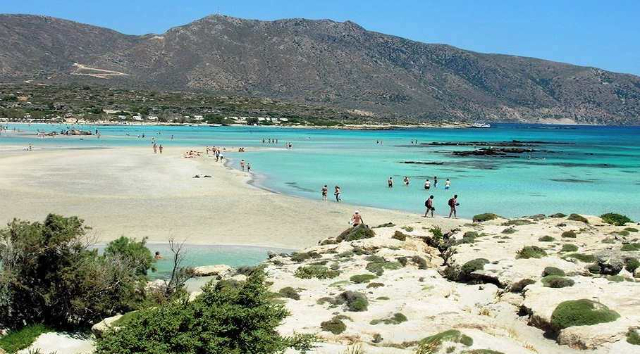
As the sun dips below the horizon, casting a warm golden glow over the Aegean Sea, Elafonisi Beach unfolds like a natural masterpiece painted with hues of pink and turquoise. Nestled on the southwestern coast of Crete, this idyllic beach is more than just a haven of beauty; it's a tapestry of history, culture, and nature that beckons travelers with its enchanting allure.

Elafonisi is steeped in history, its sands whispering tales from centuries past. The name "Elafonisi" translates to "Deer Island," a nod to the island's former inhabitants. During the 17th century, it was a refuge for Cretan rebels resisting Ottoman rule, and its strategic location made it a point of contention during various naval battles. Most notably, in 1824, it was the site of a tragic massacre during the Greek War of Independence, when Ottoman forces killed hundreds of Greek women and children seeking sanctuary on the island. Today, a memorial stands in solemn remembrance of that fateful day, adding a poignant layer of history to the beach's ethereal beauty.
The artistic essence of Elafonisi is not defined by grand structures or notable art pieces but by the natural artistry of its landscapes. The pink sand, a rare phenomenon caused by crushed shells and coral, creates a surreal palette against the azure waters. This natural artistry is complemented by the delicate ecosystem of the area, which is home to several endangered species, including loggerhead sea turtles and monk seals. The surrounding cedars and junipers add a wild charm, offering shelter and shade for those exploring this ecological wonder.

Culturally, Crete is a tapestry of traditions, and Elafonisi is no exception. The island is known for its vibrant festivals, with many celebrated with fervor throughout the year. One such event is the Feast of the Holy Spirit, where locals gather to commemorate the religious significance of the nearby Chrissoskalitissa Monastery. This 17th-century monastery, perched on a cliff overlooking the beach, is said to have a "golden step" that only the pure of heart can see. During the feast, the air is filled with the aroma of traditional dishes, music, and dance, echoing the rich Cretan heritage.
Speaking of gastronomy, no visit to Elafonisi is complete without indulging in the culinary delights of Crete. The island's cuisine is a celebration of fresh, local ingredients, and visitors can savor delicacies such as dakos, a traditional Cretan salad made with barley rusks, ripe tomatoes, and creamy feta cheese. Seafood lovers will relish the grilled octopus, often seasoned simply with lemon and olive oil, allowing the natural flavors to shine. For a sweet finish, try kalitsounia, small pastries filled with cheese and honey, embodying the simple yet delectable nature of Cretan desserts.
While Elafonisi Beach is renowned for its stunning scenery, it harbors lesser-known curiosities that add to its mystique. Among these is the legend of Agios Ioannis, a hermit saint who is believed to have lived in a cave nearby, performing miracles and leaving behind tales of wonder that still circulate among locals. Additionally, the island's flora and fauna offer surprises at every turn, from the rare sand lilies that bloom in autumn to the vibrant butterflies that flit among the dunes.
For those planning a visit, timing is everything. The best months to explore Elafonisi are late spring and early autumn, when the weather is pleasantly warm, and the summer crowds have thinned. Arrive early in the morning to secure a spot on the pristine sands and explore the surrounding nature trails. Pack essentials like sunscreen, water, and a good pair of sandals for traversing the rocky paths. And don't forget to practice respect for the environment, as preserving this unique ecosystem is crucial for future generations to enjoy.
As you stand on the shores of Elafonisi Beach, with the gentle waves lapping at your feet and the sun setting in a blaze of color, it's easy to understand why this place is cherished as one of Crete's most beautiful treasures. Whether drawn by its history, its natural wonders, or its cultural richness, visitors leave with memories etched as deeply as the footprints in its pink sands.
