


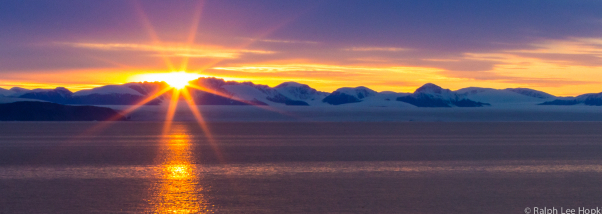
A land of stark beauty and formidable challenges, Ellesmere Island—known in the Inuit language as Umingmak Nuna, meaning "land of Muskox"—is a remote gem within the Canadian Arctic Archipelago. This island, with its breathtaking landscapes, is not just nature's canvas; it is steeped in rich history and vibrant culture, waiting to be explored.
### History and Origins
The history of Ellesmere Island stretches back thousands of years. Indigenous peoples, including the Inuit, have inhabited the region since time immemorial, relying on the land's resources for survival. Evidence of their presence can be seen in archaeological sites across the island, showcasing their adaptation to one of the harshest climates on Earth.
In the late 19th century, Ellesmere Island captured the attention of explorers. A significant moment came in 1875 when Admiral Robert Peary embarked on a daring expedition, marking the beginning of scientific interest in the island's unique geography and climate. By the 20th century, the island became a focal point for polar expeditions, notably during the Canadian Arctic Expedition of 1913-1916, which aimed to map and understand the region more thoroughly. Today, Ellesmere Island is recognized as an important site for scientific research, particularly in the study of climate change and Arctic ecosystems.
### Art and Architecture
While Ellesmere Island may not boast grand architectural feats, its art is deeply rooted in the traditions of the Inuit people. The island is home to various forms of Inuit sculpture and carvings, often created from materials like soapstone and bone. These artworks not only reflect the incredible craftsmanship of the artists but also tell stories of their connection to the land and its wildlife.
The aesthetic of Inuit art is characterized by its organic forms, often depicting animals such as muskoxen, walruses, and seals, which play a vital role in the community's culture and sustenance. This art serves as a testament to the resilience and creativity of the Inuit, embodying their history and spiritual beliefs.
### Local Culture and Traditions
The culture of Ellesmere Island is vibrant and rich, shaped by the Inuit's long-standing traditions. Community gatherings often center around seasonal events, like the Inuit Day, celebrated in mid-June. This day honors Inuit heritage, featuring traditional games, music, and storytelling, allowing for a reconnection with ancestral practices.
Family and community are paramount in Inuit culture, with many customs revolving around the sharing of resources. Traditional hunting practices remain vital, with the muskox being particularly significant. The Inuit’s deep respect for the land and its creatures is evident in their practices, which emphasize sustainability and stewardship.
### Gastronomy
The culinary landscape of Ellesmere Island is a reflection of its unique geography and culture. Traditional Inuit cuisine is characterized by foods that are often harvested from the surrounding environment. Muktuk, a delicacy made from the skin and blubber of whales, is a staple, often enjoyed raw or fermented.
Another traditional dish is caribou stew, rich in flavor and history, prepared during communal gatherings. Fish, particularly Arctic char, is also a common component of the local diet. The Inuit often engage in ice fishing, a practice that not only provides sustenance but strengthens community bonds.
### Lesser-Known Curiosities
While many might marvel at the polar bears and dramatic glaciers of Ellesmere Island, few know that it is also home to the Northernmost permanently inhabited place in Canada, Alert, located just south of the island. This small military outpost serves as a beacon of human resilience in extreme conditions.
Moreover, Ellesmere Island is famed for its striking "Grinnell Land"—where the ancient remains of a prehistoric forest have been discovered, indicating that the region was once much warmer. Fossils of tree stumps and leaves offer a glimpse into a drastically different climate that existed millions of years ago.
### Practical Visitor Information
For those eager to experience the wild beauty of Ellesmere Island, the best time to visit is during the summer months, from June to August, when temperatures are milder and the polar wildlife is most active. However, accessing the island is no small feat, as it requires careful planning and often involves charter flights from Resolute Bay.
Visitors should be prepared for the rugged environment—bring adequate gear for unpredictable weather. Wildlife enthusiasts should look out for the majestic muskoxen, arctic foxes, and the stunning glacial landscapes that define this part of the world.
A journey to Ellesmere Island is not just a trip; it is an adventure into the heart of one of the last true wildernesses on Earth, where nature and culture intertwine in extraordinary ways.
To make the most of your visit, consider using the Secret World app to craft a personalized itinerary that suits your interests perfectly.
