
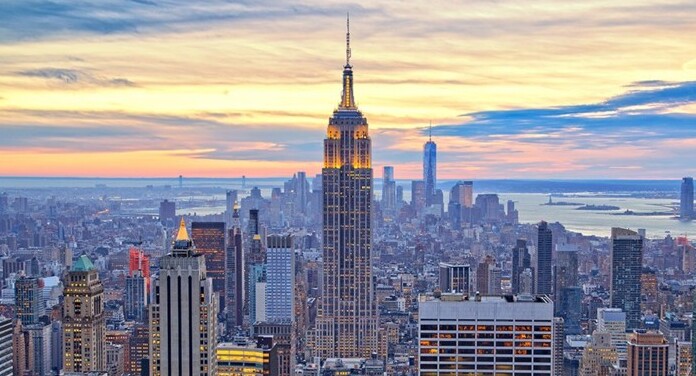

In the heart of New York City, the Empire State Building stands as a towering testament to human ambition and architectural brilliance. Its silhouette, a striking emblem of the city, has captivated millions since its completion in 1931. The skyscraper's existence is a remarkable tale woven into the fabric of American history, art, and culture.
History and Origins
The roots of the Empire State Building trace back to the late 1920s, during a period marked by fierce competition in the realm of skyscraper construction. At the time, the Chrysler Building and the Woolworth Building were vying for the title of the world’s tallest building. In response, the Empire State was envisioned as a part of John J. Raskob and Alfred E. Smith's ambitious plan to create a structure that would eclipse all others. Construction began in March 1929, amid the economic optimism of the Roaring Twenties. However, the Great Depression loomed, and the building's completion in May 1931 coincided with profound national hardship. The project, part of President Franklin D. Roosevelt’s New Deal initiative, not only provided thousands of jobs but also represented hope and resilience.
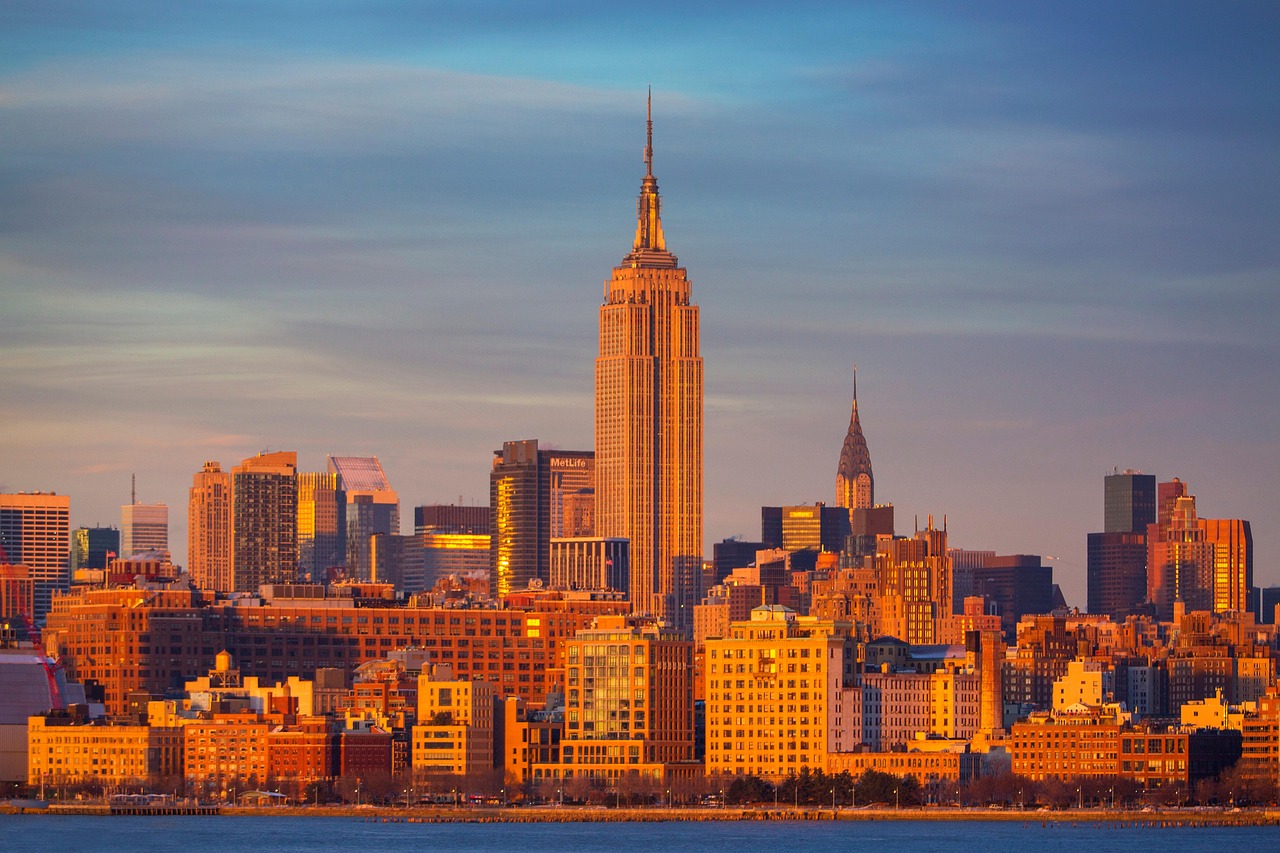
Upon its completion, the Empire State Building soared to a height of 1,454 feet (including its antenna), claiming the title of the tallest building in the world for nearly 40 years. As a symbol of American ingenuity, it has been featured in numerous films, most famously in King Kong (1933), cementing its status in popular culture.
Art and Architecture
Architecturally, the Empire State Building is a prime example of the Art Deco style, characterized by its sleek lines and geometric forms. Designed by William F. Lamb, the building showcases a façade of limestone and granite, complemented by its distinctive spire. The lobby is a splendid display of Art Deco artistry, adorned with a stunning mural of the night sky, crafted by artist E. M. McCready. This mural, along with the building's intricate metalwork, reflects the artistic trends of the 1930s, making it a cultural artifact as much as an architectural one.
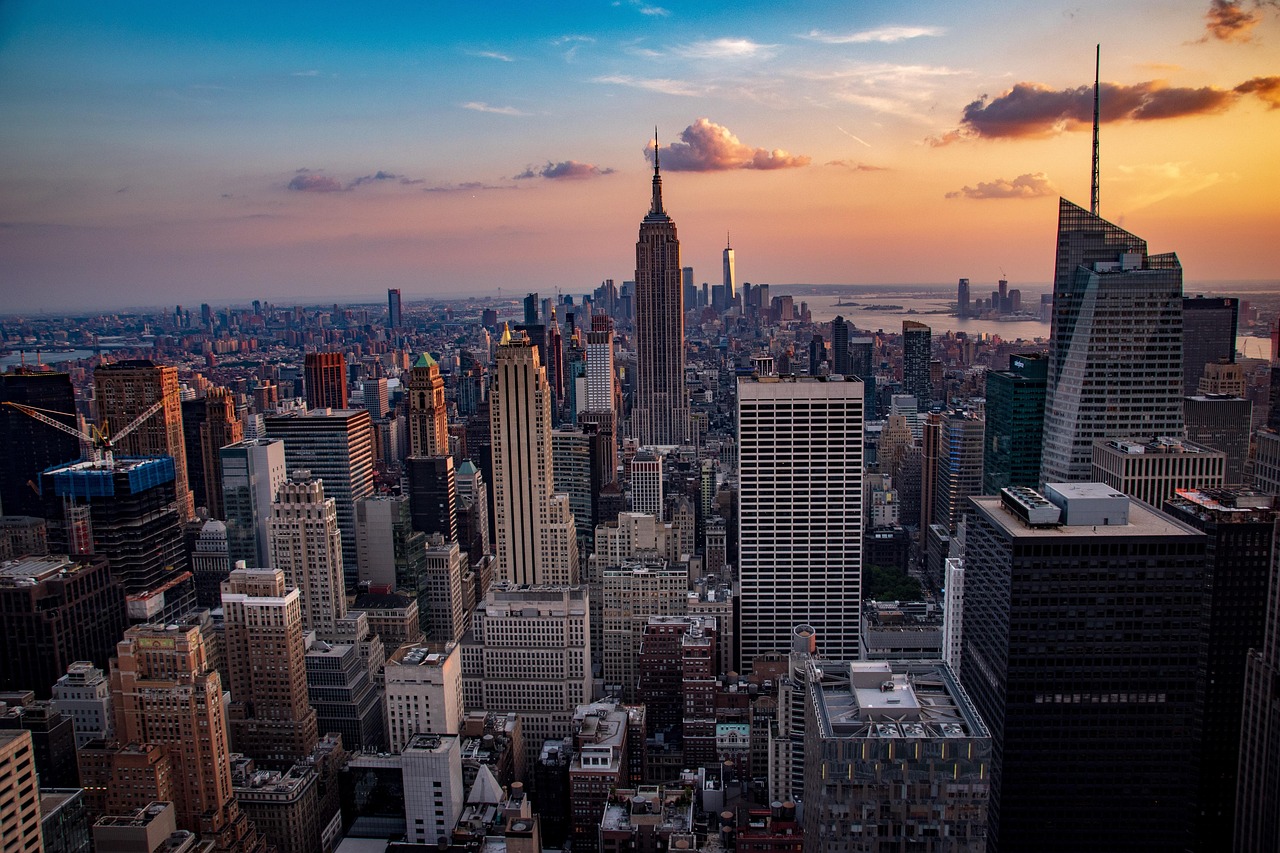
The building's observation decks on the 86th and 102nd floors offer breathtaking panoramic views of the city skyline, allowing visitors to fully appreciate the architectural marvel from which they stand.
Local Culture and Traditions
The Empire State Building is not only a tourist attraction; it is also a vital part of New York City's cultural identity. The building plays a significant role in local traditions, including its iconic lighting scheme, which often changes to commemorate holidays and special events. For instance, it is illuminated in red, white, and blue for Independence Day, and in pastel colors for Easter.
New Yorkers celebrate the building through various festivals and events, particularly during the New Year when the structure is a focal point of the Times Square ball drop festivities. The Empire State also hosts themed events for special occasions, allowing locals and tourists alike to engage with the building in unique ways.
Gastronomy
When visiting the Empire State Building, one cannot overlook the rich tapestry of New York cuisine that surrounds it. The nearby Koreatown offers a vibrant selection of Korean BBQ and traditional dishes, while the historic Fifth Avenue boasts classic delis and eateries that serve quintessential New York bagels and pastrami sandwiches. For a sweet treat, the famous Magnolia Bakery is just a short stroll away, known for its delectable banana pudding and cupcakes.
If you're looking for a unique dining experience, consider State Grill and Bar, located on the ground floor of the Empire State Building. This elegant restaurant pays homage to its location with a menu inspired by New York’s culinary history.
Lesser-Known Curiosities
Beyond the iconic exterior and breathtaking views, the Empire State Building holds many hidden stories. For instance, did you know that the building was once a hub for clandestine operations during World War II? The observation deck was used as a lookout point to monitor enemy aircraft. Furthermore, the building was also the site of a 1931 stunt where aviator Elmer M. B. M. Jones famously attempted to land a plane on its roof.
Another interesting fact is that the Empire State Building has its own weather station on the top floors. This unique feature allows it to serve as a reference point for local weather conditions, and on particularly windy days, you can sometimes feel the building sway slightly.
Practical Visitor Information
To make the most of your visit, the best time to experience the Empire State Building is during the early morning or late evening. The sunrise offers a magical view of the city awakening, while sunset gives way to a stunning display of city lights. Be sure to purchase your tickets in advance, as this can save you time and help avoid long queues.
While on site, take a moment to explore the second-floor exhibit, which details the building’s history and construction. Look out for the original construction photos and fascinating facts that highlight the challenges faced during its creation.
To fully appreciate the Empire State Building's significance, immerse yourself in its history, indulge in the local gastronomy, and enjoy the breathtaking views that have made it an enduring symbol of New York City.
For a personalized journey through the wonders of New York, consider using the Secret World app to help craft your itinerary.


