
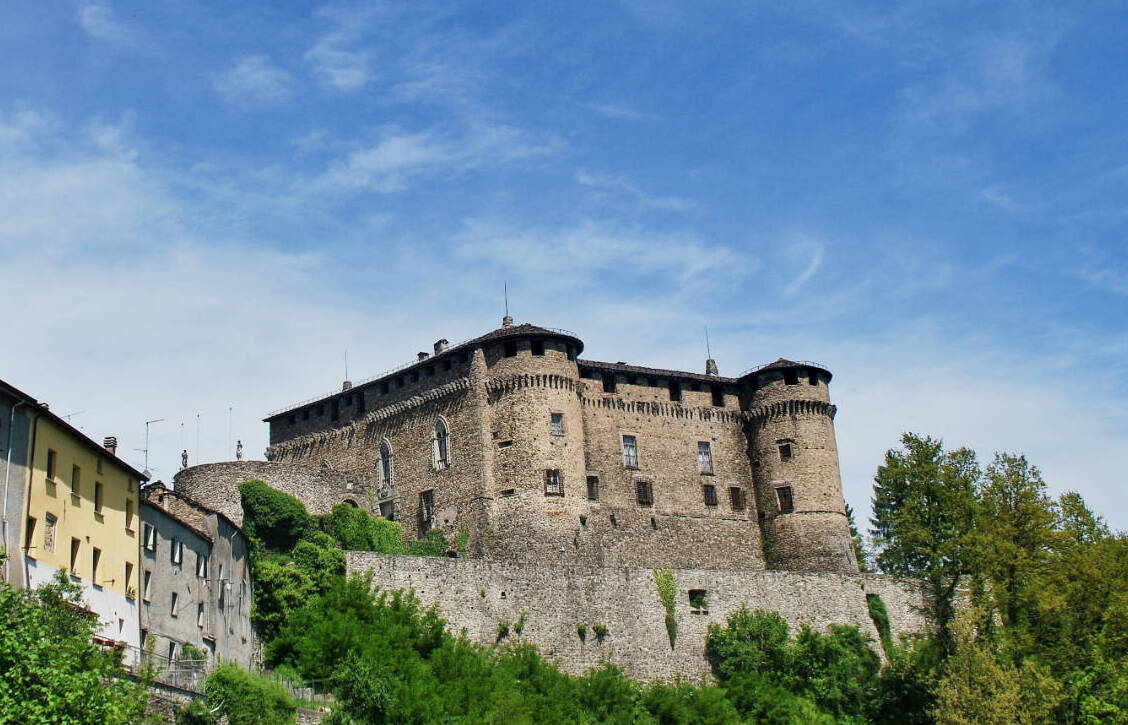

Nestled in the heart of Compiano, the Enogastronomic Museum offers a delightful journey into the culinary heritage of the Valtaro Valley. This museum is not merely a collection of artifacts; it is a vibrant tapestry that weaves together the rich history, traditions, and flavors that define this enchanting corner of Italy.
History and Origins
The museum stands as a testament to the agricultural and culinary practices that have thrived in this region, dating back to the late 19th and early 20th centuries. The founding of the museum was inspired by a desire to preserve and celebrate the local gastronomic traditions that have shaped the identity of Compiano. This small medieval town, with its picturesque stone buildings and winding streets, has long been a hub for agricultural production, particularly renowned for its artisanal foods.
Throughout its history, Compiano has been influenced by various cultural and economic changes. The establishment of the Enogastronomic Museum reflects a commitment to maintaining these traditions amid the pressures of modernity and technological advancement. Visitors can explore the evolution of local food production, showcasing how the craft has adapted yet remained rooted in its historical practices.
Art and Architecture
The museum itself is a charming reflection of the Emilian architectural style, with its rustic stone walls and wooden beams that evoke a sense of nostalgia. Inside, the layout is designed to guide visitors through different eras of culinary history, with each section representing a distinct period and its corresponding artifacts.
Noteworthy exhibits include vintage kitchen tools, ancient farming implements, and a collection of local wines and cheeses displayed in beautifully crafted wooden cases. The aesthetic of the museum is enhanced by the presence of local artists whose works are featured in rotating exhibitions, emphasizing the connection between art, food, and culture.
Local Culture and Traditions
Compiano is steeped in rich traditions that resonate through its festivals and customs. The annual Festa della Castagna (Chestnut Festival) celebrates the region's bountiful chestnut harvest, drawing visitors from far and wide. During this festival, locals showcase traditional dishes, highlighting the importance of seasonal foods in the Emilian diet. The museum often participates in such events, providing demonstrations and tastings that engage visitors with the local culture.
Moreover, the preservation of traditional culinary practices is evident in the local custom of sharing meals with family and friends, which plays a significant role in community bonding. Visitors to the museum can gain insights into how these traditions are maintained and passed down through generations.
Gastronomy
The culinary landscape of Compiano is nothing short of extraordinary. Visitors can indulge in Parmigiano di Montagna, an artisanal cheese that embodies the unique flavors of the mountain pastures. The museum showcases the tools used in its production, offering a glimpse into the meticulous craftsmanship behind this world-renowned cheese.
Other local delicacies include an array of cured meats, such as culatello and salame, each with its own distinct flavor profile shaped by local farming practices. Seasonal ingredients like porcini mushrooms and chestnuts play a crucial role in local dishes, often featured in traditional recipes that have been cherished for generations.
The museum also offers a small shop where visitors can purchase these local products, providing a tangible connection to the flavors of Compiano.
Lesser-Known Curiosities
While many come to the museum for its culinary treasures, few are aware of the intriguing stories behind some of the artifacts. For instance, one exhibit features a collection of vintage advertising materials from local food producers. These items not only reflect the marketing strategies of the time but also reveal the evolution of consumer tastes and preferences.
Additionally, the museum houses ancient utensils used by local cheesemakers and butchers, with some dating back over a century. Each tool has a story, often accompanied by anecdotes from families who have been involved in food production for generations. These personal narratives add depth to the museum experience, reminding visitors of the human connections that underpin the region's culinary history.
Practical Visitor Information
The best time to visit the Enogastronomic Museum of Compiano is during the autumn months, particularly in October, when the region's harvest is in full swing. The museum’s interactive displays and guided tours provide a comprehensive understanding of the local food culture.
When planning your visit, consider exploring the surrounding area, which offers scenic hiking trails and beautiful landscapes that enhance the overall experience. Be sure to allocate time for sampling local dishes at nearby trattorias, where you can savor the authentic flavors of Emilia-Romagna.
In conclusion, the Enogastronomic Museum of Compiano is not just a destination for food lovers; it is a celebration of the rich cultural tapestry that defines this region. To ensure a well-rounded experience in Compiano, consider using the Secret World app for a personalized itinerary tailored to your interests.


