
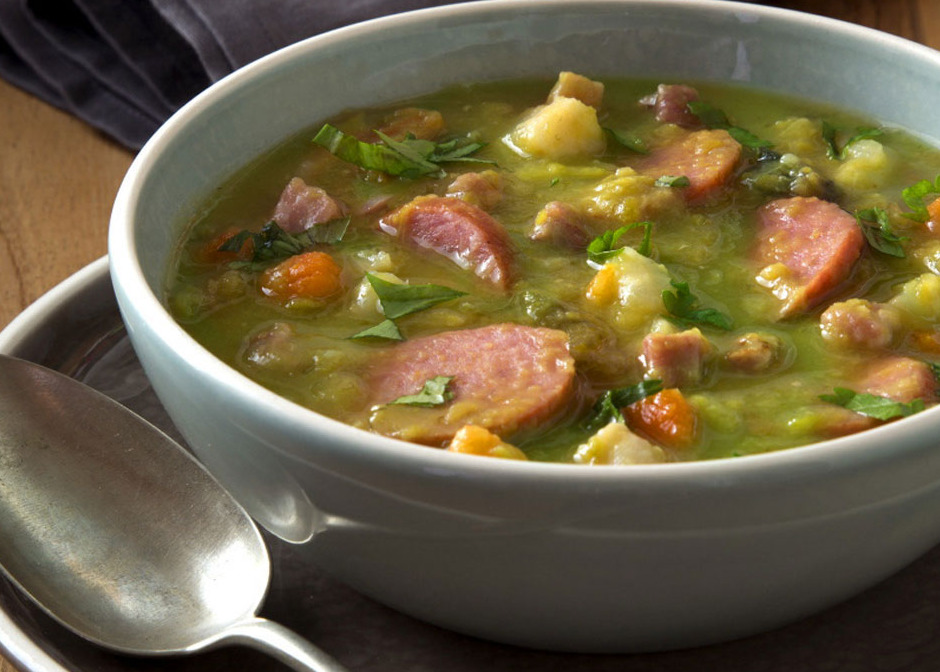

In the heart of the Netherlands, where windmills spin lazily against a backdrop of tulip fields, a comforting culinary tradition warms both the body and soul on chilly days—erwtensoep. This beloved thick pea soup is not just a meal; it’s a hearty symbol of Dutch heritage, drawing a flavorful line through history from the kitchens of ancient peasants to modern-day gourmet tables.

History and Origins The origins of erwtensoep, also known as snert, are deeply rooted in Dutch history. The dish dates back to at least the 16th century, when it served as a practical, nourishing meal for farmers and laborers braving the harsh winters. The use of dried split peas was both economical and efficient, providing a significant source of protein during the colder months when fresh produce was scarce. Over the centuries, the recipe has been refined but remains fundamentally unchanged, a testament to its enduring appeal.
Art and Architecture While erwtensoep itself is not directly linked to art and architecture, its cultural significance extends into Dutch artistic traditions. The soup is often depicted in still-life paintings from the Dutch Golden Age, a period renowned for its detailed portrayal of everyday life. These artworks capture the essence of Dutch domesticity, often featuring tables laden with hearty meals like erwtensoep, reflecting the country’s appreciation for wholesome, simple foods.

Local Culture and Traditions Erwtensoep is more than just a winter staple; it’s a cultural celebration. Traditionally, the soup is enjoyed during the New Year’s Day feast, symbolizing warmth and prosperity for the upcoming year. However, its comforting presence is welcomed throughout the winter months. In the Netherlands, it’s common to find families gathering around steaming bowls of snert, often paired with roggebrood (rye bread) and katenspek (smoked bacon), sharing stories and laughter as they ward off the cold.
Gastronomy Beyond erwtensoep, Dutch cuisine is known for its hearty, straightforward dishes. Popular foods include stamppot, a mashed potato dish mixed with vegetables and served with sausage, and haring, raw herring fish traditionally served with onions and pickles. For those with a sweet tooth, stroopwafels—thin waffles filled with syrup—are a must-try delicacy. The Dutch also have a strong brewing tradition, with local beers like Heineken and Grolsch gaining worldwide recognition.
Lesser-known Curiosities One lesser-known aspect of erwtensoep is its connection to ice skating, a popular winter pastime in the Netherlands. When the canals freeze over, skating enthusiasts flock to the ice, and erwtensoep is often served from makeshift stalls to warming skaters. Moreover, an interesting tradition is the annual Snertwandeling—a winter walk followed by a communal meal of erwtensoep, emphasizing community spirit and the joy of simple pleasures.
Practical Visitor Information The best time to savor erwtensoep is during the winter months, from November to February, when the chill in the air makes its warmth all the more delightful. For an authentic experience, visit local eateries known for their traditional Dutch fare. In Amsterdam, places like Café Loetje and Moeders are famed for serving some of the best snert in the city. Don’t miss out on pairing your meal with a slice of rye bread and a dollop of mustard.
To explore the rich tapestry of Dutch cuisine and culture, use the Secret World app to plan your personalized itinerary in the Netherlands.


