
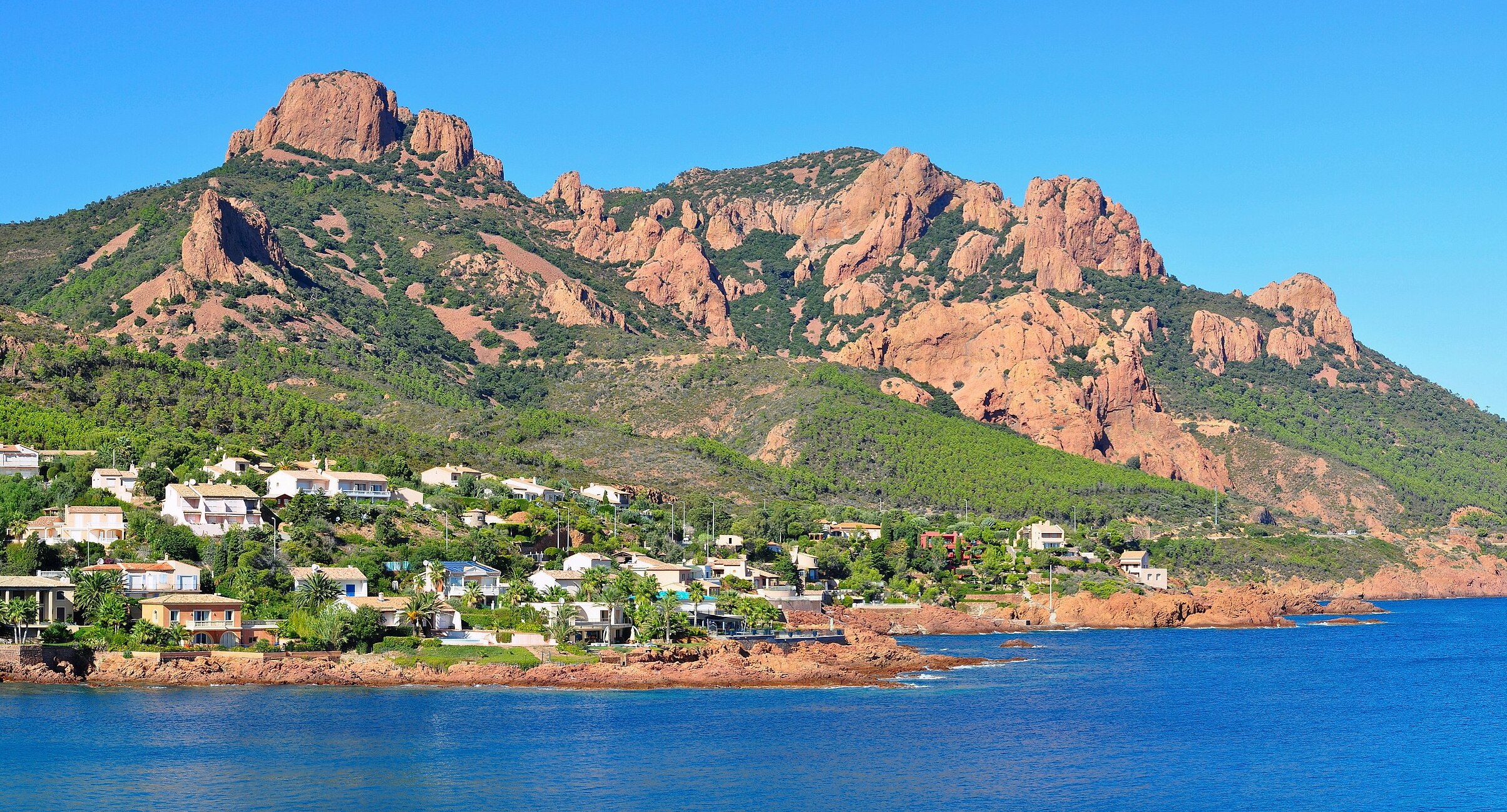

Breathtakingly beautiful and steeped in history, the Esterel Massif is a geological marvel that rises dramatically from the Mediterranean Sea. With its rugged red cliffs and azure waters, it’s hard to imagine that this stunning landscape was born from a tumultuous geological past—one that began approximately 250 million years ago. Originally part of the African tectonic plate, the Esterel separated during the formation of the Mediterranean, a process that not only shaped the region but also led to the birth of Corsica, whose silhouette can occasionally be spotted from the Esterel’s heights.
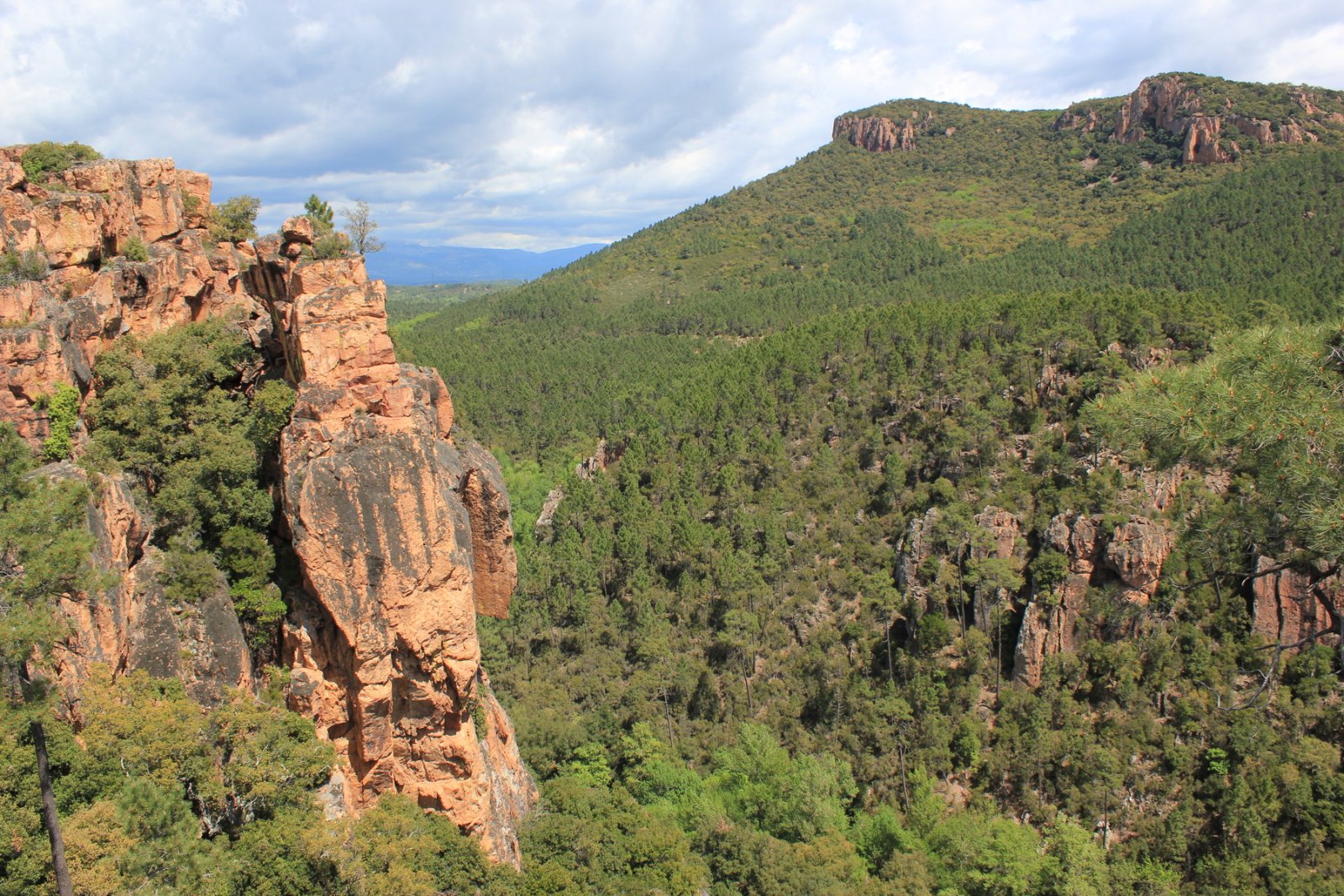
The history of the Esterel Massif is rich and varied. Ancient settlers took advantage of its natural resources, using the dense forests for timber and the coastal areas for fishing. The Romans, fascinated by its beauty, established settlements in the surrounding areas, and remnants of their aqueducts and villas can still be found near Fréjus. Over the centuries, the Esterel has been a source of inspiration and refuge for artists and writers, including the renowned French poet Paul Valéry, who found solace in its landscapes.
Architecturally, the region is a blend of ancient and modern influences. Fréjus, a town close to the massif, boasts remarkable structures including the Roman Amphitheatre, built in the 1st century AD. This architectural gem, with a capacity of 10,000 spectators, is a testament to the town's historical significance. As you wander through the narrow streets, you'll encounter charming Provençal houses adorned with vibrant flowers and intricate wrought iron balconies, reflecting the local craftsmanship and artistic traditions that have flourished here.
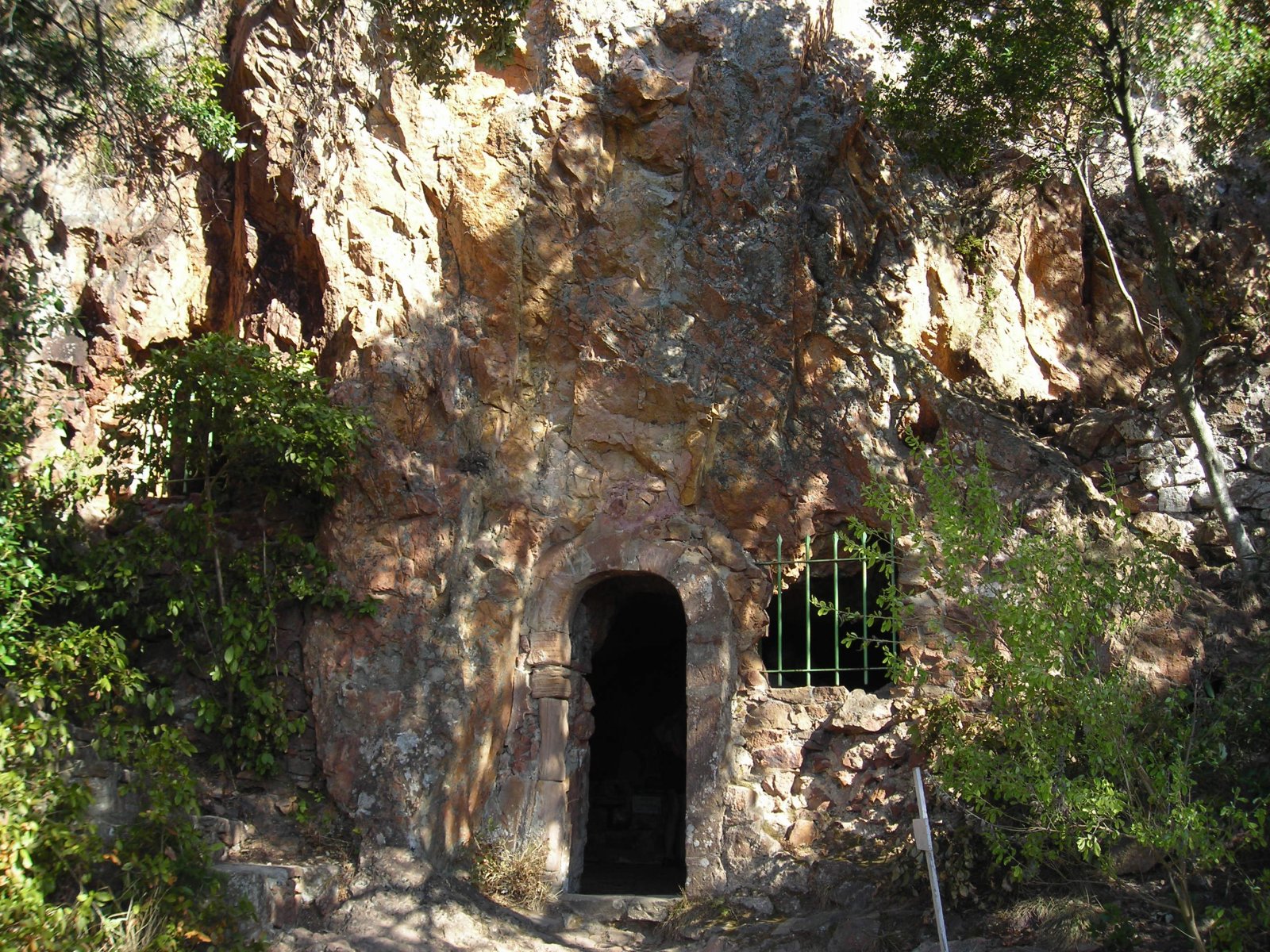
Local culture in the Esterel area is vibrant and deeply rooted in tradition. Festivals abound throughout the year, with the most prominent being the Festival of Fréjus, celebrating the town's rich heritage with music, dance, and delicious cuisine. The Fête de la Saint-Jean, held in late June, sees locals gathering to light bonfires on the beaches, symbolizing the arrival of summer. These customs showcase the community spirit and the region’s connection to the rhythms of nature.
Speaking of local customs, the gastronomy of the Esterel Massif is as rich as its history. The area is known for its Provençal cuisine, emphasizing fresh ingredients and traditional methods. Be sure to try bouillabaisse, a fragrant fish stew that reflects the coastal heritage, and ratatouille, a colorful medley of seasonal vegetables. Pair your meal with a glass of Côtes de Provence rosé, a wine celebrated for its crisp taste and floral notes, which perfectly complements the Mediterranean climate and local dishes.
While the Esterel Massif is often celebrated for its stunning vistas and outdoor activities, there are lesser-known curiosities that add to its charm. For instance, the region is home to a unique variety of Esterel granite, which is known for its striking red hue. This distinct color has not only influenced the landscape but also inspired local artisans to create beautiful jewelry and sculptures. Additionally, the Sentier du Littoral—a coastal path that runs along the massif—offers hidden coves and secluded beaches that many tourists overlook, providing a peaceful escape from the more popular spots.
For those planning to visit the Esterel Massif, the best time is during the spring and early autumn months when the weather is mild, and the landscapes are particularly vibrant. Hiking trails abound, with routes suitable for all levels of fitness. Don't miss the Pic de l’Ours, which offers panoramic views of the coastline and the Mediterranean—a rewarding experience for any adventurer.
When exploring the area, remember to bring plenty of water, wear good hiking shoes, and keep an eye out for local wildlife, including the diverse bird species that call this area home. Whether you’re looking for a leisurely stroll along the coast or an adventurous hike through the rugged terrain, the Esterel Massif has something for everyone.
In this enchanting region where history, culture, and natural beauty intertwine, you can create unforgettable memories. To enhance your experience, consider using the Secret World app for a personalized AI itinerary that will guide you through the wonders of Fréjus and beyond.


