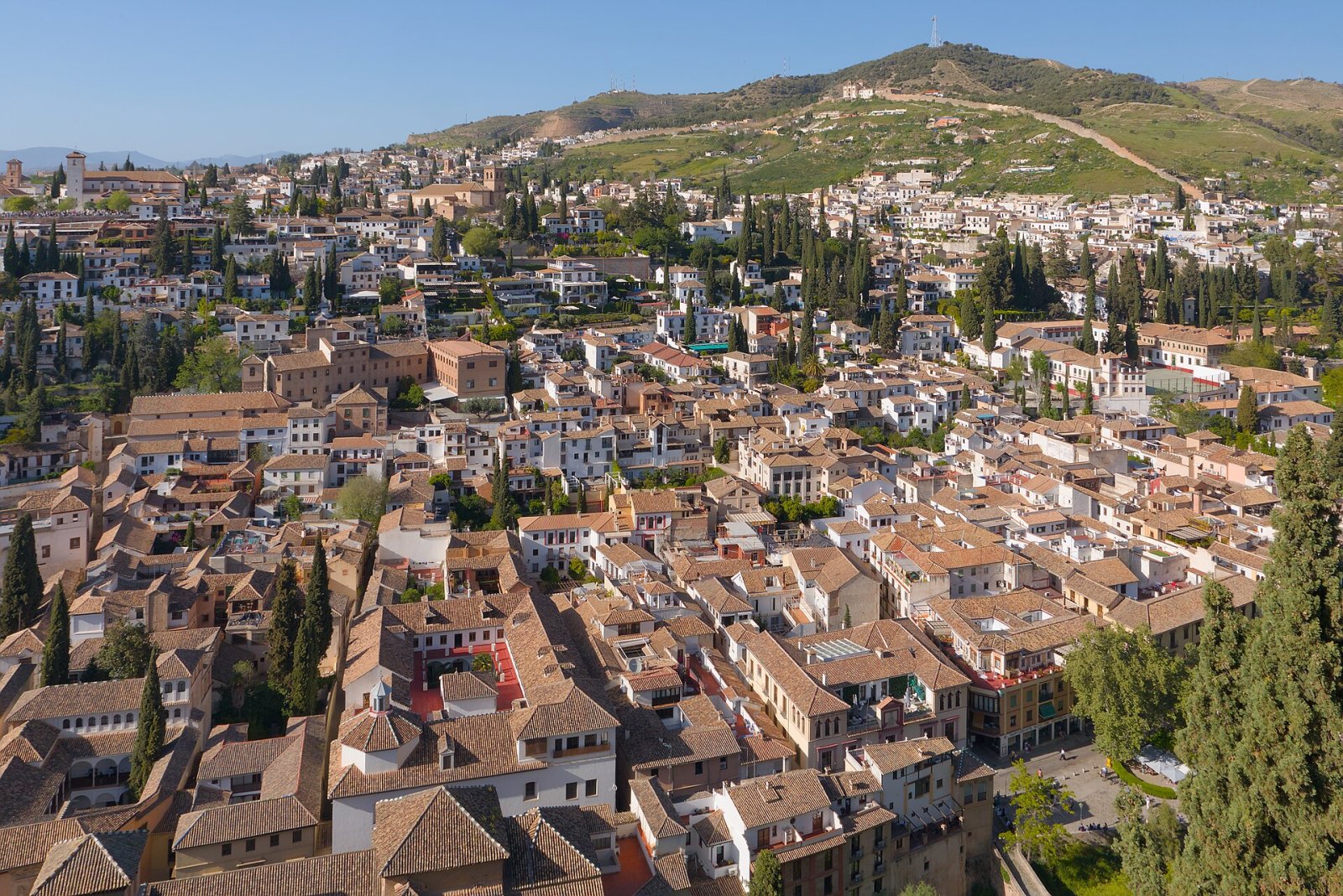
In the heart of Granada, the Albaicín stands as a charming labyrinth of cobbled streets and white houses, a testament to centuries of history and culture. This neighborhood, once home to Arabs, is a place where the past intertwines with the present, offering visitors a unique and evocative experience. Strolling through its alleys, one can feel the magical atmosphere that inspired poets like Joë Bousquet, who, despite his unfortunate living conditions, found in writing a way out and a form of expression.

The beauty of the Albaicín lies not only in its architecture but also in the breathtaking view it offers of the Alhambra, the most emblematic monument of Granada. This neighborhood invites you to get lost, to discover every corner, and to be captivated by its rich and varied history. Its strategic position on the hills overlooking the city makes it a privileged observation point for those wishing to admire the panorama of Granada and the surrounding mountains.
History and Origins
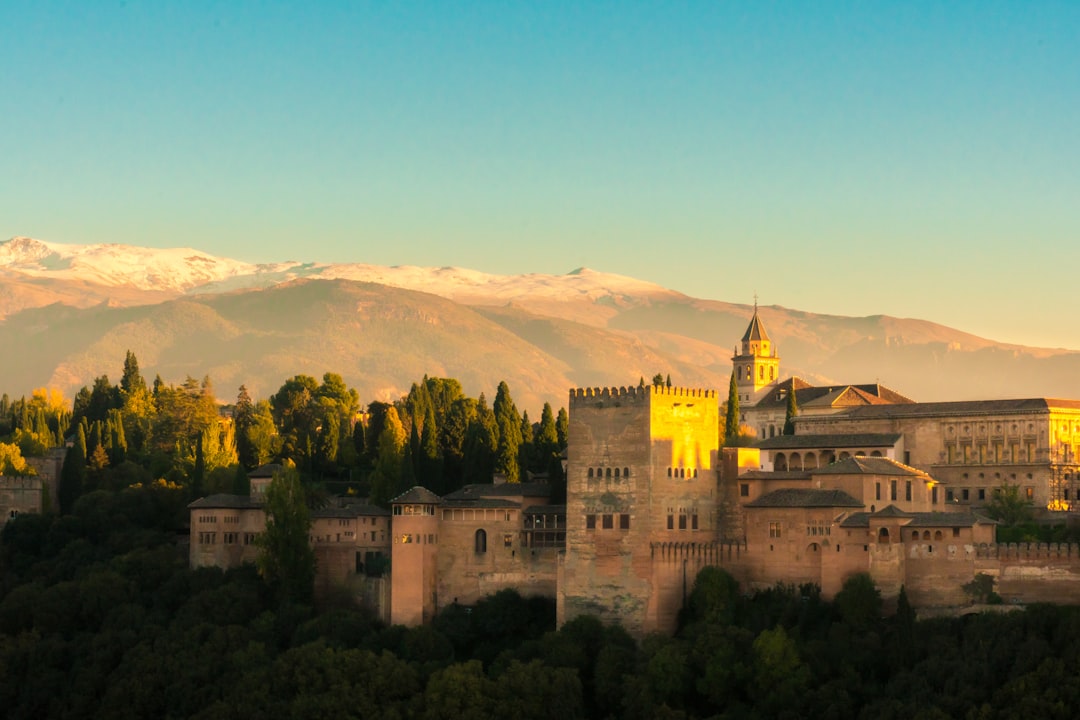
The Albaicín has ancient origins, dating back to the Muslim era when Granada was an important cultural and commercial center. Its architecture reflects Moorish influence, with houses featuring wrought iron balconies and inner courtyards that evoke an atmosphere of serenity and intimacy. With the Reconquista in 1492, the neighborhood underwent profound changes, but many of the original architectural elements remained intact, giving the place a timeless charm.
The history of the Albaicín is also a testament to the multiculturalism of Granada, where different civilizations have met and blended over the centuries. The presence of mosques transformed into churches and the artistic influences observable in the architectural details tell of a rich and complex past. This fusion of cultures has created a unique atmosphere, making the neighborhood a place of great historical interest.