


Nestled among the cultural fervor of Mandalay, the Shwenandaw Buddhist Temple emerges as an architectural gem often overlooked by tourists. While many head towards the famous pagodas and iconic monuments, this wooden monastery, with its intricate carvings and timeless charm, tells a story that deserves to be discovered.

Its walls adorned with sculptures and the scent of teak wood captivate visitors, offering a unique and intimate experience of Burmese spirituality. Every corner of this sacred place is laden with meaning and bears witness to an era when art and religion danced together in perfect harmony.
History and Origin of the Shwenandaw Temple
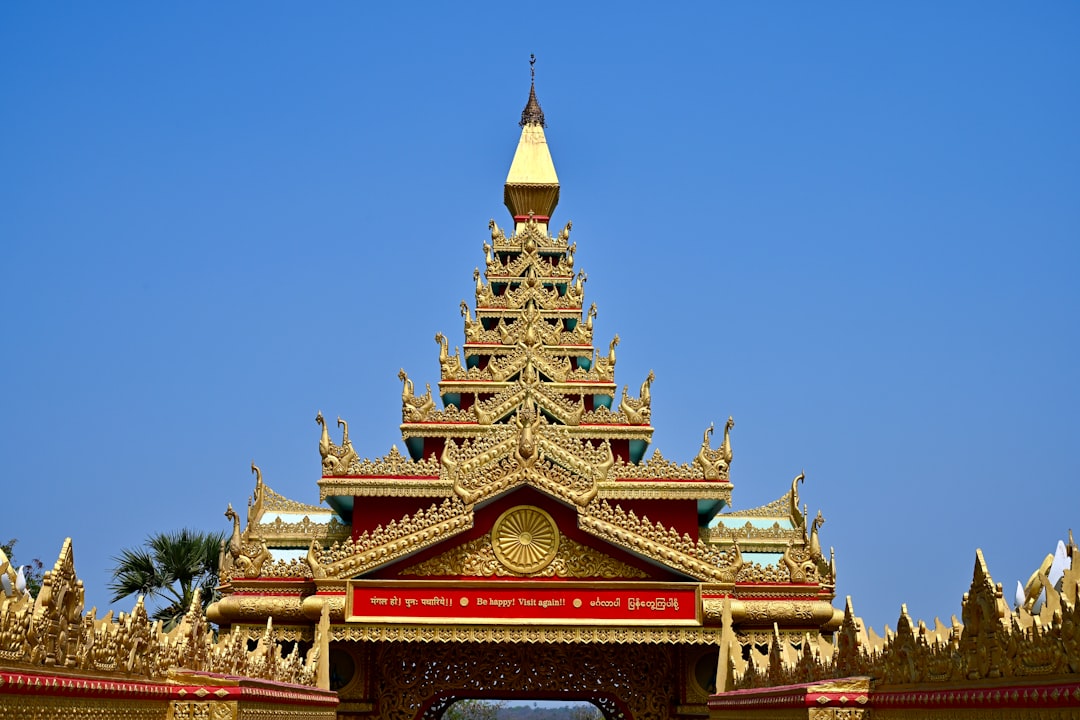
Built in the 19th century as part of the Royal Palace of Mandalay, the Shwenandaw Temple, also known as the Golden Monastery, is a paradigmatic example of Burmese architecture. Originally a reception hall, the monastery was transformed into a place of worship by King Mindon Min, the founder of the capital Mandalay. This transition marked a deep connection between royalty and spirituality, a recurring theme in Burmese history.
The monastery is made entirely of teak wood, a precious material that not only ensures strength and durability but also gives a warm and luminous beauty to the building. Legend has it that the king, in search of a quiet place for spiritual reflections, chose this splendid corner to build a refuge where monks could practice meditation and Buddhist teachings.

Architecture and Artistic Details
As soon as they pass through the entrance, visitors are struck by the majesty of the sculptures that adorn the walls of the temple. Each wooden panel, carved with astonishing details, tells stories of the life of Buddha and Burmese culture. The artists of the time spent hours and hours chiseling these details, creating a work of art that withstands the test of time.

The decorations include intricate representations of mythical animals, celestial figures, and scenes of everyday life, all connected by a narrative thread that celebrates spirituality and the beauty of life. The architecture of the temple is distinguished by its elegant lines and slender structure, typical of the Burmese style, inviting an experience of contemplation and serenity.
A place of meditation and tranquility
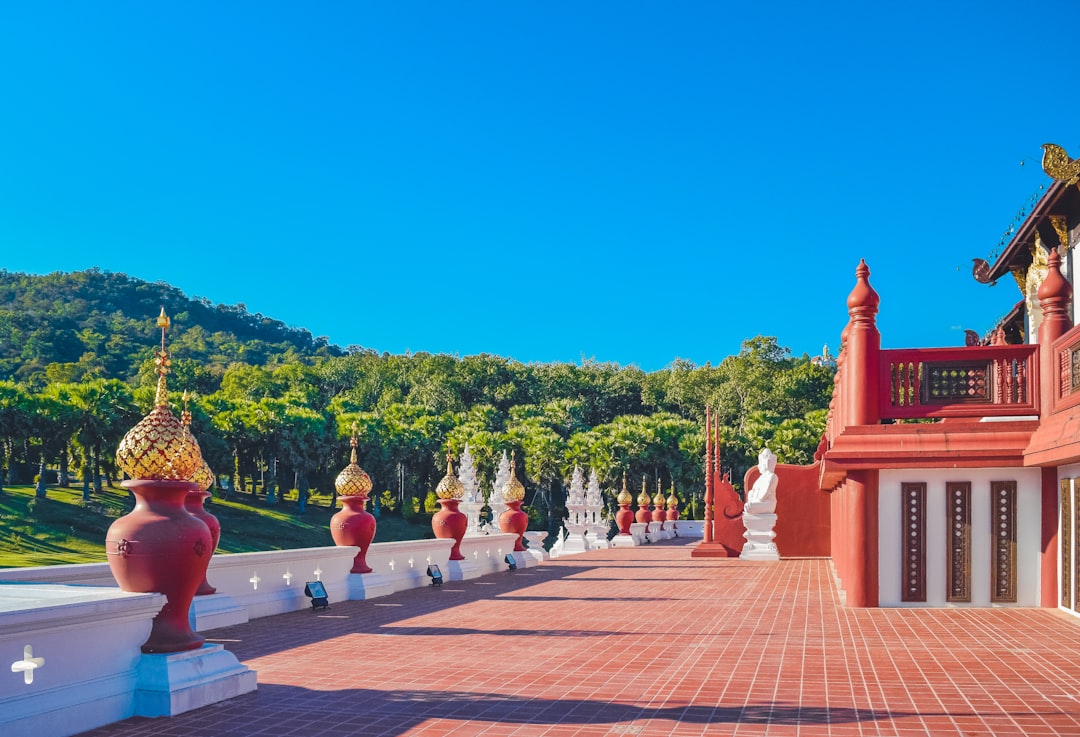
Although located in the bustling heart of Mandalay, the Shwenandaw Temple manages to maintain an atmosphere of peace and intimacy. As the noise of the city fades away, visitors can immerse themselves in a meditative experience, observing the monks who dedicate themselves to prayer or simply enjoying the beauty that surrounds them. This place is less crowded compared to other tourist attractions, allowing for a deeper connection with the local spiritual heritage.
The best times to visit the temple are at dawn or dusk, when the warm sunlight filters through the wooden windows, creating a magical atmosphere. The golden reflections on the wooden sculptures enhance the details and make the experience even more evocative, providing moments of pure beauty.
Conclusion: a hidden treasure not to be missed
The Shwenandaw Temple represents a unique fusion of spirituality, art, and history. On a trip to Mandalay, it is easy to be drawn to the more famous monuments, but overlooking a place of such importance and beauty would be a shame. This monastery is not just a place of worship, but a true treasure trove of Burmese culture that invites reflection and contemplation.
Every visit to the Shwenandaw Temple is an opportunity to discover a lesser-known side of Burma, to appreciate the craftsmanship of the master sculptors, and to be inspired by the serenity that permeates every corner of this extraordinary place. Don't forget to bring a camera and an open heart, ready to receive the beauty that this temple has to offer.


