

In the pulsating heart of Singapore, amidst skyscrapers and modernity, lies a place that tells stories of a often forgotten past: the Former Ford Factory. This historic establishment, inaugurated in 1947, witnessed crucial events during the Japanese occupation of the city, serving as the site of the British surrender in 1942.
Visiting it means not only immersing oneself in history but also feeling its unique atmosphere, where time seems to have stood still. The factory, with its art deco architectural style, is a wonderful mix of nostalgia and reflection, a place where the scars of the past intertwine with hopes for a better future.
A Journey Through Time: The History of the Former Ford Factory
Built to produce Ford automobiles during the post-war period, the Former Ford Factory is much more than just a building. It is said that, during World War II, its walls witnessed moments of great tension and fear. In February 1942, British forces surrendered to the Japanese right at this location, marking a dramatic turning point for the island. The factory's halls, now silent, once echoed with the sounds of machinery and the voices of workers, creating an atmosphere of intense activity.
In 1979, the factory was closed and subsequently converted into a museum, preserving many of the original elements. At the entrance, one can admire the large 'Ford' sign on the wall, a symbol of a bygone era that continues to attract visitors from around the world. The history of the factory is a reminder of the time when Singapore faced immense challenges and demonstrated extraordinary resilience.
A Museum of Memory: The Atmosphere and Exhibitions
Crossing the threshold of the Former Ford Factory is like entering another dimension, where the past becomes present. The atmosphere is filled with intense melancholy, the soft colors of the walls and concrete floors evoke the scars of a war. The dim lighting highlights historical objects, black and white photographs, and original documents, all testimonies of an era that profoundly marked the history of Singapore.
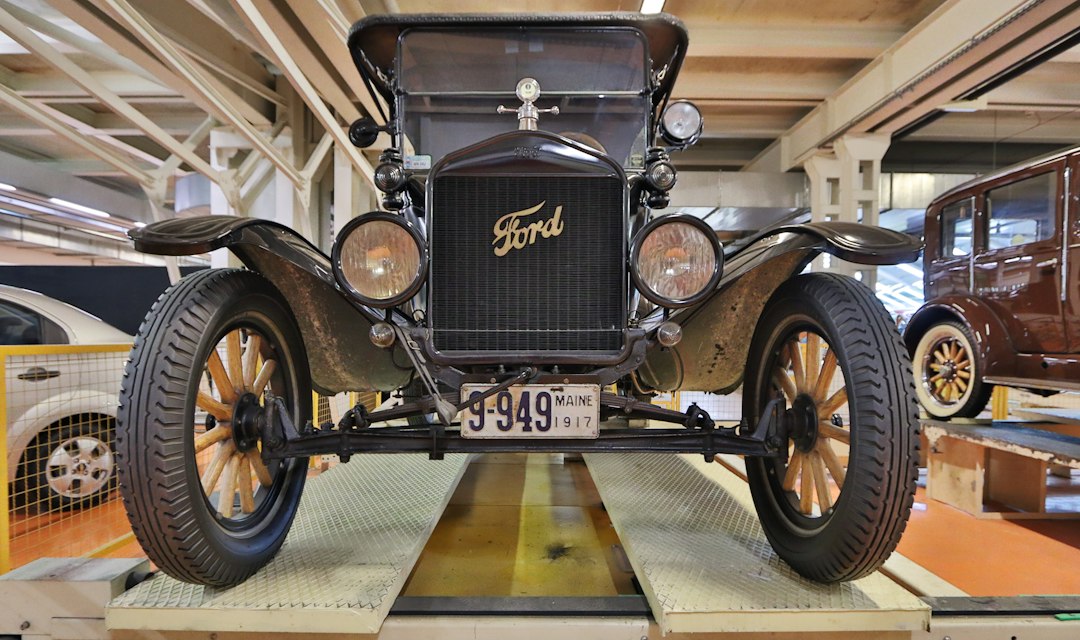
The exhibitions are curated with great care, allowing visitors to immerse themselves in the daily life of that period. Through stories of ordinary people, one can feel the emotions of those who lived those moments, from British soldiers to local citizens. It is an experience that touches the heart and invites reflection, an opportunity to understand the complexities of history and human relationships.
Curiosities and Legends: The Ghosts of the Past
It is said that the Former Ford Factory is also a place filled with legends and mysteries. Some visitors have reported sightings of ethereal figures wandering through the silent halls of the factory. These apparent ghosts may represent the souls of those who lived through the Japanese occupation, an eternal reminder of a painful past. But beyond the ghost stories, the place is imbued with a sense of sacredness, a tribute to life and death, hope and despair.
Another curiosity concerns the architecture of the building: it is said that the choice of an Art Deco style was a way to convey a sense of modernity and progress, even during a time of great turmoil. Walking through the corridors means discovering every corner, every detail, that tells a unique and often overlooked story. Don't forget to look around, because every element may have a story to tell.
Practical Tips for the Visit
For those who wish to visit the Former Ford Factory, there are some practical tips to keep in mind. First of all, it is advisable to book tickets in advance, especially during weekends or holidays, when the museum attracts a larger number of visitors. Guided tours offer a deeper perspective on the history of the place, allowing you to catch details that might escape an independent visitor.
Another recommendation is to take some time to stroll around the surrounding gardens. These green spaces provide a moment of reflection, an opportunity to savor the tranquility after experiencing the intensity of history. Finally, don't forget to visit the souvenir shop, where you can find books and memorabilia that further tell the story of the factory and Singapore.


