
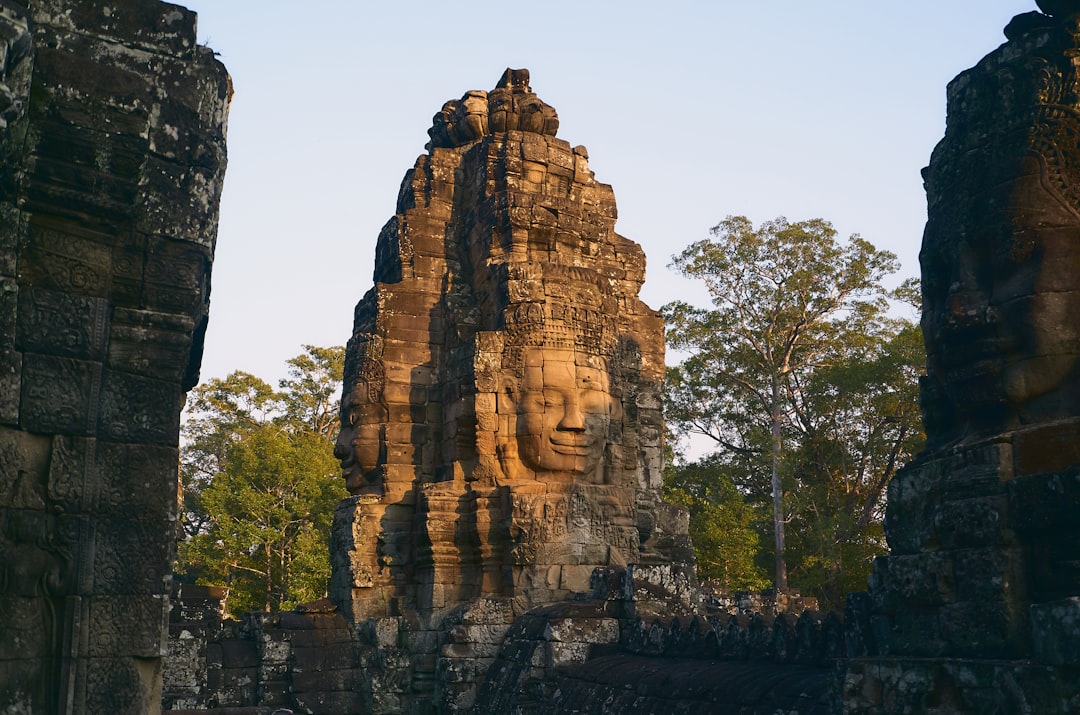

In the heart of Cambodia, the Buddhas represent not only a symbol of faith but also a testament to the rich cultural history of the country. These statues, found in numerous temples and shrines, are the result of centuries of artistic and spiritual evolution, reflecting the profound influence of Buddhism in the daily lives of Cambodians. Their presence invites visitors on a journey through time, where the sacred and the profane intertwine in a fascinating tale of devotion and art.
The Angkor region, with its majestic ruins and historical monuments, hosts some of the most iconic Buddhas, attracting tourists and scholars from around the world. Each statue tells a story, a moment of meditation and reflection, inviting the observer to a deeper connection with Cambodian spirituality and culture.
History and Origins
The Buddhas in Cambodia have ancient origins, linked to the spread of Buddhism in Southeast Asia. The diffusion of this religion has had a significant impact on the culture and art of the country, leading to the creation of statues that not only represent the Buddha but also the values and philosophies of Buddhism. These works of art are often carved from stone and can vary greatly in size and style, reflecting the different historical periods and artistic influences over the centuries.
Throughout Cambodian history, the Buddhas have been objects of veneration and respect. Buddhist temples, such as those at Angkor Wat, not only serve as places of worship but also as guardians of historical memory, preserving the traditions and spiritual practices that continue to influence modern society. Their presence is a constant reminder of the quest for inner peace and spiritual understanding.


