
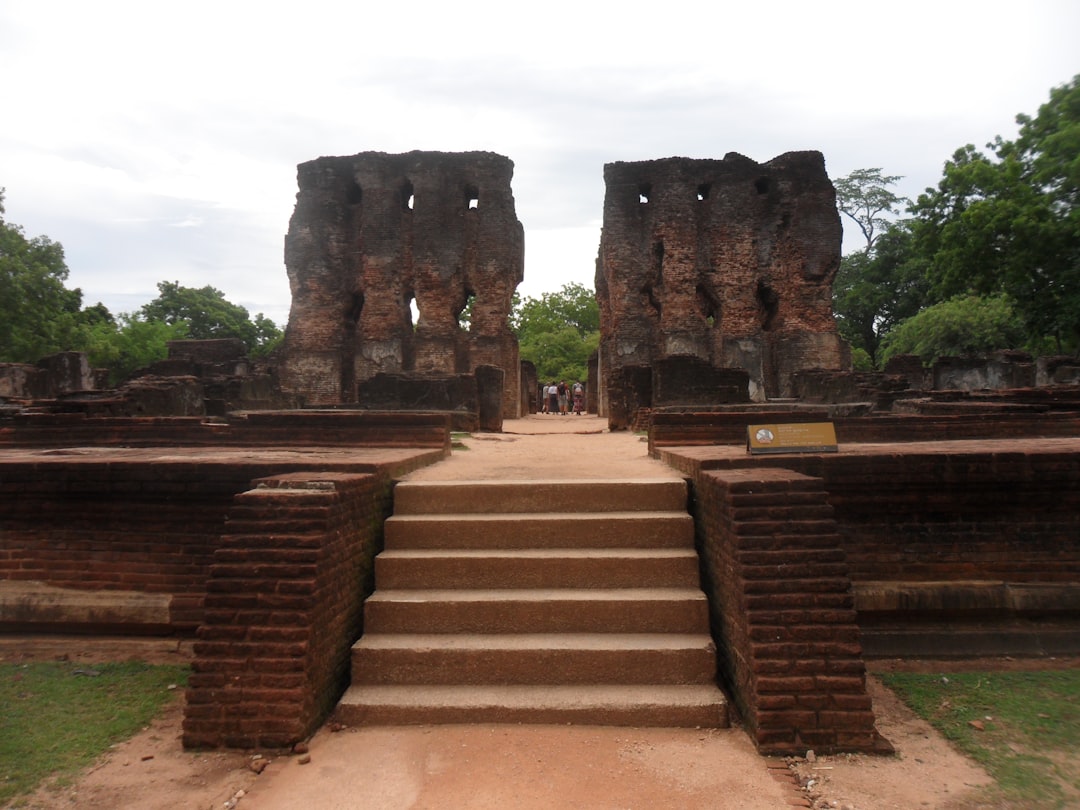

Located in the heart of Sri Lanka, the Royal Palace is a living testament to the rich history and fascinating culture of this nation. With its geographical coordinates placing it at 7.9434781 latitude and 80.9979259 longitude, this palace is not only a historical monument but also a symbol of royalty and the cultural heritage of Sri Lanka. Visiting the Royal Palace means immersing oneself in a past rich with significant events and captivating traditions.
The palace, with its imposing architecture and well-kept gardens, attracts visitors from all over the world, captivated by its beauty and the history it tells. Every corner of the Royal Palace reveals details that speak of an era when royalty dominated the political and cultural landscape of the country. This enchanting place offers a unique experience for those who wish to better understand the historical roots of Sri Lanka.
History and Origins
The Royal Palace has been a nerve center for the Sinhalese monarchy, which ruled much of Sri Lanka for centuries. Although specific dates or names of founders cannot be provided, it is clear that the palace played a crucial role in the political and social life of the country. Its construction took place during a time when Sinhalese architecture was reaching its peak, and the palace itself reflects the artistic and cultural influences of that time.
The rooms of the Royal Palace, adorned with frescoes and artworks, tell stories of kings and queens, battles, and alliances. The palace has undergone various renovations and expansions over the years, adapting to the changes in dynasties and artistic trends. This continuous evolution has contributed to creating a unique architectural complex that today represents an invaluable heritage for the nation.


