


In the heart of Morocco, among the golden dunes and breathtaking landscapes, lies Tumb, a place rich in history and traditions. Its strategic location has always attracted travelers and merchants, making it a crossroads of cultures and influences. Every corner of this place tells stories of past eras, reflecting the complexity of Moroccan heritage.

Visiting it means immersing oneself in a context where the past blends with the present, offering an authentic and engaging experience. Tumb is not just a tourist destination, but a journey through the epochs that have shaped modern Morocco.
History and Origins
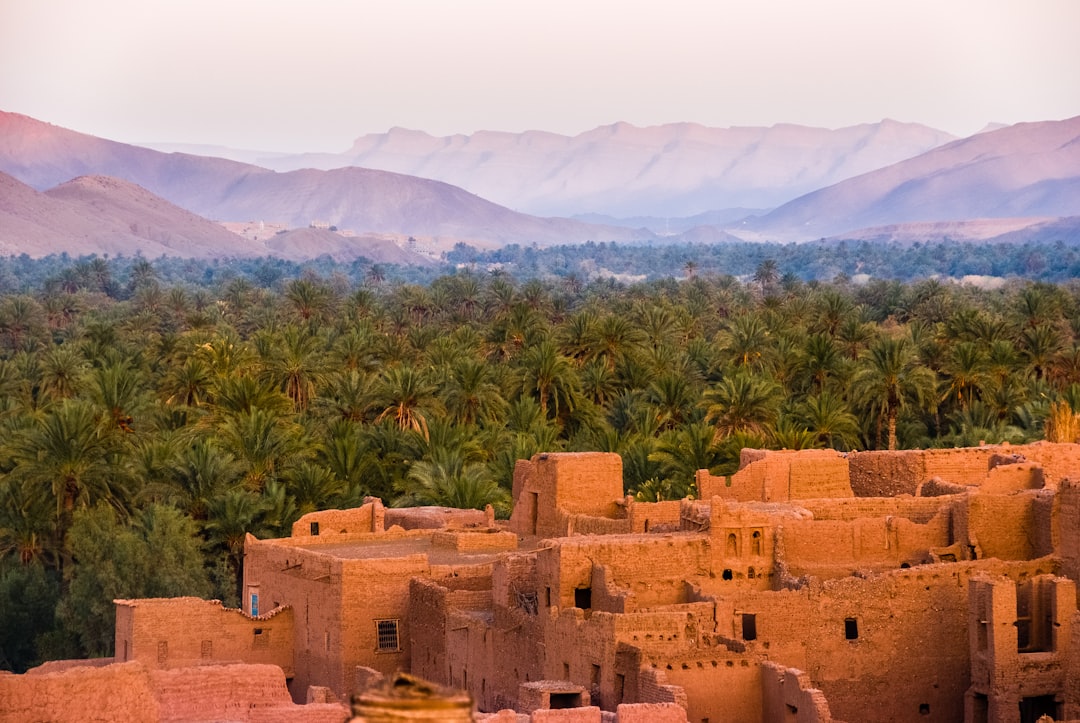
Tumb, although not one of the most well-known cities in Morocco, has historical roots that date back centuries. Its foundation is linked to the emergence of trade routes that connected different regions of the country, making it a landmark for merchants. Throughout its development, Tumb has witnessed the succession of various dominations, each of which has left an indelible mark on the local culture.
The history of Tumb is intrinsically linked to that of Morocco, a country that has seen the influence of many civilizations, from the Phoenicians to the Arabs, and up to the Europeans. Each era has contributed to creating a unique cultural mosaic, visible in the traditions, architecture, and daily practices of the inhabitants.


