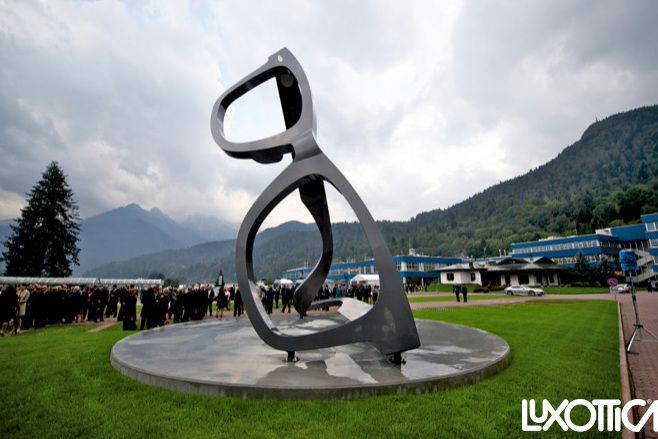

Nestled amidst the enchanting Dolomites, Pieve di Cadore is not only a picturesque example of Italian alpine beauty but also the proud home of the Eyewear Museum, or "Museo dell'Ottica," established by the Luxottica Group. This unique museum, inaugurated in 1991 to mark the company’s thirtieth anniversary, showcases a rich tapestry of optical history, reflecting centuries of craftsmanship and innovation in eyewear.
### History and Origins
The history of optics in this region is as fascinating as the artifacts it houses. The roots of eyewear can be traced back to ancient civilizations, with the first known lenses made from polished crystal and found in Ancient Rome. By the late 13th century, glasses as we know them began to emerge in Europe, and by the Renaissance, eyewear became a symbol of intellect and sophistication.
Luxottica, founded in 1961 by Leonardo Del Vecchio, has grown into a global titan in the eyewear industry, thanks in part to its origins in Pieve di Cadore, where the craftsmanship of eyewear has deep historical significance. The region has long been associated with glass-making and optics, making it a fitting location for a museum dedicated to the evolution of eyewear.
### Art and Architecture
The Eyewear Museum itself is a beautifully designed space that harmonizes with the natural landscape of the Dolomites. Its architecture reflects a modern yet respectful approach to its surroundings, featuring clean lines and large windows that allow natural light to illuminate the exhibits. Inside, visitors are greeted by over 1,200 pieces, including an impressive collection of historical glasses dating back to around 1500.
Among the museum's most valuable artifacts are the 700 pairs of antique glasses, with some originating from China and Persia. The aesthetic appeal of these items is complemented by an array of artistic works, including engravings and paintings that depict the evolution of eyewear throughout history. Notably, the museum also displays a 1682 telescope created by Giuseppe Componi, renowned for its remarkable length of eight meters, which is a testament to the intricate craftsmanship of the time.
### Local Culture and Traditions
Pieve di Cadore is steeped in rich traditions that reflect its historical significance in the region. The town celebrates various local festivals, such as the Festa della Madonna del Rosario, held in October, which honors the town's patroness with processions and communal feasting. The cultural importance of eyewear is also celebrated through local craftsmanship, as artisans continue to contribute to the legacy of eyewear production.
Visitors might also engage with the custom of enjoying a leisurely passeggiata (evening stroll) through the charming streets, a beloved tradition among locals. This leisurely activity often leads to friendly conversations and the sharing of stories, creating a sense of community that is integral to the town's identity.
### Gastronomy
No visit to Pieve di Cadore would be complete without indulging in its local gastronomy. The region is famous for its hearty mountain cuisine, which features dishes like Canederli (bread dumplings) and Polenta, often served with rich sauces or stews. For those with a sweet tooth, the traditional Strudel di Mele (apple strudel) offers a delightful end to any meal, embodying the flavors of the surrounding orchards.
Visitors should also sample the local Prosecco, a sparkling wine that pairs beautifully with the region's dishes. This effervescent drink is a staple at social gatherings and reflects the joyful spirit of the locals.
### Lesser-Known Curiosities
While the Eyewear Museum is undoubtedly the highlight, there are lesser-known gems in the vicinity that many tourists overlook. One such curiosity is the Piccolo Museo della Grande Guerra, dedicated to World War I artifacts, which provides a poignant contrast to the light-hearted theme of the eyewear museum. Additionally, the area is home to several ancient churches, such as the Church of Santa Maria Nascente, which features stunning frescoes and offers a glimpse into the religious art of the region.
Another intriguing fact is that the town was the birthplace of Tiziano Vecellio, known as Titian, one of the most important painters of the Venetian school. Visitors can explore sites related to his life and work, adding an artistic dimension to their trip.
### Practical Visitor Information
The best time to visit Pieve di Cadore is during the spring and autumn months, when the weather is mild, and the natural beauty is at its peak. The museum is open year-round but check for specific hours and possible guided tour availability. To maximize your experience, take note of special events or exhibitions that may coincide with your visit.
When exploring the museum, make sure to look for the intricate details of each piece, from the craftsmanship of the frames to the historical context of the lenses. Engaging with the knowledgeable staff can also provide deeper insights into the significance of the collection.
For a seamless experience in planning your visit to Pieve di Cadore, consider using the Secret World app to create a personalized AI itinerary that highlights the town's unique offerings.
