
← Back

Fabada asturiana

Asturie, Asturias, Spagna ★★★★☆ 373 views
Monica De Falco
Asturie
🏆 AI Trip Planner 2026

Get the free app

Discover the best of Asturie with Secret World — the AI trip planner with 1M+ destinations. Get personalized itineraries, hidden gems and local tips. Free on iOS & Android.

🧠 AI Itineraries 🎒 Trip Toolkit 🎮 KnowWhere Game 🎧 Audio Guides 📹 Videos
Scan to download iOS / Android
Scan for AppGallery Huawei users

About Fabada asturiana

Fabada asturiana - Asturie | Secret World Trip Planner

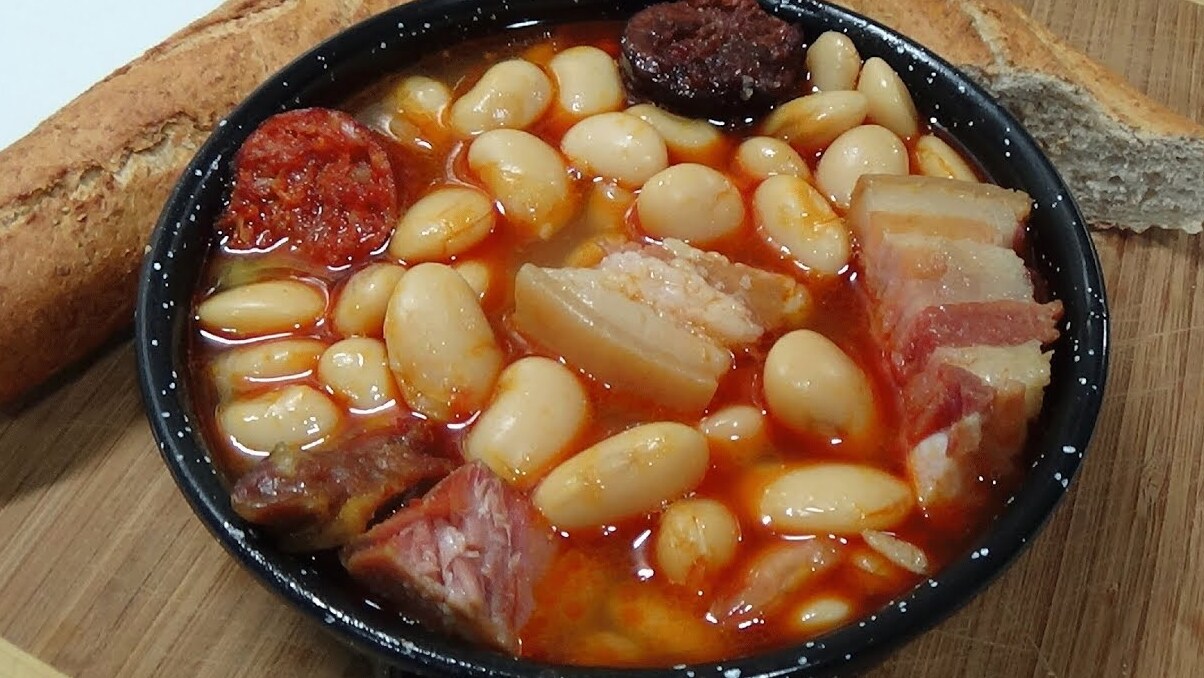
The most universal dish in Asturias is the fabada. An abundant and popular dish, a source of energy above all, that has given the Principality great fame, its people part of its "grandon" mood and all the stomachs that host it an unforgettable "fartura". At this point this information is perogrullo. The problem is that behind this gastronomic truth hides a huge variety of Asturian beans and an endless number of parallel plates, with thousand ingredients, and in principle lighter, that we will also try to elucidate here. The typically Asturian fabada has demanding traditional guidelines, and it is spoken of as unique and singular, sometimes without considering the other regional "fabistic" wealth, the typology of native beans that accompany as "misses" secondary to the queen of the regional recipes Let's see. Some of the most popular varieties of Asturian beans are: roxa, or colorá (to stew); Verdina (very fashionable, small and green to eat with eels or rabbit, seafood in general or game dishes); Fabones, or beans of May; that of the kidney (to serve with vegetables); the pint, the güeyín, the amarillina, the granjilla, etc, etc.

Fabada asturiana - Asturie | Secret World Trip Planner

Jovellanos, in his diaries, speaks of Asturian fabas or beans which shows that, at least since the eighteenth century, this crop was widespread throughout the Principality, already brewing the neat quantity and quality of the varieties that we find today. The one that is usually associated with the fabada proper is that of the Farm or of the Healing. But it also offers a versatile versatility in its cooking. Apart from the one accompany the famous "compangu", this white grain bean, oblong, straight, long and flattened, large in size, is eaten with many other tasty and indigenous ingredients.

That said let's focus on that masterful and specific fabada that prestige of Asturian beans in general and its multiple recipes. The fabada is the quintessential dish, so excellent that sometimes it is not even accompanied by a main course, but a digestive dessert. As said, it is made with "farm fabes" or "butter fabes," a kind of large, soft and very thin skinned bean, so typical of Asturias that, apparently, it does not thrive in other national gardens. Some people call it a "pillow", it is buttery on the palate when it is well cooked and the previous soaking considerably increases its volume.

🗺 AI Trip Planner 2026

Plan your visit to Asturie

Suggested itinerary near Fabada asturiana

MAJ+
500.000+ travelers worldwide
  1. 🌅
    Morning
    Fabada asturiana
    📍 Asturie
  2. ☀️
    Afternoon
    Asturias dishes: Fabada
    📍 0 km · Asturie
  3. 🌆
    Evening
    San Francisco Park
    📍 0.7 km · Asturie

Buy Unique Travel Experiences

Powered by Viator

See more on Viator.com

Explore nearby · Asturie

Frequently Asked Questions

Asturias boasts numerous native bean varieties beyond the famous white Faba bean, including roxa (red beans for stewing), Verdina (small green beans paired with seafood and game), Fabones (May beans), kidney beans, pint, güeyín, amarillina, and granjilla. Each variety offers distinct flavors and textures, making Asturian bean cuisine far more diverse than the traditional fabada alone.
Fabada has been documented in Asturias since at least the eighteenth century, as mentioned in the diaries of Jovellanos, proving the crop and its varieties were already widespread throughout the Principality centuries ago. This long history demonstrates how deeply rooted this dish is in Asturian cultural and culinary identity.
Traditional fabada uses large, white, oblong Faba beans and follows demanding traditional guidelines as the quintessential regional dish, often served alone without a main course. However, Asturias offers numerous lighter variations with the same versatile beans paired with different ingredients like eels, rabbit, seafood, game, and vegetables, each creating distinct parallel plates within the region's broader bean-cooking tradition.
The Faba or Healing bean variety is the traditional bean most associated with authentic fabada proper, prized for its large size and distinctive oblong, straight, long and flattened shape. Beyond the famous fabada dish, this versatile white grain bean is also cooked with many other tasty indigenous ingredients throughout Asturian cuisine.
In Asturian dialect, 'fartura' refers to the unforgettable, deeply satisfying experience that fabada provides to those who enjoy it—part of the region's characteristic 'grandon' (generous) mood and abundant culinary tradition. The dish is not just a meal but a cultural experience that embodies the energy, generosity, and gastronomic pride of the Asturian people.