
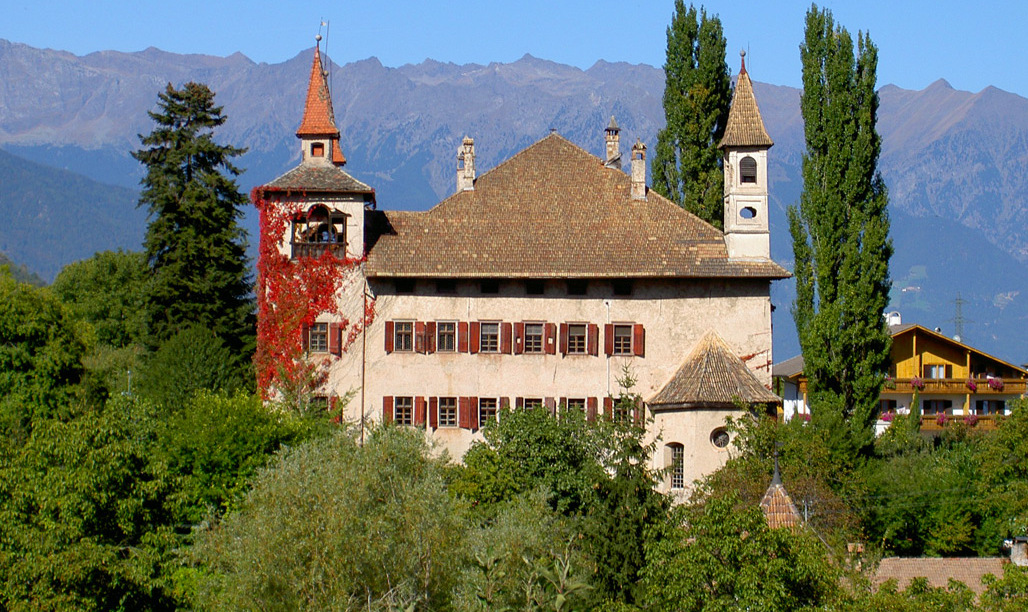

Nestled amidst the serene hills of Prissian, Italy, Fahlburg Castle, or Castel Fahlburg, stands as a testament to the region’s rich history and architectural elegance. Constructed in the 13th century, this enchanting fortress was originally built as a defensive stronghold, known as Turm zu Vall (tower of the valley), by the prominent Lords von Zobel. The castle's strategic position on Monte di Mezzo allowed it to oversee the surrounding valleys, making it a key player in the historical conflicts of the region.
The castle underwent a significant transformation in the late 16th century when Jakob Andrä von Brandis acquired it and, in 1615, reimagined it as a Renaissance castle. This period saw the introduction of a more sophisticated architectural style, characterized by elegant arched windows, frescoed ceilings, and intricate wooden elements that are still evident today. The castle served not only as a summer residence for the Counts von Brandis but also as a seat of local governance.
Within the walls of Fahlburg Castle, visitors can admire the splendid Renaissance features that have been meticulously preserved. The interior boasts beautifully ornate tiled stoves, wooden ceilings that echo the craftsmanship of the time, and captivating masterpieces by the renowned painter Stefan Kessler, whose works breathe life into the castle’s history. One cannot miss the two-storey chapel, a serene space that reflects the spiritual significance of the castle throughout its history.
The local culture surrounding Prissian is vibrant and steeped in tradition. The castle itself is often the backdrop for various local festivals that celebrate the region’s heritage. Among these, the Prissian Wine Festival is a highlight, showcasing the area’s fine wines and traditional music. Locals, dressed in historical costumes, reenact scenes from the past, bringing the castle’s history to life for visitors and fostering a sense of community.
Gastronomy in Prissian is an experience unto itself. The region is famous for its hearty South Tyrolean cuisine, infused with both Italian and German influences. Dishes such as Speck platter (cured ham) and Schlutzkrapfen (stuffed pasta) are local favorites, often paired with the robust wines produced in the surrounding vineyards. Don’t miss out on tasting the region’s exquisite Gewürztraminer, a fragrant white wine that complements the rich flavors of the local fare.
For those who seek lesser-known curiosities, Fahlburg Castle holds a few surprises. Legend has it that the castle was once home to a secret passage, rumored to lead to a hidden treasure, though its exact location remains a mystery. Additionally, the castle’s architecture features unique elements that blend regional styles, showcasing a fascinating blend of Gothic foundations and Renaissance embellishments, a detail that often goes unnoticed by casual observers.
The best time to visit Fahlburg Castle is during the late spring and early autumn months when the weather is mild, and the surrounding landscapes are alive with lush greenery. Be sure to wear comfortable shoes, as the path leading up to the castle can be steep, but the effort is rewarded with breathtaking views of the valleys below. When exploring the castle, take a moment to appreciate the intricate details in the architecture and the tranquil atmosphere of the chapel.
In conclusion, Fahlburg Castle is more than just a historical landmark; it is a living piece of Prissian culture, reflecting the intertwined legacies of art, tradition, and gastronomy. As you wander through its storied halls, you’ll find yourself stepping back in time, enveloped in the rich tapestry of history that defines this remarkable place.
For a personalized experience in planning your visit, consider using the Secret World app to craft your own unique itinerary for Prissian.


