



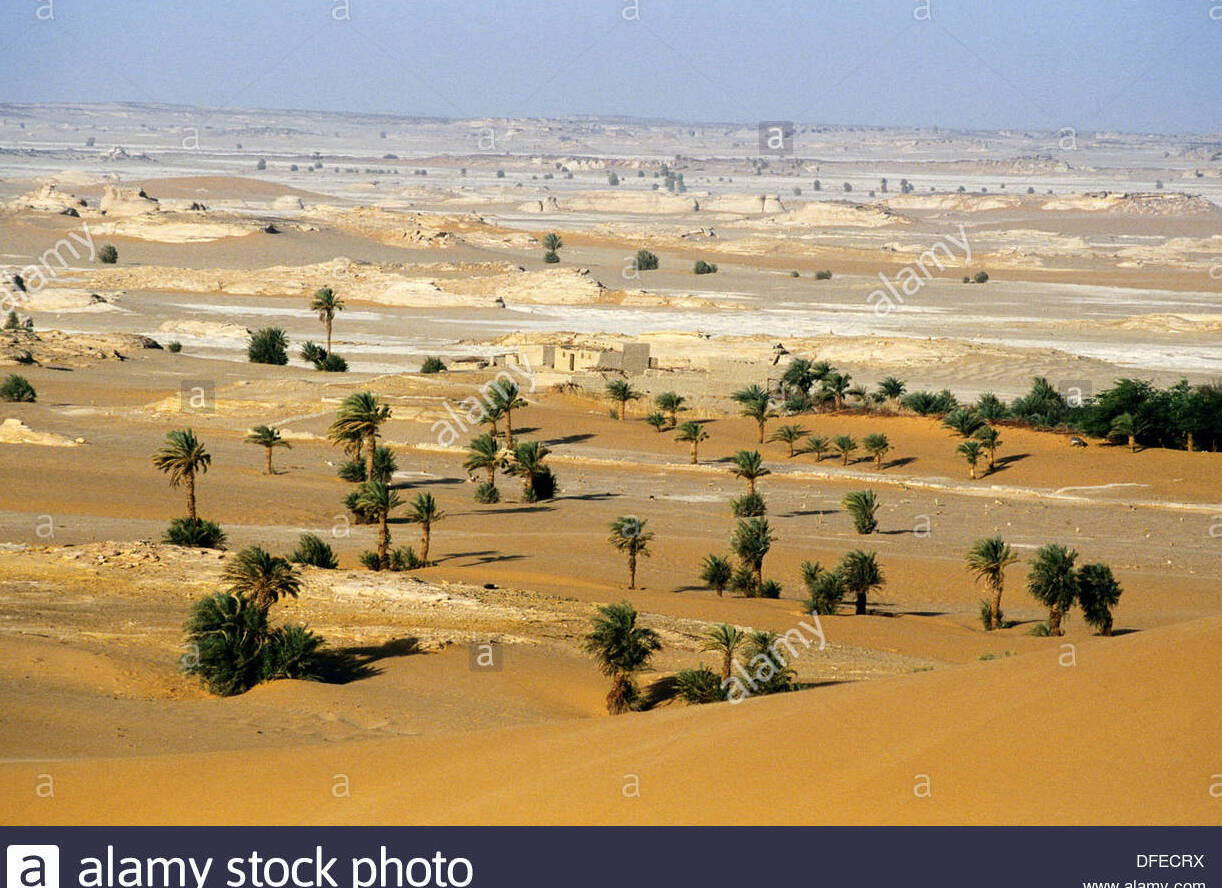
Faya, sometimes still known by its post-colonial name of Faya-Largeau, is the largest oasis in northern Chad and a vibrant crossroads of history and culture. Nestled in the heart of the Sahara Desert, Faya-Largeau serves as a vital lifeline for nomadic tribes and travelers alike, often attracting those seeking to explore its unique landscape and rich heritage.
### History and Origins The history of Faya dates back to ancient times, when it served as a crucial stop for caravans traversing the Sahara. The oasis was not only a source of water but also a meeting point for traders from various regions. Its strategic location made it a significant outpost during the Trans-Saharan trade, allowing the exchange of goods such as salt, gold, and textiles.
In the 19th century, Faya became more recognized as part of the larger French colonial ambitions in Africa. The oasis was officially named Faya-Largeau during this period, reflecting its importance to French expeditions. The establishment of a military post in the 1900s further solidified its status as a key location in northern Chad.
### Art and Architecture Architecturally, Faya blends traditional Chadian designs with influences from colonial structures. The adobe buildings, characterized by their earthen tones and intricate patterns, reflect the local adaptation to the harsh desert climate. Notable sites include the Grand Mosque of Faya, which showcases traditional Islamic architecture with its domed roof and minaret, providing a spiritual anchor for the community.
In addition to architecture, the art scene in Faya is vibrant, with local artisans creating textiles, jewelry, and pottery that represent the rich cultural tapestry of the region. These artworks often feature symbols and motifs derived from the natural surroundings and local legends, making them significant both artistically and culturally.
### Local Culture and Traditions The culture of Faya is deeply rooted in the traditions of the Toubou people, who have inhabited this region for centuries. Their customs are a blend of indigenous beliefs and Islamic practices, creating a unique cultural identity. Festivals such as the Festival of the Oasis celebrate the arrival of the rainy season, bringing together local tribes for music, dance, and communal feasting.
In daily life, hospitality is a cornerstone of Toubou culture. Visitors are often welcomed with traditional Chadian tea, a sweet, spiced beverage that symbolizes friendship and respect. The art of brewing tea is an essential part of social gatherings, often accompanied by storytelling and laughter.
### Gastronomy The gastronomy of Faya reflects its desert environment and the resources available. Typical dishes include boulma, a dish made from semolina and served with meat or vegetable stews, and foutou, a doughy staple made from cassava or yam. Spices brought by traders add rich flavors to these dishes.
Local markets are a treasure trove of culinary delights, where visitors can sample date syrup, fresh fruits, and locally made bread. Camel milk, a staple of the Toubou diet, is often consumed fresh or used in cooking, showcasing the importance of livestock in this arid landscape.
### Lesser-Known Curiosities One of Faya's hidden gems is its stunning night sky. With minimal light pollution, the oasis offers some of the clearest views of the stars in the world. Stargazing becomes a communal activity, where locals share stories of constellations that have guided their ancestors through the desert.
Additionally, the surrounding landscape is dotted with ancient petroglyphs, which are often overlooked by tourists. These carvings, believed to date back thousands of years, depict scenes of hunting and daily life, offering a glimpse into the region's prehistoric past.
### Practical Visitor Information The best time to visit Faya is during the cooler months, from November to February, when daytime temperatures are more manageable. However, prepare for the significant temperature drop at night. Travelers should be aware of the harsh desert environment and stay hydrated.
For those looking to explore the oasis, consider hiring a local guide who can provide valuable insights into the culture and history of the area. Keep an eye out for local markets where you can purchase traditional crafts and foods, and don’t miss the opportunity to experience a traditional Toubou tea ceremony.
To make the most of your visit to Faya Largeau, consider using the Secret World app to plan a personalized itinerary that captures the essence of this remarkable oasis.
