
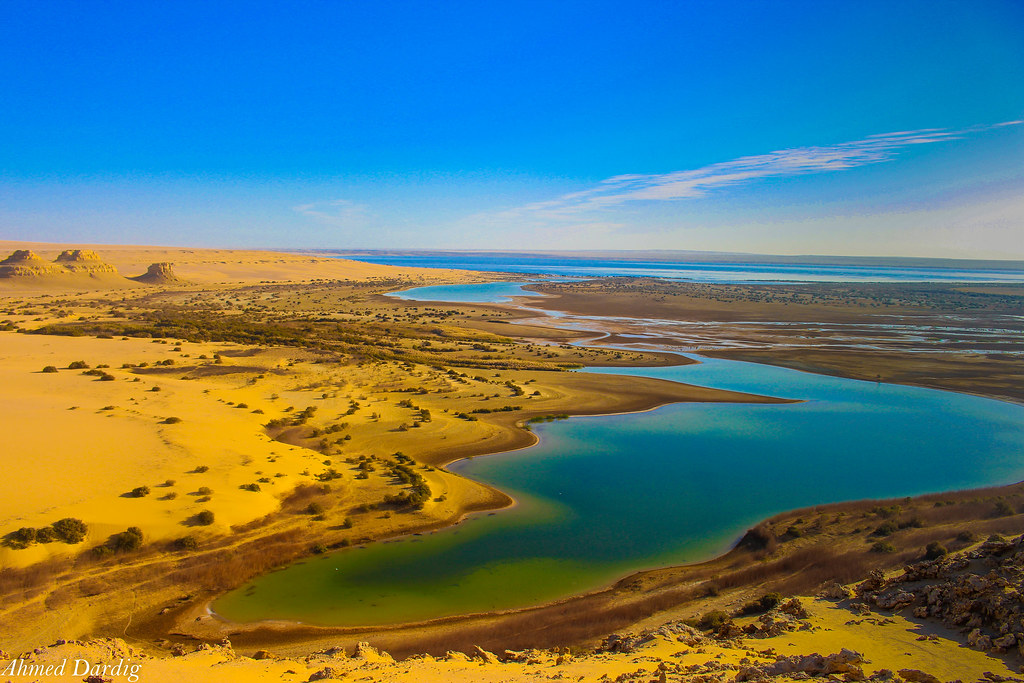

About 60 miles southwest of Cairo lies Fayoum, a region rich in history and culture, often regarded as one of Egypt’s most enchanting oases. Once known as Crocodilopolis by the Greeks, Fayoum is steeped in ancient mythology and historical significance, where the pharaohs constructed opulent pleasure palaces and the Greeks erected temples to honor Lake Moeris—home to sacred crocodiles revered by the locals.
The history of Fayoum stretches back to the times of the Old Kingdom. It was here that the Egyptian Pharaohs built magnificent structures and cultivated the fertile lands surrounding the lake. The Greeks later recognized its significance, establishing the city of Crocodilopolis in the 4th century BCE. This city became a vibrant center for the cult of Sobek, the crocodile god, symbolizing fertility and military prowess. The remnants of two temples dedicated to Sobek still stand today, whispering stories of a time when worship and reverence for nature intertwined deeply with daily life.
Architecturally, Fayoum offers a diverse palette of styles that reflect its rich history. The Madinat Madi temple, the largest surviving temple from the intermediate period of the Pharaonic era, showcases stunning Ptolemaic architecture with its intricately carved columns and reliefs. Visitors can marvel at the grand three-floor Qaroun Palace, where a king’s throne and ancient murals tell tales dating back to 323 BCE. The Hawwara and Al-Lahun pyramids, located nearby, further highlight the architectural ingenuity of ancient Egyptians, each pyramid a testament to their beliefs in the afterlife and the divine.
Local culture in Fayoum is vibrant and steeped in tradition. The region is known for its traditional crafts, particularly pottery and weaving. The locals celebrate various festivals throughout the year, with Moulid festivities honoring local saints being particularly noteworthy. These events feature lively music, dance, and a showcase of local cuisine, allowing visitors a taste of authentic Fayoumi hospitality.
Speaking of cuisine, Fayoum is a hidden gem for food lovers. The region is famous for its foul (fava beans), often served with a drizzle of olive oil, fresh vegetables, and spices. Another local favorite is koshari, a hearty mix of rice, lentils, pasta, and tomato sauce, garnished with fried onions. Don’t miss trying bakee, a traditional bread made in clay ovens, often served with grilled meats or stews. For a refreshing drink, locals enjoy qamar al-din, a sweet apricot juice that is especially popular during the month of Ramadan.
While many travelers flock to well-known sites, Fayoum offers unique surprises for those willing to explore. One lesser-known gem is the Whale Valley, an open-air museum that showcases fossilized whale skeletons, shark teeth, and petrified shells. This area tells the story of an ancient ocean that once covered the land. Additionally, the Fayoum Oasis is home to stunning natural landscapes, including the Wadi El-Rayan waterfalls and the Qaroun Lake, where visitors can enjoy birdwatching, particularly during migration seasons.
The best time to visit Fayoum is during the cooler months, from October to April. Temperatures are mild, making it comfortable to explore the historical sites and natural wonders. When planning your visit, consider hiring a local guide who can provide insights into the rich history and cultural significance of the area, enhancing your experience.
For those looking to navigate Fayoum’s treasures, remember to pack essential items like sunscreen, a hat, and comfortable walking shoes. Each step in this oasis is a journey through time, revealing layers of history, culture, and nature.
As you plan your adventure, consider using the Secret World app to customize your itinerary and ensure you uncover the hidden gems of Fayoum.


