
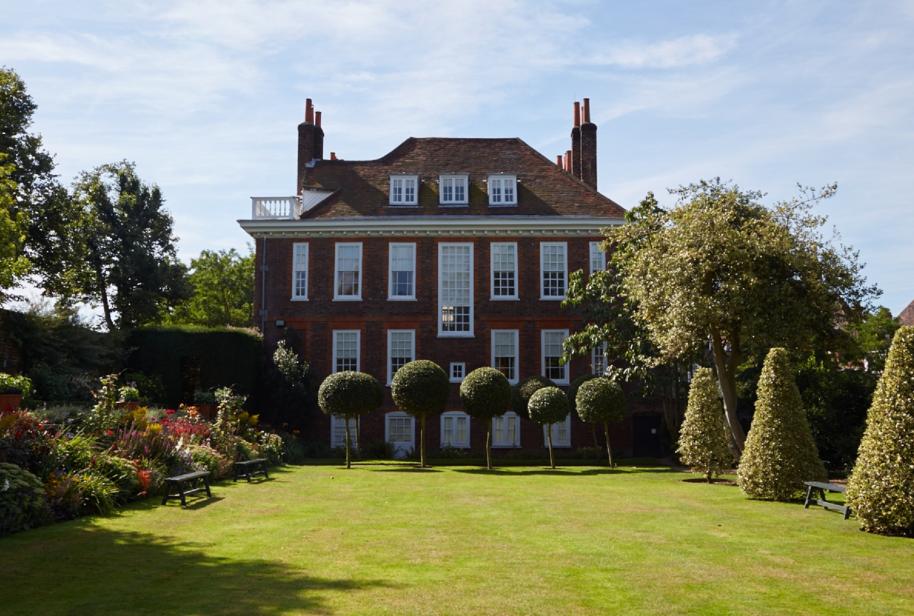

Perched on the verdant heights of Hampstead in North London, Fenton House stands as a timeless testament to the elegance and charm of Georgian architecture. Built around 1686 by William Eades, the son of a bricklayer, this house is a relic of a bygone era, offering a serene escape from the bustle of modern city life. The house's rich history is deeply entwined with the cultural tapestry of London, from its origins in the late 17th century to its bequest to the National Trust by Katherine Salting in 1952. Each brick and beam tells a tale of the past, inviting visitors to step into a world of history and heritage.

The architecture of Fenton House is a beautiful reflection of its Georgian roots. Distinguished by its red-brick façade, the house features classic sash windows, which allow ample light to illuminate its interiors. Inside, visitors can explore a treasure trove of art and antique collections, including fine 17th-century needlework, exquisite porcelain, and an impressive array of early keyboard instruments. The latter, a particular passion of Lady Binning, a former owner, includes rare harpsichords and clavichords that occasionally fill the house with the gentle strains of Baroque music during special events.
Beyond the art and architecture, the house is also a gateway to discovering the local culture and traditions of Hampstead. Known for its artistic and literary heritage, Hampstead has long been a haven for creatives. Fenton House, with its tranquil gardens and period charm, echoes the area's rich cultural milieu. Visitors may find themselves stepping into a living tableau, as the house often serves as a venue for local cultural events, including intimate concerts and seasonal festivals, which celebrate the area's vibrant artistic spirit.

While Fenton House itself doesn't offer gastronomic delights, a visit to this part of London wouldn't be complete without indulging in some traditional English fare in nearby Hampstead Village. Visitors can savor classics such as fish and chips or a hearty Sunday roast at one of the local pubs, or enjoy a traditional afternoon tea at a cozy café. The area is also known for its artisan bakeries and farmers' markets, providing a taste of local flavors that complement the historical and cultural experience.
For those keen on uncovering lesser-known curiosities, Fenton House offers delightful surprises. One such gem is its walled garden, a quintessential English garden that changes with the seasons. Here, visitors can meander through pathways lined with fragrant flowers, explore the flourishing orchard, or relax on the manicured lawns. Keen observers might spot the ancient mulberry tree, a living relic that has witnessed centuries of history. The garden's layout reflects the original 17th-century design, offering a rare glimpse into historical horticulture.
When planning a visit, it's best to come in spring or late summer, when the gardens are in full bloom, providing a colorful backdrop to the house's stately presence. The house is open to the public from Wednesdays to Sundays, with guided tours available for those interested in a deeper dive into its history and collections. To enhance the experience, take time to explore the surrounding Hampstead Heath, a sprawling parkland offering panoramic views of London and further enriching the visit with its natural beauty.
In sum, Fenton House is more than just a historical building; it's a cultural landmark that captures the essence of Georgian elegance and the artistic soul of Hampstead. Whether you're an art aficionado, a history buff, or simply a curious traveler, Fenton House promises a journey through time, art, and nature, curated with a touch of authentic English charm.


