
🎄 Win a month in Italy for two — €10,000 · The Secret Italy Prize GO →
Ferrara | Ideal city — Ferrara
← Back
Historical Sites 📍 Ferrara, Italy 519 views

Ferrara | Ideal city

The historical centre of Ferrara in Emilia-Romagna, included by UNESCO in the World Heritage List in 1995, represents the concrete realization of the humanistic concept of "ideal city", thanks to the ambitious project entrusted by Duke Ercole I d'Este to the court architect Biagi...

Photo · Lorena K.

Ferrara | Ideal city — Ferrara, Italy.

Location
Ferrara
Type
Historical Sites
Opening hours
Weather now
↗ Directions

About Ferrara | Ideal city

Ferrara | Ideal city - Ferrara | Secret World Trip Planner

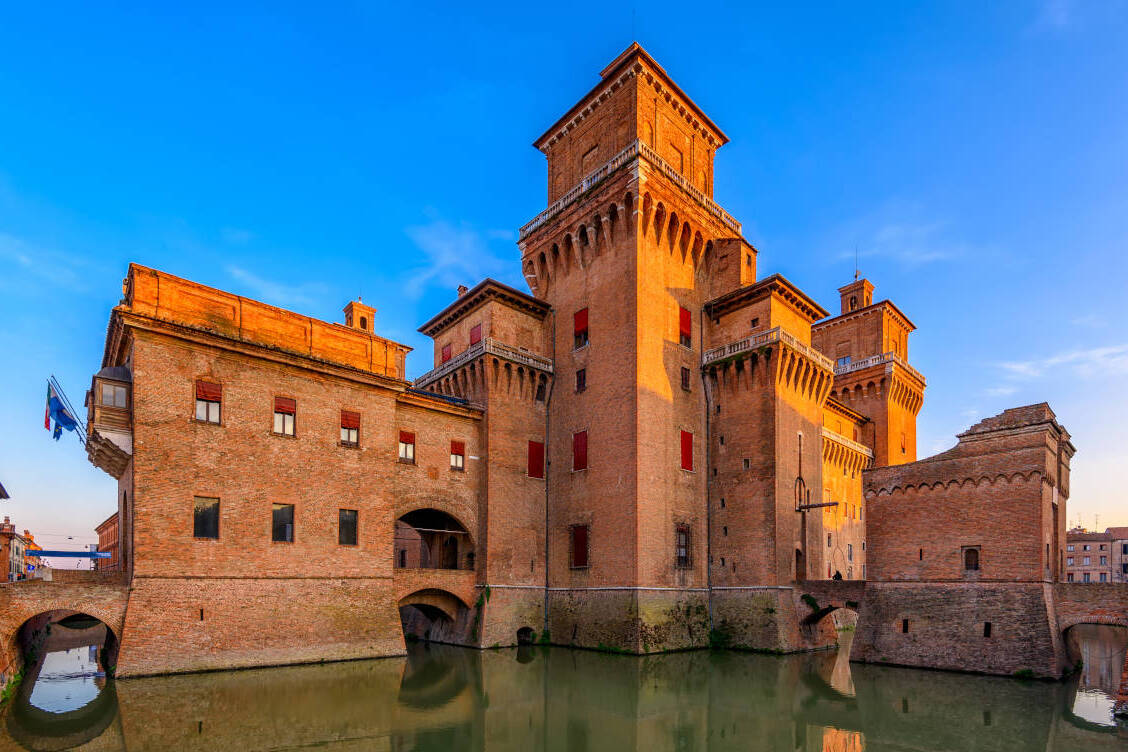
The historical centre of Ferrara in Emilia-Romagna, included by UNESCO in the World Heritage List in 1995, represents the concrete realization of the humanistic concept of "ideal city", thanks to the ambitious project entrusted by Duke Ercole I d'Este to the court architect Biagio Rossetti between the end of the 15th and the beginning of the 16th century. The work, called Addizione Erculea, marked the birth of modern town planning, influencing its subsequent developments. Ferrara is one of the few large Italian cities that was not originally planned on a Roman plan. Rather than starting from a centre, the city develops on a linear axis along the banks of the Po, with longitudinal roads and crossroads.
Ferrara | Ideal city - Ferrara | Secret World Trip Planner

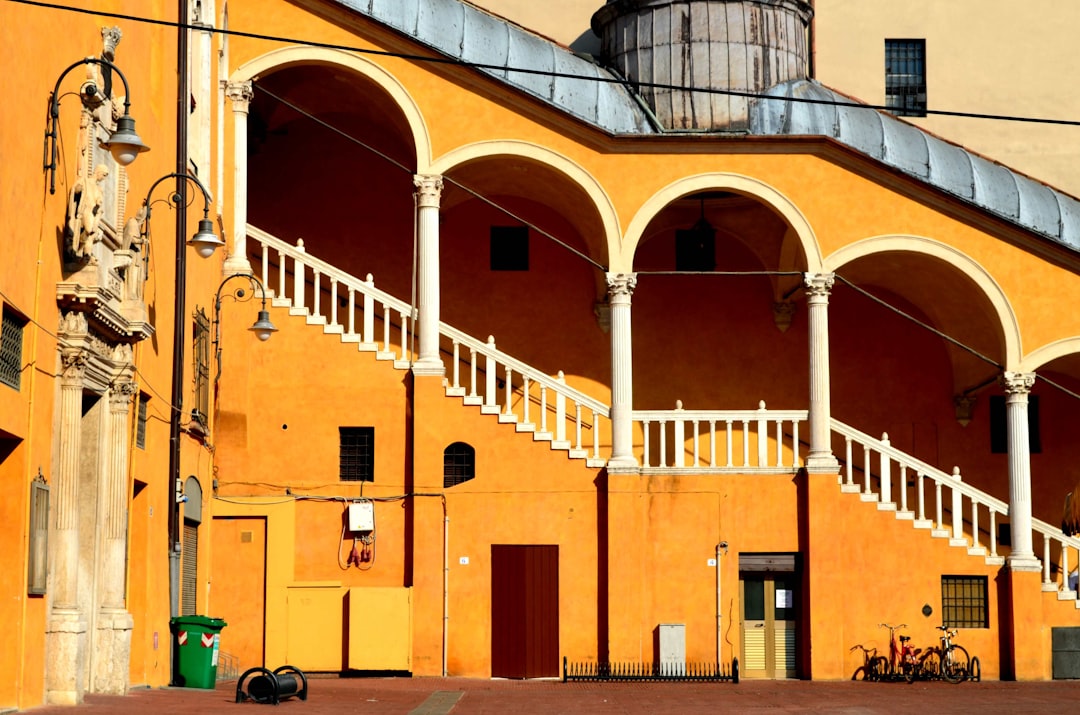
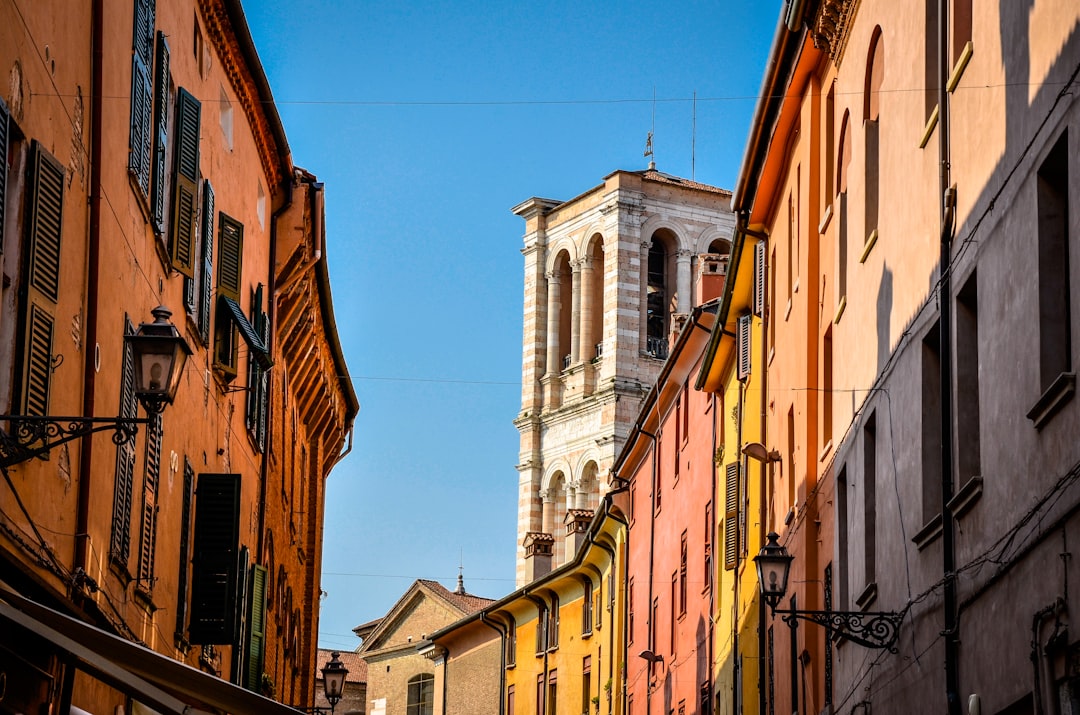
Among the valuable architecture, the Cathedral of San Giorgio, which dates back to the 12th century, is undoubtedly the most important testimony of the Medieval period. Its unusual facade, which was begun in Romanesque style in the lower part and was later completed in Gothic style in the upper part, is in the central nucleus of Piazza della Repubblica, where we find the majestic Castello Estense, a monument that exemplifies the magnificence of the court of the Este family. Built in 1385, the Castle dominates the urban panorama with its towers, crenellated walls and deep moat. Visiting the interiors, such as the ducal apartments, the kitchens and the prisons, means taking a real leap back in time to the Middle Ages and the Renaissance. Joined to the Estense Castle by an internal covered walkway, the Palazzo Municipale dates back to around 1200 and was the ducal residence of the Estensi until the 16th century. Today the seat of the Town Hall, the Palace overlooks the Cathedral square with its characteristic Horse Face, surmounted by the statues of Nicolò III and Borso d'Este. Not far away is Palazzo Schifanoia (currently closed for restoration), commissioned by Alberto V d'Este in 1385 and subsequently enlarged. Today the seat of the Museum of Ancient Art, the Palace houses collections of various kinds, from the 14th century wing to the 'Salone dei Mesi' which contains one of the most important fresco cycles of the 15th century. Also worth a visit is Palazzo Costabili, which legend has it is attributed to Ludovico il Moro, now home to the National Archaeological Museum and Palazzo dei Diamanti, built by Sigismondo d'Este, with its rusticated façade in white and pink marble and the National Picture Gallery inside.
Ferrara | Ideal city - Ferrara | Secret World Trip Planner
✦ Secret World · suggested day

A perfect day in Ferrara

Start with Ferrara | Ideal city, then continue with nearby places selected by Secret World.

  1. 01
    Morning
    Ferrara | Ideal city
    📍 Ferrara
    Start here
  2. 02
    Afternoon
    📍 0 km away
  3. 03
    Evening
    📍 0.4 km away

Collect this place

Turn places you discover into stamps in your Secret Passport.

Open Secret Passport →

Keep exploring · Ferrara

Frequently Asked Questions

Ferrara's historical centre was recognized by UNESCO in 1995 because it represents the concrete realization of the humanistic concept of the 'ideal city,' designed by architect Biagio Rossetti for Duke Ercole I d'Este between the late 15th and early 16th centuries. This ambitious urban project, called Addizione Erculea, marked the birth of modern town planning and influenced subsequent city development across Europe.
The two most important monuments in Piazza della Repubblica are the Cathedral of San Giorgio, dating back to the 12th century with its distinctive split Romanesque-Gothic facade, and the magnificent Castello Estense built in 1385, which features impressive towers, crenellated walls, and a deep moat. Both buildings exemplify Ferrara's medieval and Renaissance heritage and dominate the urban landscape.
Yes, visitors can explore the Castello Estense's interiors, which include the ducal apartments, historic kitchens, and medieval prisons—offering an authentic leap back in time to the Middle Ages and Renaissance periods. The castle is directly connected to the Palazzo Municipale via an internal covered walkway, allowing for seamless exploration of the city's most important historical buildings.
Unlike most large Italian cities, Ferrara was not originally planned on a Roman grid pattern; instead, it develops along a linear axis following the banks of the Po River, with longitudinal roads and crossroads. This unique layout was established during the Renaissance urban planning project and represents one of the first modern town planning concepts in Europe.
The Castello Estense, Palazzo Municipale (the former ducal residence until the 16th century), and Palazzo Schifanoia (commissioned by Alberto V d'Este in 1385) are all key monuments connected to the Este family's rule. These buildings showcase the magnificence and power of the Este court and remain central to understanding Ferrara's Renaissance splendor.

Experiences nearby · Ferrara

Powered by Viator

See more on Viator.com

Secret World @php $__al = $lang ?? app()->getLocale(); @endphp @if($__al === 'ko')숨겨진 명소, 진짜 이야기 — 여행을 계획하세요 @elseif($__al === 'ja')隠れた名所とリアルな物語 — 旅を計画しよう @elseHidden places, real stories — plan your trip@endif
@if($__al === 'ko')무료 앱 시작하기@elseif($__al === 'ja')無料アプリを入手@else Get the app @endif
