
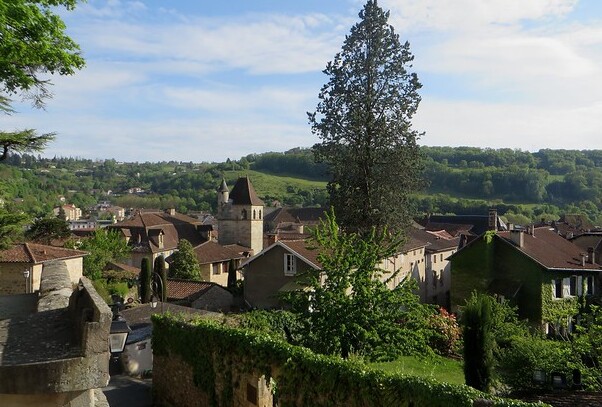

Nestled in the heart of the Lot department in southwestern France, Figeac is a hidden gem that whispers tales of its rich medieval past. With its cobblestone streets and charming squares, this quaint town offers a captivating glimpse into life during the Middle Ages, making it one of the best unknown destinations in Europe.
History and Origins
Figeac traces its roots back to the Roman era, originally known as Ficatum, which translates to "fig tree." The town flourished during the 12th century, becoming a vital trade hub due to its strategic location along the Dordogne River. One of the most pivotal moments in its history occurred in 1816, when Jean-François Champollion, the famed decipherer of Egyptian hieroglyphs, was born here. His legacy is deeply woven into Figeac’s identity, as the town celebrates its historical significance through various cultural institutions.
The medieval architecture, including the Saint-Sauveur Church, built between the 13th and 15th centuries, reflects the town's prosperous past. The church's stunning Gothic details and imposing bell tower serve as a reminder of Figeac's historical importance and artistic achievements.
Art and Architecture
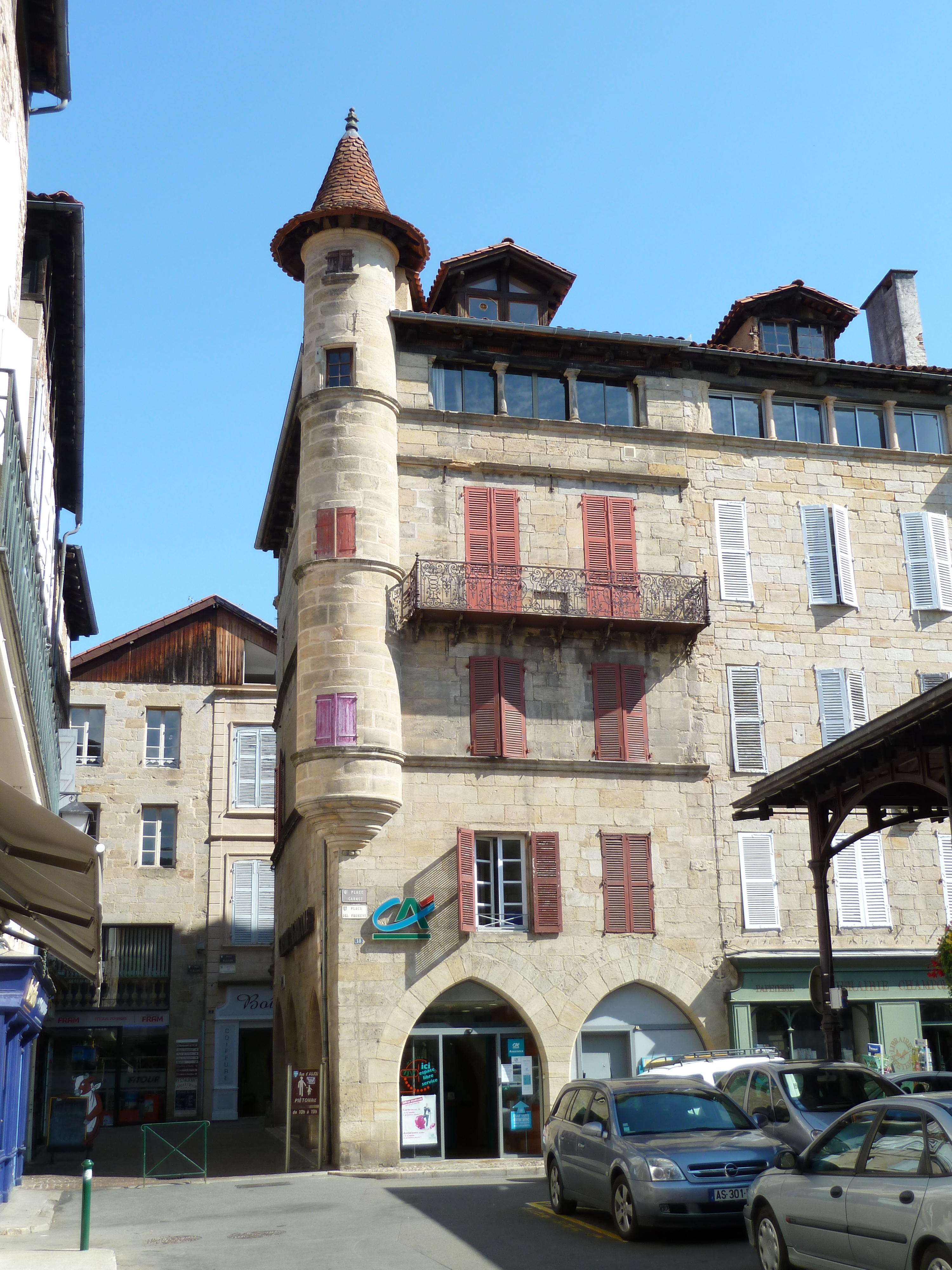
Strolling through Figeac's old town is like walking through a living museum. The Renaissance and Gothic architectural styles dominate the landscape, with intricately carved facades and timber-framed buildings lining the narrow streets. The Ecritures (Writings) Square is a must-visit, showcasing the impressive contemporary artwork by Joseph Kosuth. His monumental black granite piece, a modern interpretation of the Rosetta Stone, highlights the connection between language and culture, inviting visitors to reflect on the evolution of communication.
Additionally, the Monnaie Mansion, with its medieval charm, houses the Old Figeac Museum. Here, visitors can immerse themselves in the town's history through its extensive collections of minerals and ancient coins, offering a tangible link to the past.
Local Culture and Traditions
Figeac is not just a feast for the eyes; it’s a hub of vibrant local culture. The town celebrates various festivals throughout the year, with Figeac en Fête being a highlight. This annual event, usually held in late summer, showcases local music, dance, and gastronomy, bringing the community together in a joyful celebration of its heritage.
Visitors may also notice the tradition of Joutes Nautiques, a unique water jousting competition held on the Célé River. This thrilling event, steeped in history, draws both locals and tourists, showcasing the town's deep-rooted customs and fostering a sense of community.
Gastronomy
The culinary landscape of Figeac is as rich as its history. The region is known for its foie gras, truffles, and walnuts, which play a pivotal role in local cuisine. A visit to one of the charming bistros or restaurants will reveal traditional dishes such as Confit de Canard (duck confit) and Aligot, a creamy blend of mashed potatoes and cheese that’s a regional favorite.
Pair your meal with a glass of Cahors wine, known for its deep color and bold flavors, which perfectly complements the local fare. Don’t forget to try the sweet, flaky Tarte aux Noix, a walnut tart that encapsulates the essence of the region's gastronomy.
Lesser-Known Curiosities
Figeac is full of surprises that most visitors overlook. For instance, the town is home to the Champollion Museum, which not only celebrates Jean-François Champollion's legacy but also features a remarkable collection of writing systems from around the world. This unique focus on the art of writing is something that sets Figeac apart from other French towns.
Another hidden gem is the Puy de Bousquet, a viewpoint near the Notre-Dame-du-Puy Church. Here, you can enjoy breathtaking panoramic views of the medieval town and the surrounding countryside, making it a perfect spot for capturing memorable photographs.
Practical Visitor Information
The best time to visit Figeac is during the spring and fall months when the weather is mild and the crowds are fewer. Late April through June or September to October are ideal for enjoying outdoor activities and exploring the town at a leisurely pace.
When planning your trip, be sure to wear comfortable shoes, as the cobbled streets can be uneven. A visit to the local tourist office can provide valuable information on guided tours, local events, and recommendations for dining and shopping.
As you wander through Figeac's enchanting streets, take a moment to appreciate the rich tapestry of history, art, and culture that defines this hidden treasure. For a personalized itinerary that captures the essence of Figeac, consider using the Secret World app to enhance your journey.


